


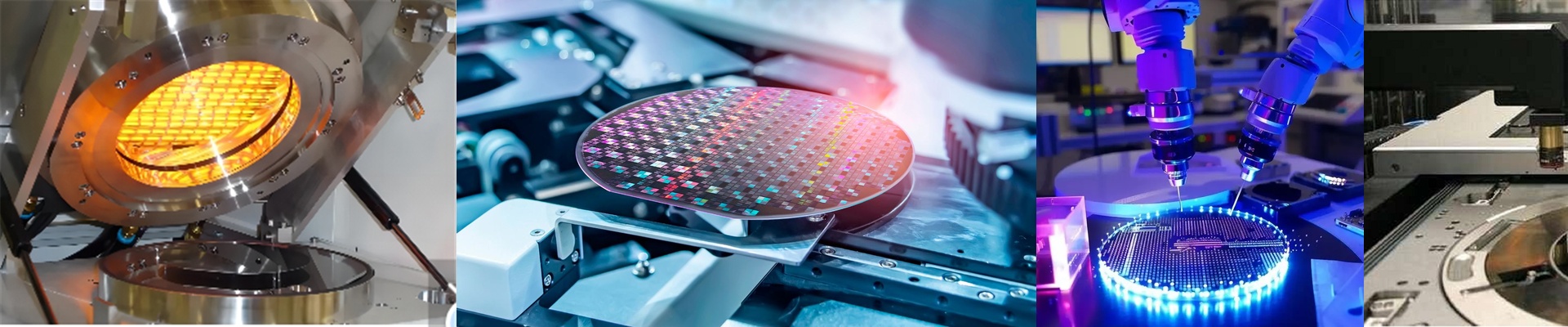
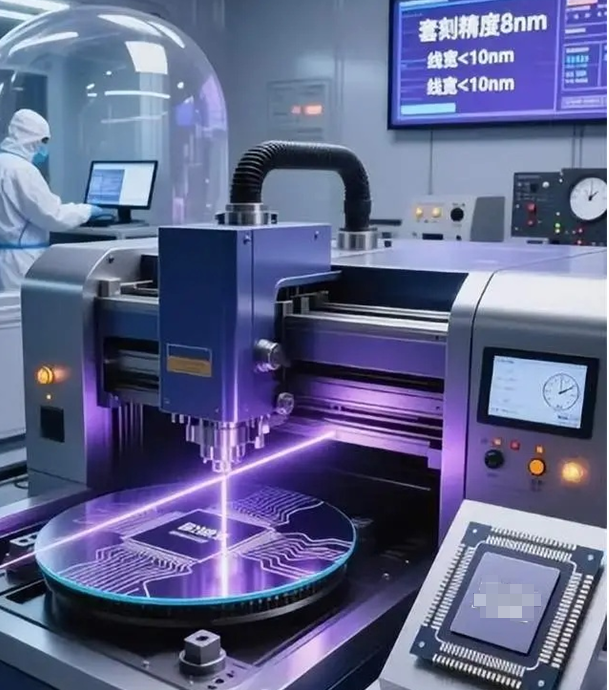
When you’re heating wafers in a chemical cleaning zone, you’re basically playing with fire. You’ve got flammable vapors and corrosive agents hanging in the air. One IR lamp failure or a bit of radiation leaking too close to a volatile solvent, and you’re looking at a flash fire. It’s a nightmare scenario. We handle this by obsessing over two things: how we seal the lamps and exactly how much breathing room they need. The balancing act of heat Getting the distance right is a bit of a tightrope walk. You can’t just guess. If the lamp is too close, you’ll toast your wafers or, worse, ignite the fumes. But if you push it too far back? Your ramp-up time drags, and your throughput tanks. We look at the lamp’s wattage and the chemical’s flash point to find that sweet spot. It’s about making sure the energy hitting the surface stays well below the point where things go boom. Stopping the rot Standard quartz tubes just don’t make the cut here. The environment is too aggressive. Instead, we use sealed, chemically resistant encapsulation. Why? Because that’s where the real trouble starts. Chemical vapors love to eat away at electrodes, which is usually how you end up with a short circuit. We keep the “hot zone” contained and use materials that won’t off-gas or fall apart when the cleaning agents get nasty. The trade-offs Here’s the thing: semiconductor lines need speed, so high-power IR lamps are the go-to. But that heat density comes with a catch. The more power you pump in, the bigger the safety gap has to be to keep the chemical bath from overheating. If you’re cramped for space, you can’t just squeeze a high-wattage lamp in there. Instead, we run more lamps at lower power. It spreads the heat load across the surface and keeps everything in the safe zone. And just for peace of mind? We wire in a failsafe thermal cutoff. If the cooling system decides to quit, the power kills instantly. No drama, no fires.