


A Better Way to Heat Biosensors
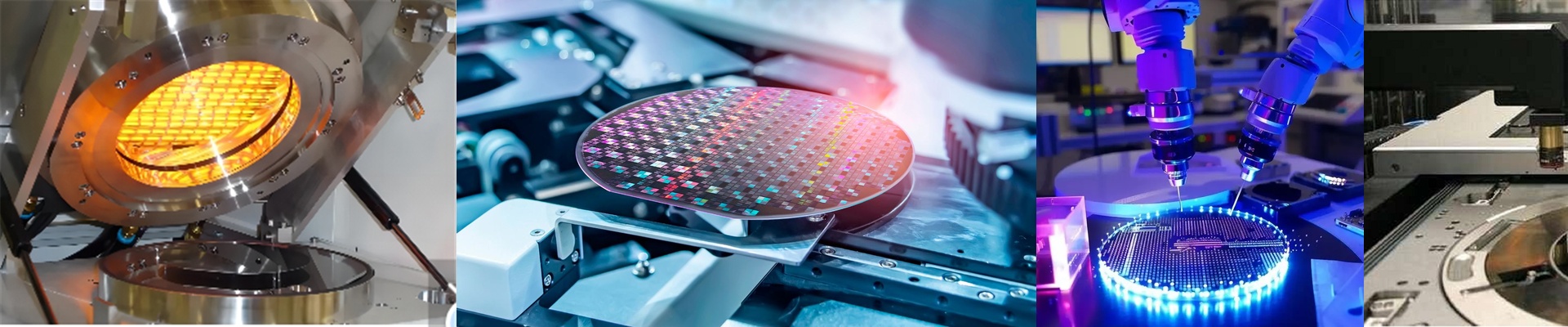
When you’re building biosensors, temperature is everything. You need to cure polymers and activate substrates, but you have to be careful. One wrong move and you’ve fried your sensitive organic layers. That’s why we stopped relying on those clunky convection ovens and switched to shortwave infrared (IR) lamps. Instead of heating up the entire room just to warm up a tiny piece of material, IR goes straight to the source. It hits the material directly. Simple as that.
Speed, Space, and Power
In this kind of fabrication, how fast you can get the heat where it needs to be is the only thing that matters. We’ve tuned these systems to ramp up in seconds. No more sitting around waiting for a forced-air oven to “soak.” It’s fast. Really fast. And that changes your whole workflow. Plus, because the IR arrays pack so much power into a small area, the machines are tiny. You get the same output but you get your floor space back. And since you aren’t leaking heat all over the factory floor, your energy bill actually stays reasonable.
Getting the Wavelength Right
We use quartz-halogen tech because it keeps the light output steady. Here’s the trick: the wavelength has to match the specific bio-ink or substrate you’re using. If it’s off, you’ll end up with a surface that’s overheating while the base is still raw and uncured. It’s a frustrating mistake, but it’s easy to avoid if you spec the lamps correctly. Now, if you’re trying to run a “Green Factory,” this is a huge win. You’re using way fewer kilowatt-hours per unit. But a word of caution: all that concentrated heat has to go somewhere. You’ve got to get your cooling fans and heat sinks right. If your exhaust can’t keep up, you’ll start seeing thermal drift across your sensor array, and that’s a headache you don’t want.
Cleaning Up the Carbon Footprint
Switching to IR is one of the easiest ways to cut down on carbon. Most of the savings come from cutting out idle power and slashing your cycle times. It basically just drops right into your existing setup. You wire it up to a precision PID controller, set your limits, and you’re done. You stop paying to heat the air and start focusing on the actual product.