
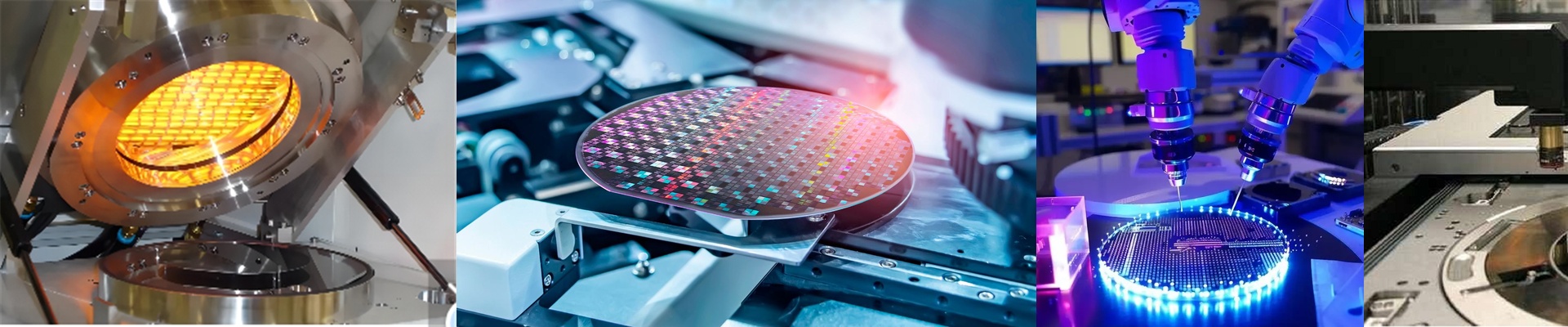
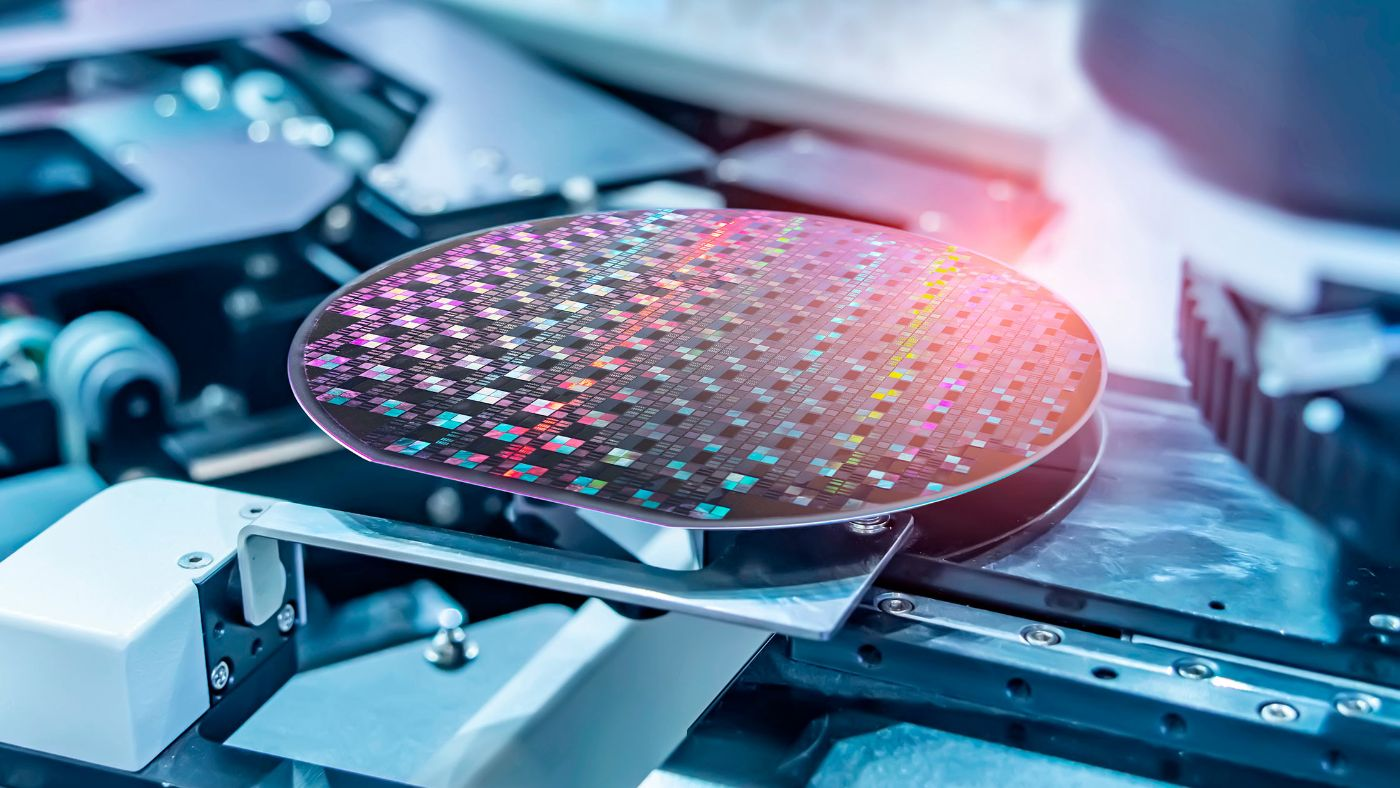
On the wafer floor, microfluidic channels don’t leave room for drift in the photoresist profile. Soft bake drifts by even a degree, and you watch line widths move. Hard bake misses, and residues show up that will clog microchannels later. You need a lamp that treats thermal budget like a real process parameter, not a guess. Here’s what matters under the hood. We built these microfluidic fabrication lamps around SWIR halogen emitters in a quartz envelope. The payoff is fast response and stable spectral output, day after day. Wafer-level uniformity holds at ±0.1°C across the bake zone, so critical dimension control repeats run after run. The system is rated for Class 1–100 cleanroom operation with zero particle generation, backed by in-situ monitoring. Closed-loop control uses calibrated thermocouples, and you get a repeatable recipe library for both soft bake and hard bake steps. Why this lands for microfluidics: the lithography has to survive multiple wet and dry cycles without pattern collapse. Our lamp hits the precise temperature profile the photoresist needs—from pulling out the initial solvent to the final crosslinking—without overshoot that causes reflow or underflow that leaves the resist under-cured. The result is fewer rework lots, stable yields, and cycle times you can plan around. Energy use comes down through fast ramp-up and low standby losses, which lowers operating cost per wafer. A few field details you’ll want nailed before you roll it out. Installation means matching the lamp footprint to the track hotplate and confirming connector compatibility—typically 24 V DC for tool integration. SWIR lamps run hot at the surface, so thermal shielding and interlocks are non-negotiable. Plan calibration every 5,000 hours; we see less than 5% output drop over that interval, but the optics and sensor alignment still need periodic checks to keep that ±0.1°C uniformity locked in.