
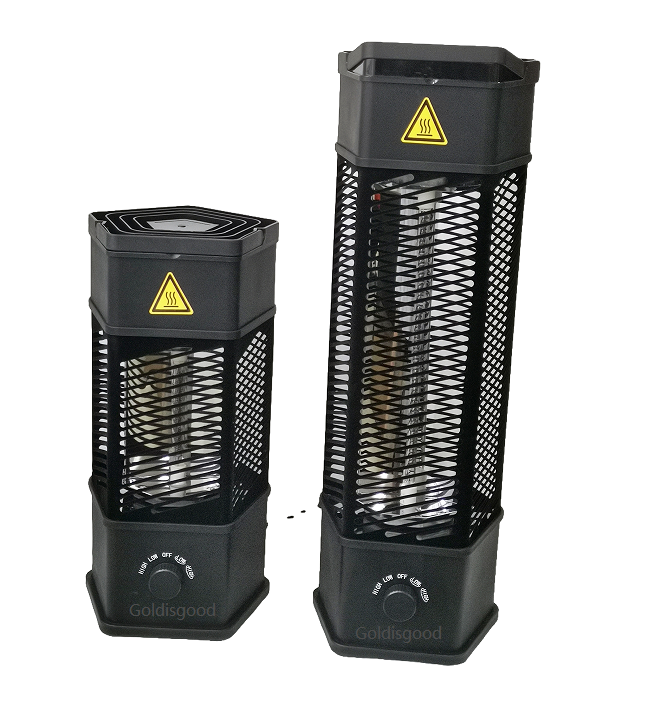
OEM Electric Heater Factory Guide: How to Match Infrared Power to Your Room
We build OEM infrared heaters for industrial and commercial jobs, and there’s one question we hear constantly: How much power do you really need? It’s not a guess. It comes down to two things you can actually measure: how your room faces and how well it’s insulated.
Power, Voltage, and Size—What Actually Matters
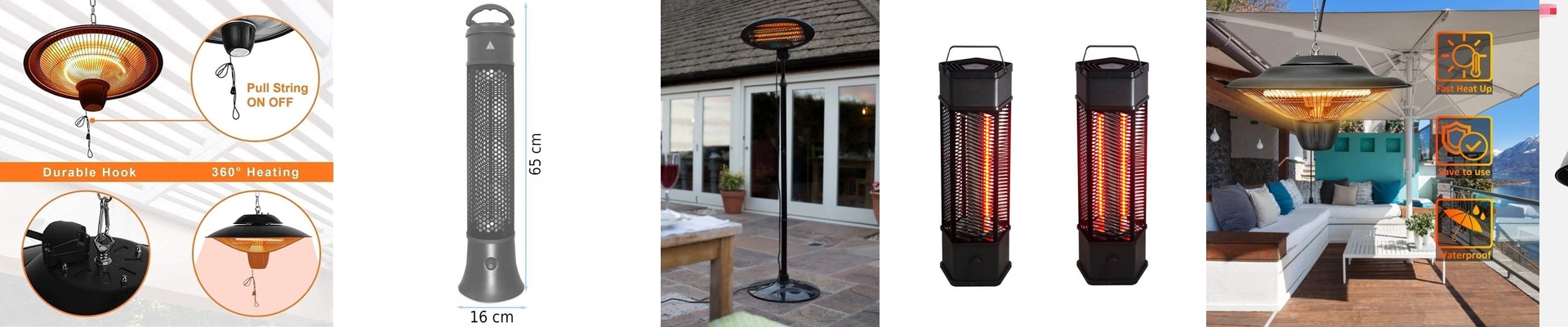
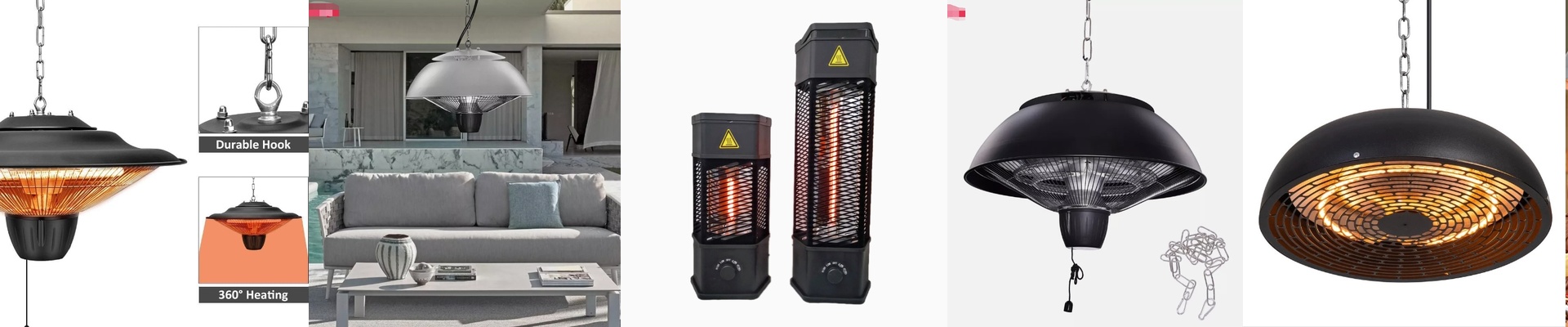
Infrared heaters warm by radiation, so the heat output is directly tied to the electrical input. A 2500W unit gives you a strong, steady push of warmth. A 1500W unit gives you less. Voltage is about how you wire it. A 400V heater runs on three-phase power, which spreads the load across phases. That keeps the current per leg lower, cuts voltage drop on long runs, and lets you use smaller wiring. Then there’s tube length—usually 300mm or longer. It sets the surface area that radiates the heat. A shorter tube concentrates the heat. A longer tube spreads it out for broader coverage.
The Build: Halogen, Coating, and Connectors
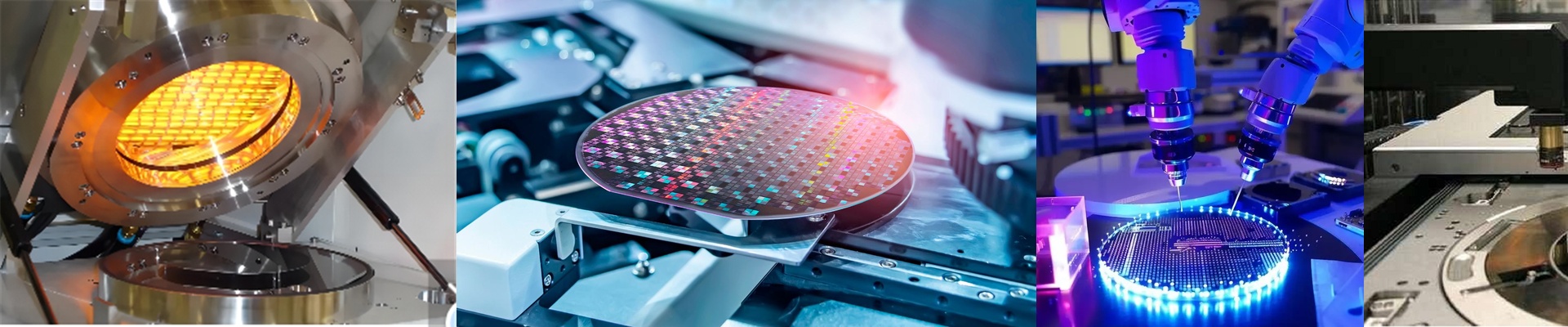
We use quartz tubes with halogen elements because they handle rapid temperature swings without blinking, and they keep output stable. The reflector coating is a thin, highly reflective film that pushes more infrared energy forward. That means more usable heat for every watt. For connectors, we choose options like R7s or SK15 because they’re built for high temperatures and hold a solid connection. They keep alignment true and prevent arcing, even when the heater is mounted in tight spaces with vibration. The lamp stays reliable, even when the machinery is on the move.
Making It Work in Real Spaces
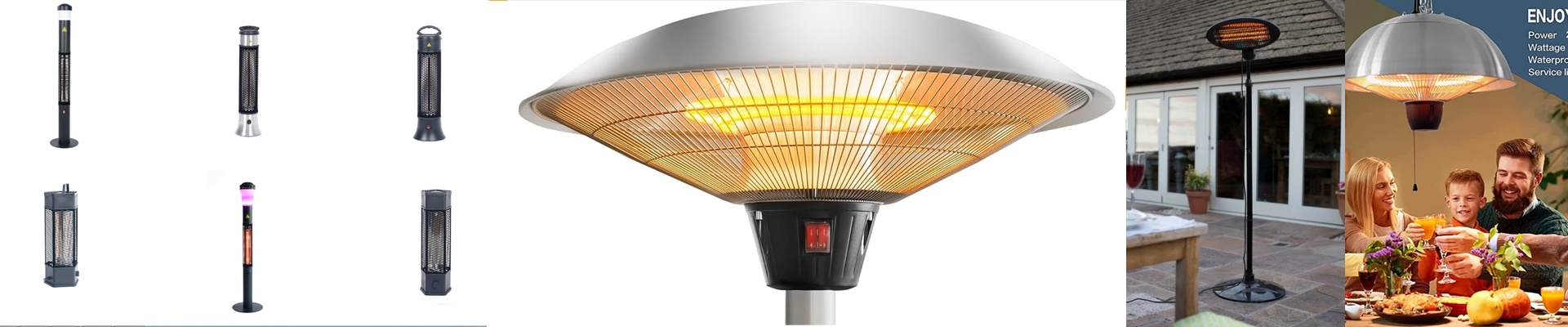
Matching power to room orientation means thinking about heat loss—especially on north-facing walls and in areas with heavy airflow. And insulation rating tells you the baseline heat loss. From there, you can scale up or down without overshooting. The payoff is a drop-in heater that fits the footprint, wires cleanly, and runs within the thermal limits of the equipment around it. Just keep one trade-off in mind: higher watt density heats up faster, but it needs better cooling and more clearance. When you match the lamp to the room, the system runs the way it should—predictable, steady, and ready.