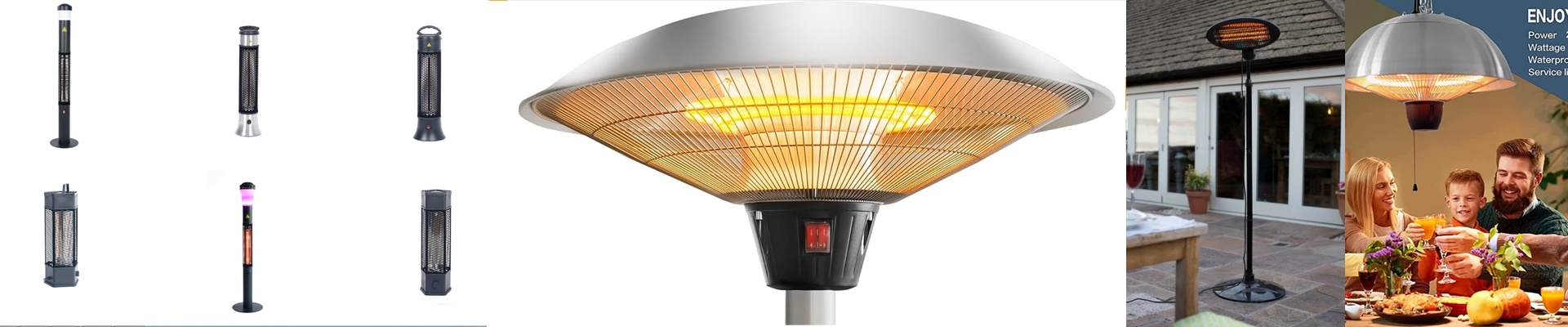
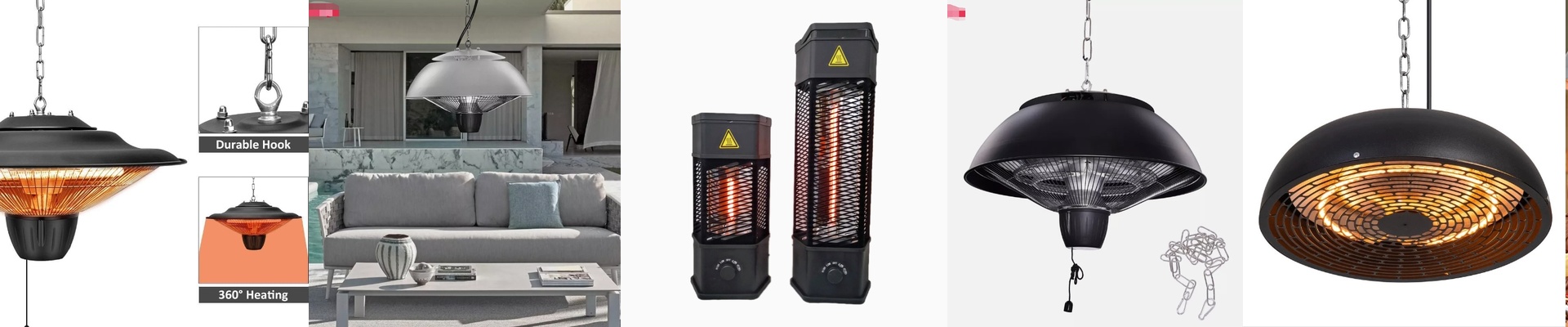
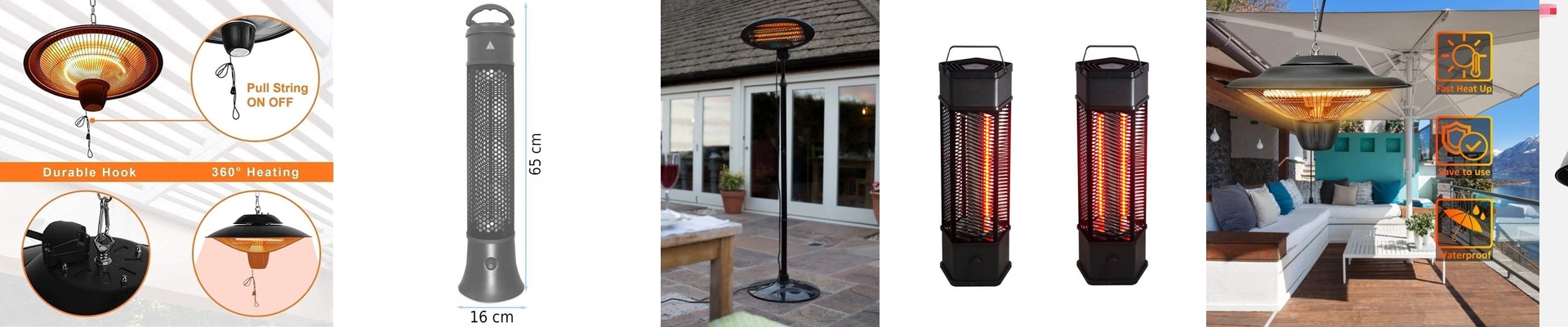

Basements always seem to run colder than the rest of the house, and it’s never just dry cold. It’s that heavy, clammy damp that makes comfort feel like it’s slipping away—and mildew starts acting like it pays rent. A regular space heater can warm the air, sure, but it doesn’t do anything about the wetness that makes the chill bite. That’s why a low-power, wall-mounted infrared heater with a PTC ceramic core makes sense: you get targeted warmth that also helps cut through that clammy feeling.
What matters under the hood
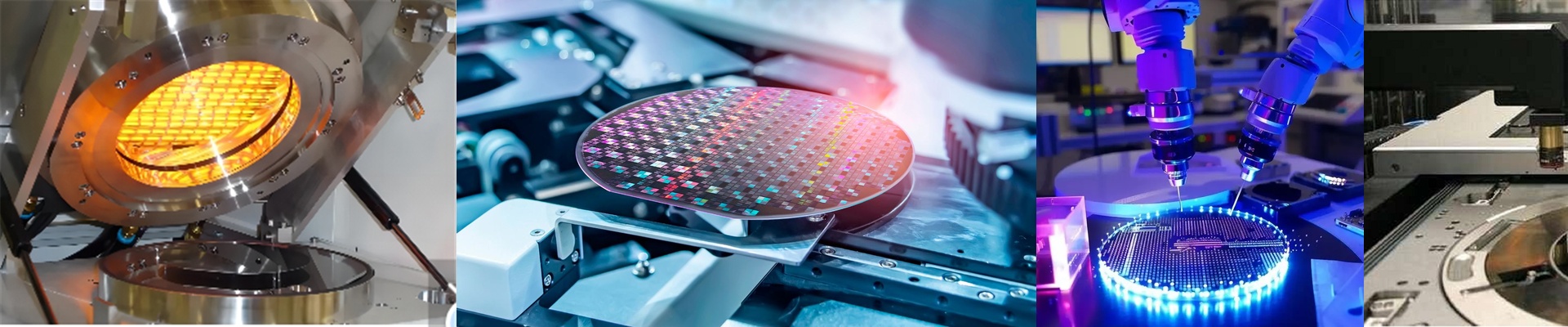
We built this around a positive temperature coefficient (PTC) ceramic element. Once it’s energized, the ceramic heats up fast and then self-regulates, which helps prevent runaway temps and keeps output steady. The payoff is infrared warmth that radiates outward, heating people and nearby surfaces directly—instead of just moving air around. It runs on standard 120V and draws low current, so you’re not asking an older basement circuit to do more than it can. A built-in thermostat holds the temperature where you want it, and the compact profile is meant for wall mounting, so you keep floor space clear.
Why this fits a basement
Down in a basement, comfort comes down to temperature and humidity, not one or the other. Radiant heat from a PTC ceramic heater warms you on contact, so you feel cozy even when the air is cooler. Because the heat is focused, you can keep the overall temperature lower and still feel warm. That helps conditions stay more consistent and reduces that damp, chilly vibe that pushes condensation. The wall-mount keeps the unit up and out of the way, and the low power draw means you can run it longer without sweating the energy use.
Practical stuff to get right
For the best coverage, mount the heater on a wall where it can radiate across the main seating or work area, and keep it clear of obstructions. Depending on the model, it’s designed to be hardwired or plugged into a grounded outlet—just make sure the circuit can handle the load. The PTC self-regulating design improves safety, but the heater still needs airflow around it. In a very humid basement, pairing the unit with a dehumidifier will give you the biggest jump in comfort.
지하실은 항상 집의 다른 공간보다 온도가 낮게 느껴지며, 단순한 건조한 차가움만 있는 것이 아니다. 습기 찬 불쾌한 냉기가 쾌적함을 저해하고, 곰팡이가 마치 임대료를 내는 것처럼 발생한다. 일반 공간 히터는 공기를 데우는 데는 효과적이지만, 습기로 인한 서늘함을 해소하지는 못한다. 따라서 저전력, 벽걸이형 적외선 히터에 PTC 세라믹 코어를 적용한 제품이 합리적이다. 특정 부위에 열을 집중시켜 습기 찬 불쾌감을 완화하는 데 도움을 주기 때문이다.
핵심 기술 요소
본 제품은 양성 온도 계수(POSITIVE TEMPERATURE COEFFICIENT, PTC) 세라믹 요소를 중심으로 설계되었다. 전원이 인가되면 세라믹은 빠르게 가열되고 이후 자체 온도 조절 기능으로 과열을 방지하며 출력이 안정적으로 유지된다. 결과적으로 적외선 열이 직접 인체와 주변 표면에 전달되어 공기만 순환시키는 방식과 달리 효율적인 난방이 가능하다. 표준 120V 전원을 사용하며 낮은 전류를 소모해, 노후된 지하실 회로에 과부하를 주지 않는다. 내장된 온도 조절기가 설정 온도를 유지하며, 컴팩트한 크기와 벽걸이형 설계로 바닥 공간을 확보할 수 있다.
지하실 환경에 적합한 이유
지하실에서는 쾌적함을 결정하는 요소가 온도와 습도 두 가지 모두임을 인식해야 한다. PTC 세라믹 히터에서 방사되는 복사열은 접촉 시 체온을 직접 따뜻하게 해주어, 공기 온도가 낮더라도 체감 온도를 높인다. 열이 집중 전달되기 때문에 전체 실내 온도를 높일 필요 없이 따뜻함을 느낄 수 있다. 이는 실내 환경의 온습도 변동을 줄이고, 결로를 유발하는 습하고 서늘한 환경을 완화하는 데 기여한다. 벽걸이형은 히터를 공간에서 떨어뜨려 설치할 수 있고, 낮은 전력 소비로 긴 시간 작동해도 에너지 부담이 적다.
설치 및 운용 시 고려사항
최적의 난방 범위를 위해 주요 좌석 공간이나 작업 구역을 향해 벽에 히터를 설치하며, 장애물이 없도록 주의해야 한다. 모델에 따라 직접 배선이 필요하거나 접지된 콘센트에 플러그식으로 연결할 수 있으니, 회로 용량이 해당 부하를 견딜 수 있는지 확인해야 한다. PTC의 자체 온도 조절 기능으로 안전성이 향상되었으나, 히터 주변으로 충분한 공기 흐름이 유지되어야 한다. 습도가 매우 높은 지하실에서는 제습기와 병행 사용하면 쾌적성 증대 효과가 크다.