
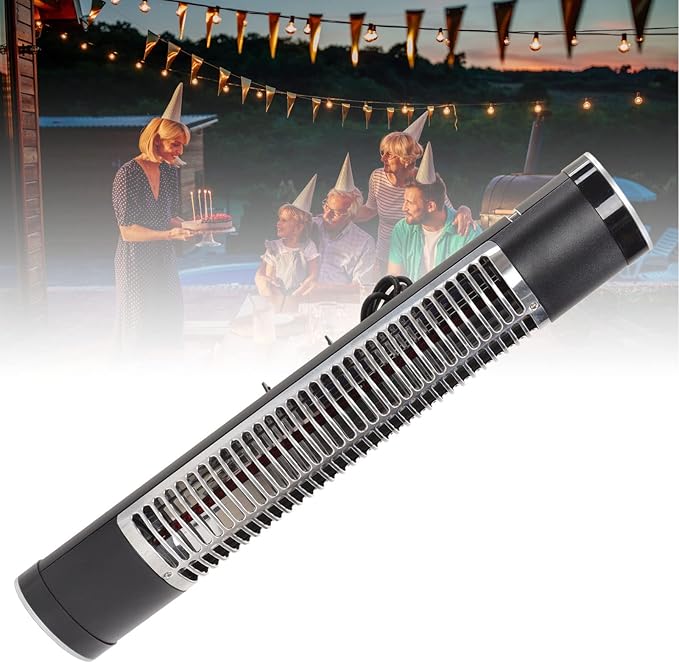
Why Infrared Heats Public Buildings Better
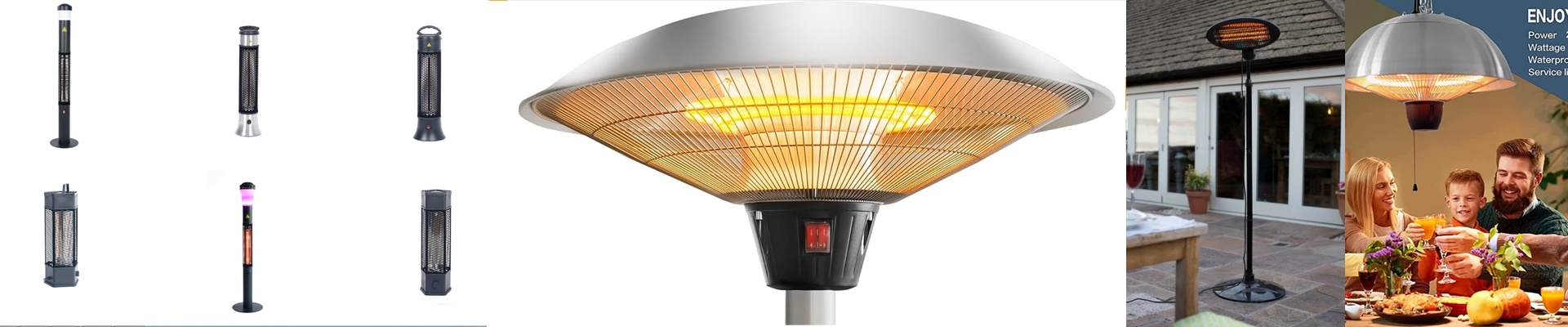
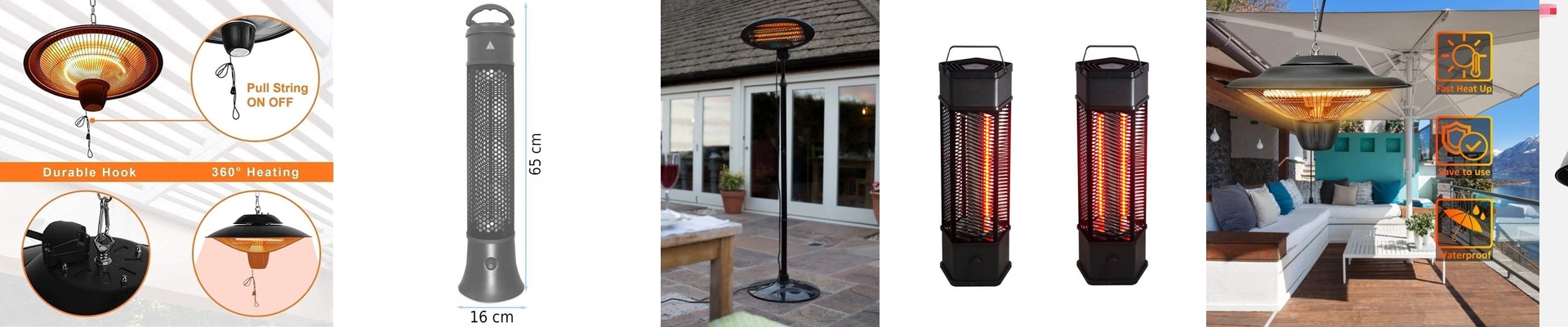
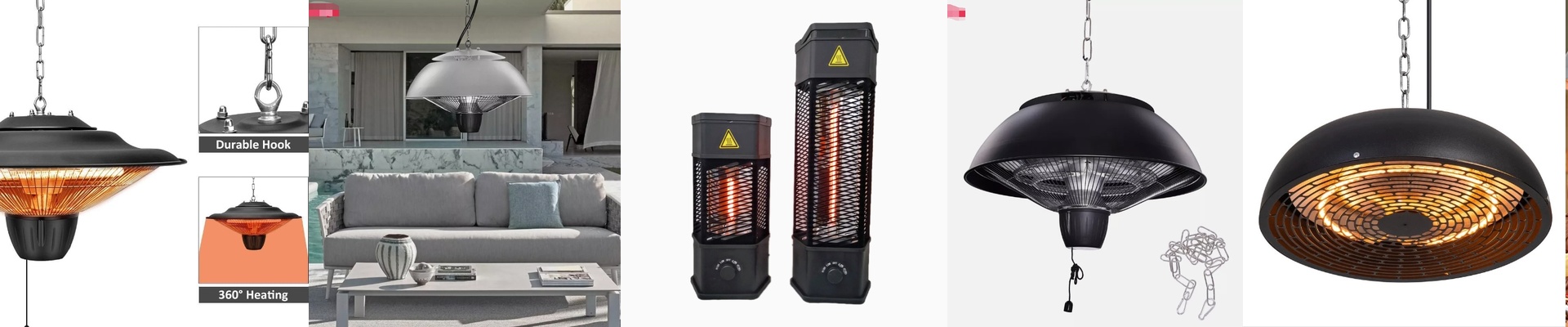
Let’s talk about a problem that’s been quietly draining municipal budgets for years. Those big public buildings—bus depots, fire stations, community centers—they have a heating nightmare. Think about it: soaring ceilings, doors constantly swinging open, and acres of open space. Traditional forced-air systems just throw money away. You’re basically heating the air, not the people or the equipment that actually needs warmth. So, we built a better way. Our energy-saving infrared heaters were designed to tackle this head-on. Here’s the idea, and it’s beautifully simple. Infrared heat works just like the sun. It sends energy directly to objects and people, completely bypassing the air. That means you’re only heating the exact spots that need it, right when they need it. For a municipal budget, that translates to a serious drop in kWh consumption.
The Specs Behind the Savings
These heaters are built for the real world. They’re tough, designed for heavy-duty, commercial use. We focused on a power architecture that delivers a high watt-density output from a compact unit. The beauty of this is you get targeted heat without having to overhaul the entire electrical system. The system runs on a solid voltage setup, so it stays stable even when demand spikes. And the unit’s shape isn’t just for looks—it’s engineered to maximize surface area and the radiation angle. This ensures the heat spreads evenly, so you don’t get those annoying cold spots. But here’s the thing about concentrated power: it runs hot. That means your building’s wiring and switchgear need to be up to the task. They have to handle the high, instant-on current without tripping breakers. It’s a small trade-off for the performance you get.
Inside the Core: Halogen and the R7s Connector
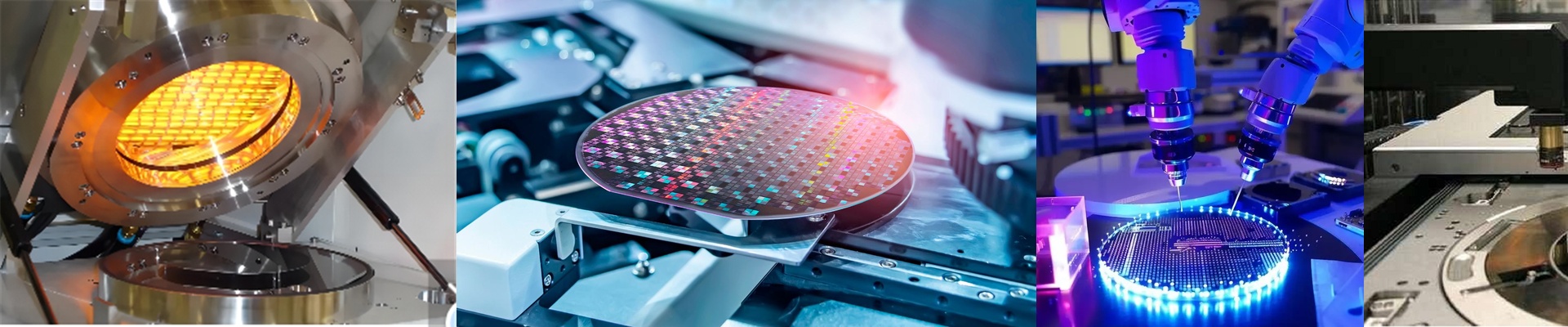
Pop open the unit, and you’ll find the heart of the system: a halogen-filled quartz tube. The magic is in the halogen cycle. It works with the tungsten filament, chemically reacting to redeposit any evaporated material back onto the filament. This process not only keeps the heat output consistent over thousands of hours but also extends the lamp’s life. For the electrical connection, we use an R7s connector. It’s a standard, industrial-grade, two-pin ceramic base. It’s built to handle high heat and locks in securely, resisting vibration. For your maintenance crew, that means one thing: a simple, drop-in replacement. No messing around with complicated wiring.
Real-World Savings for Municipal Buildings
This setup is a game-changer for places like bus depots, fire stations, and community centers. You stop wasting energy on empty space and start putting heat exactly where it matters—at workstations, entryways, and loading docks. This focused approach means your main heating plant doesn’t have to run nearly as much. Less runtime means less fuel and less wear and tear on boilers or heat pumps. The result is a clear, measurable reduction in the annual heating budget. And because the heaters are built to take a beating in high-traffic areas, you get reliability without the constant service calls. This isn’t some pie-in-the-sky upgrade. It’s a practical, engineering-focused decision to stop heating air and start heating the space. For municipal engineers, it’s the difference between a fixed, uncontrollable cost and a variable you can actually manage.
The Reality Check: You’ve Got to Plan for the Heat
Let’s be real for a second. A 400V 2500W infrared tube packs a massive punch. That’s the trade-off. Your building’s ventilation system, or the cooling for nearby equipment, has to be properly sized to handle the extra ambient heat. If it’s not, you risk overheating things that shouldn’t get hot. Always make sure your cooling and ventilation can handle the heat load. It’s a crucial step.