
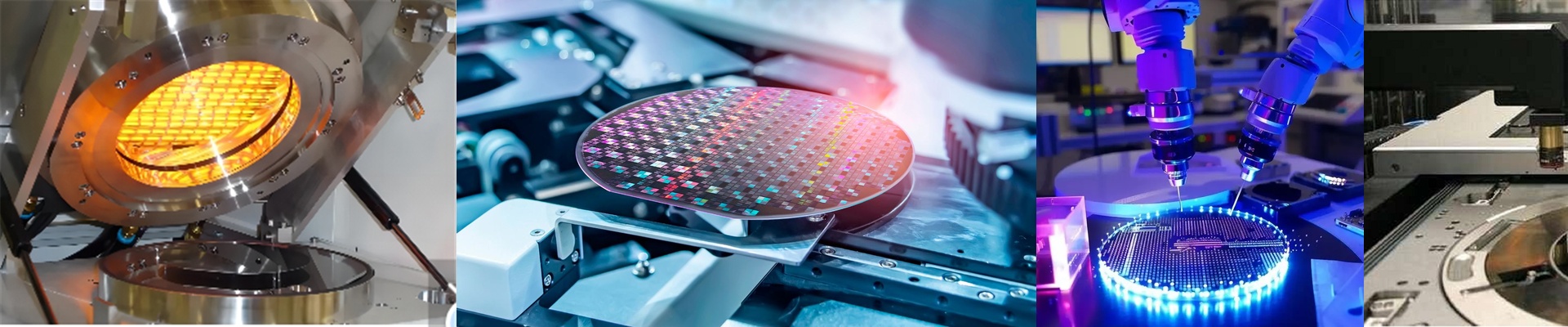
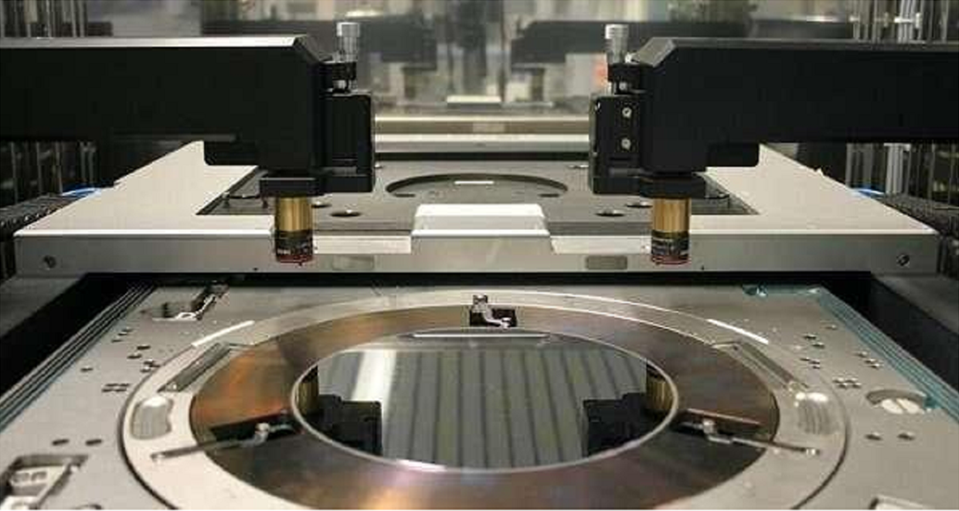
Out on the fab floor, you know how it goes. A photoresist bake that drifts even 0.2°C will print a linewidth you can’t fix. In the assembly shops that run 24/7, temperature uniformity isn’t a nice-to-have. It’s the thermal budget that keeps yield alive. What we design for, every time We build fab and assembly heaters around three absolutes: uniformity, cleanliness, and repeatability. Across the heated zone, we hold ±0.1°C uniformity, so every wafer—and every carrier—gets the same thermal profile. The heater body is compatible with cleanroom Class 1–100, and the hot zone is engineered to generate zero particles: no outgassing, no flaking, no contamination risk to photoresist or bond surfaces. Ramp and soak are repeatable cycle after cycle, which keeps critical parameters like soft bake and hard bake inside spec. Here’s why that matters in wafer processing: consistent bake temperature keeps photoresist flow and adhesion stable, and that cuts defects that show up later in lithography. In packaging and assembly, stable thermal delivery shortens cure without overshoot, trims rework, and lowers scrap. The payoff is fewer excursions, predictable cycle times, and less wasted energy from overcompensation. A few practical notes. These heaters drop into existing fab tooling, but you have to match thermal mass and chamber airflow to the process. Plan for cleanroom-rated electrical routing, and make sure you have clearance for maintenance access. Peak performance comes from stable ambient conditions and getting sensor placement right.