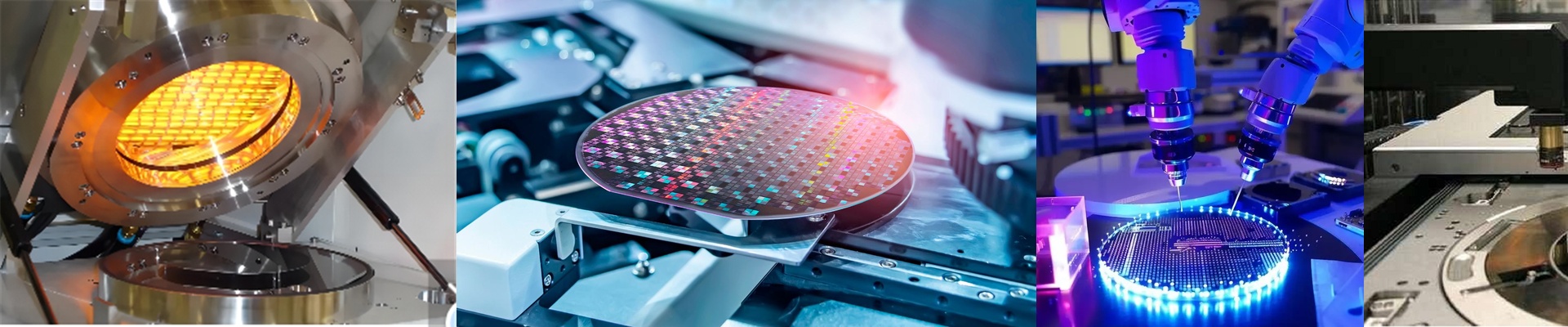
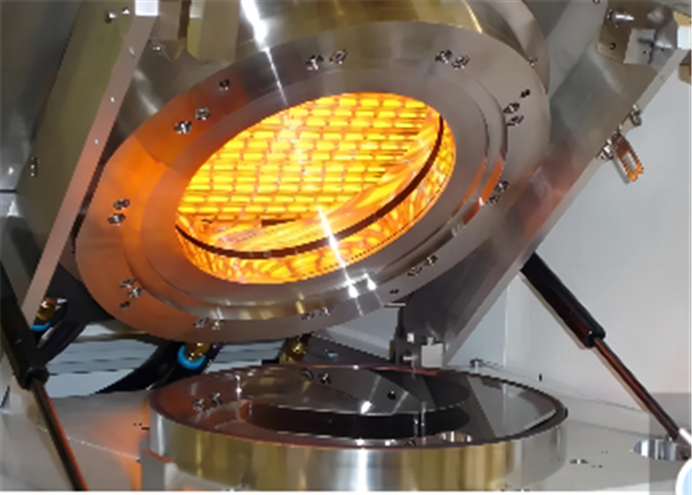
On the lithography floor, the polyimide bake is where the dimensional fate of fine metal lines gets sealed. A 5°C drift across the wafer can shift critical dimension by nanometers—enough to derail the line. We built our polyimide bake infrared lamps to pull that variability out of the equation.
What matters, technically
We run short-wave infrared emitters tuned to polyimide absorption. The thermal response is fast—sub-second—and we hold wafer-level uniformity within ±0.1°C. The lamp body is cleanroom-compatible for Class 1–100, using low-outgassing materials and a design that doesn’t invite particles, so defect counts stay flat. Photoresist soft bake and hard bake profiles repeat within a few degrees, day after day. Output stability holds within 2% over 5,000+ hours, and the thermal budget stays tightly bounded thanks to closed-loop control.
Why it works in a fab
In high-volume fabs, polyimide bake has to live inside tight thermal windows. These lamps hit setpoint fast, shorten soak time, and cut energy use by 25–35% compared with convection tools. You get quicker cycles without giving up profile control, and you see fewer bake-related excursions that trigger rework. The system drops into existing tracks and coaters, keeping your sequence logic intact while adding real thermal precision.
The practical details
Installation comes down to matching the lamp to the chuck geometry and the emissivity of the wafer backside. Get that wrong and you’ll see edge gradients. The lamp also performs best with clean, dry carriers and a controlled solvent background. Expect a short commissioning window to dial in power density and dwell time for your specific polyimide formulation. Once it’s set, the process window is tight—but it’s repeatable.