
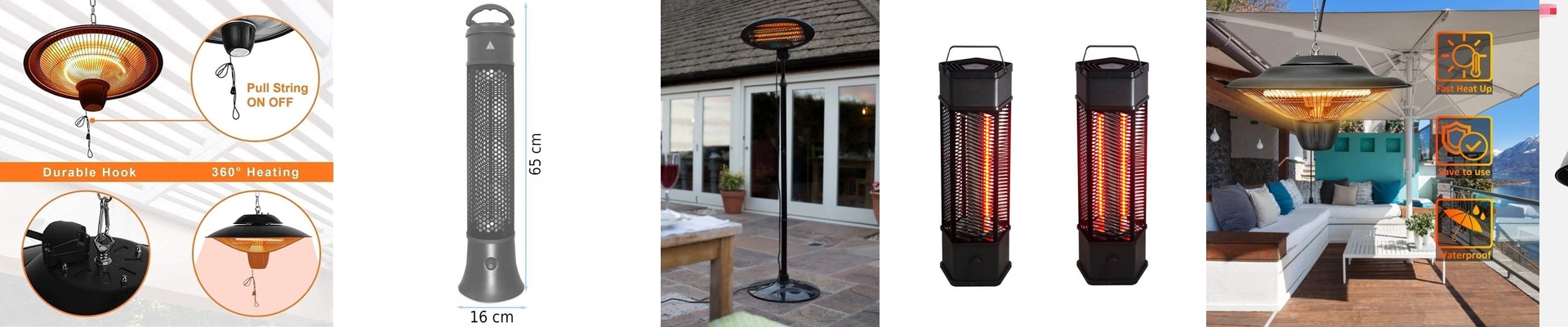
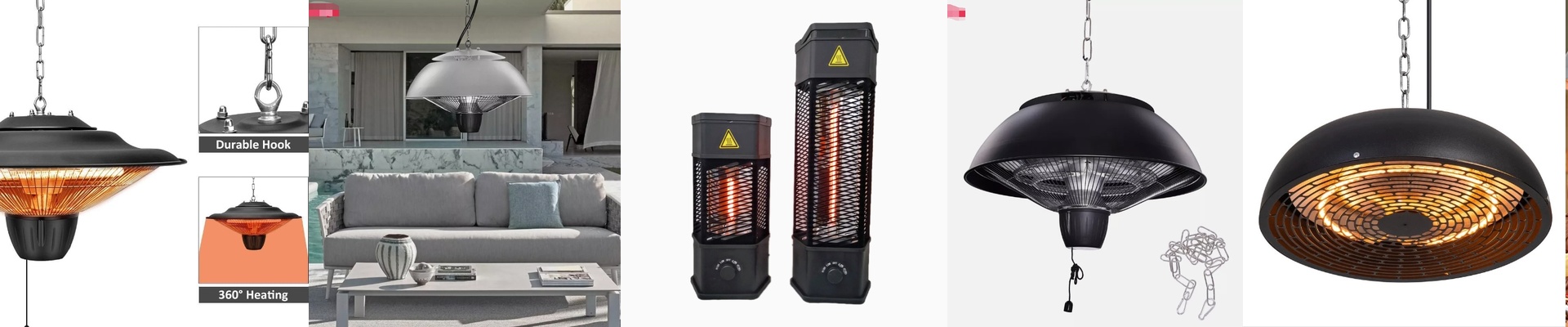
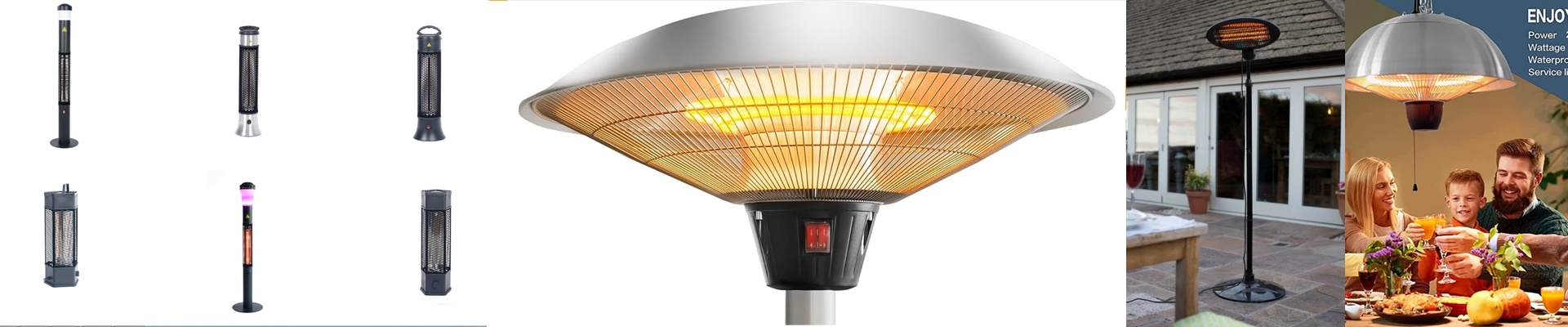

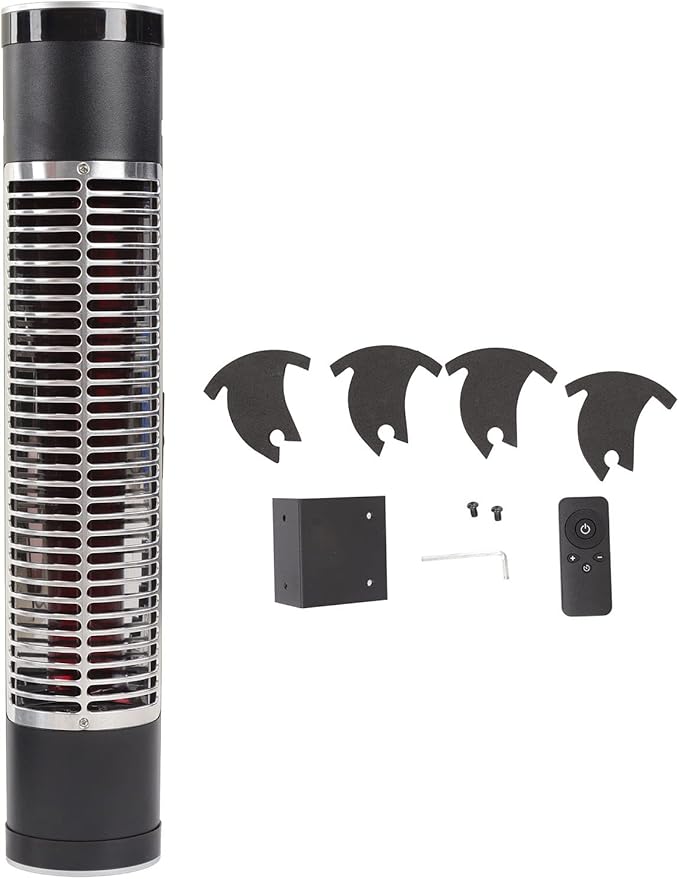
Nighttime in the nursery has a way of amplifying every small sound, and the air quality suddenly feels personal. A heater that wheezes, dries the room out, or pulls oxygen away turns comfort into a constant worry. That’s why more families with infants are leaning on a solid infrared heater: it warms the space without the draft, noise, or oxygen draw you get from forced-air systems.
What’s actually going on, technically
Infrared warmth is radiant heat—light in the infrared spectrum that travels outward and heats people and surfaces directly, the same way the sun warms your skin. Our electric infrared heater uses a carbon fiber element that comes up to temperature quickly and delivers gentle, even infrared warmth. No fan means it runs quiet, and no combustion means it doesn’t consume oxygen or put out fumes. A built-in thermostat helps hold a steady comfort level, and safety is covered with tip-over protection and a cool-touch housing—family-friendly, in other words.
Why this approach fits a nursery
In a nursery, consistency beats raw heat. Forced-air systems cycle on and off, kick up dust, and leave the air feeling bone-dry. An infrared heater warms the child and the immediate surroundings first, so the room feels settled sooner. Because it doesn’t consume oxygen, the air stays closer to its natural balance—something that matters during long stretches of sleep. And without a blower, the quiet makes feedings, cuddles, and naps happen without interruption. For parents, that’s not just warmth; it’s calm.
What you need to keep in mind
Infrared heat works best in line-of-sight, so aim the heater toward the crib, seat, or play area, and keep the recommended clearance from bedding and walls. This unit is designed for indoor use in dry environments, and while it’s quiet, the element still gets hot—so supervision around children matters. Pair it with a room thermometer and set the thermostat to the temperature you want at crib height, not just what the unit reads.