

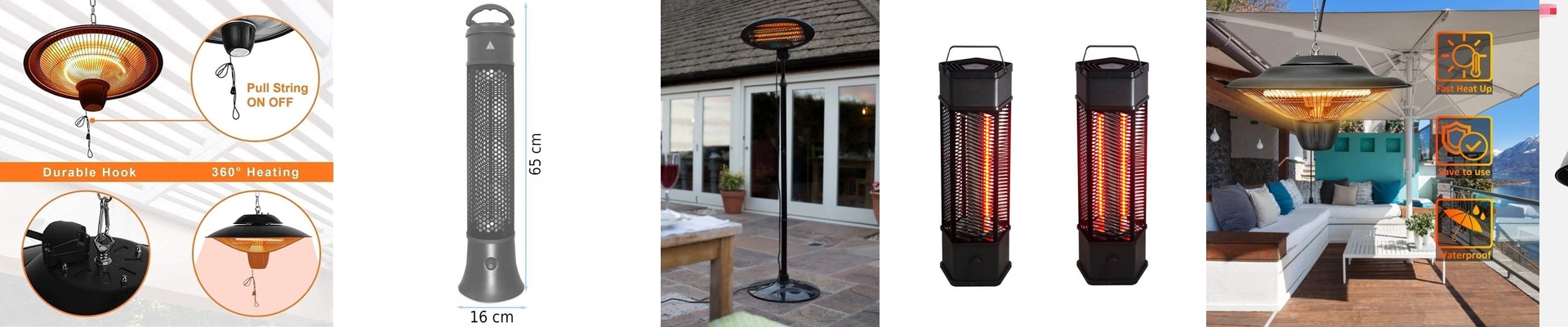
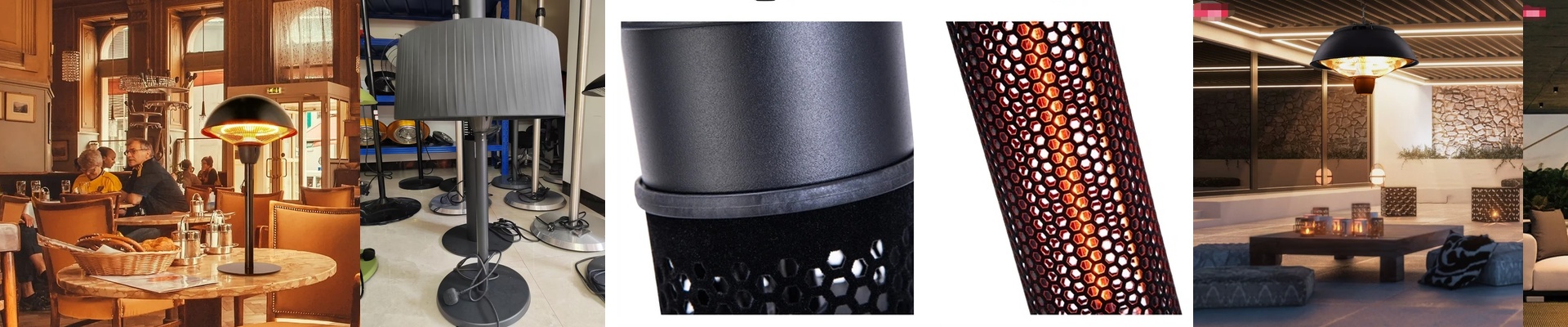
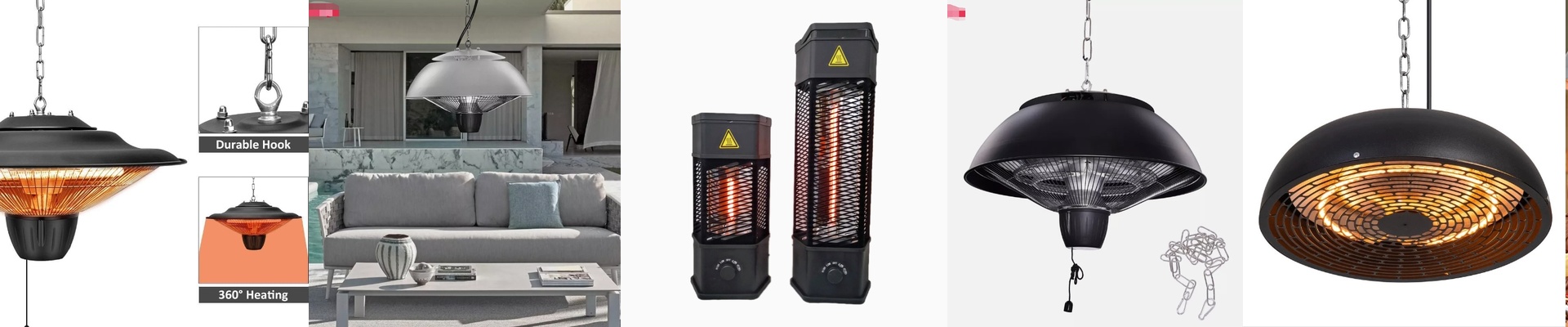
When winter really starts to bite, pets feel it first. Floors turn cold, drafts sneak under doors, and animals—especially those with older joints—pay the price. Conventional heaters just blast hot air around, drying out coats and kicking up dust. Infrared warmth takes a different approach. It radiates gentle heat that warms bodies and surfaces directly, supporting circulation without all the harsh air movement.
What matters under the hood
We built this WiFi electric heater around a carbon fiber infrared element, tuned for comfort. It delivers steady radiant heat with minimal glare, and it comes on fast—heat within seconds, then holds output steady instead of cycling hard. You set comfort from your phone: schedule warmth for mornings and evenings, adjust the target temperature, and get alerts if power drops. On the safety side, it includes overheat protection and tip-over protection. This is designed for indoor use around animals, and it runs quietly so sleep and rest don’t get disrupted.
Why this approach fits pet spaces
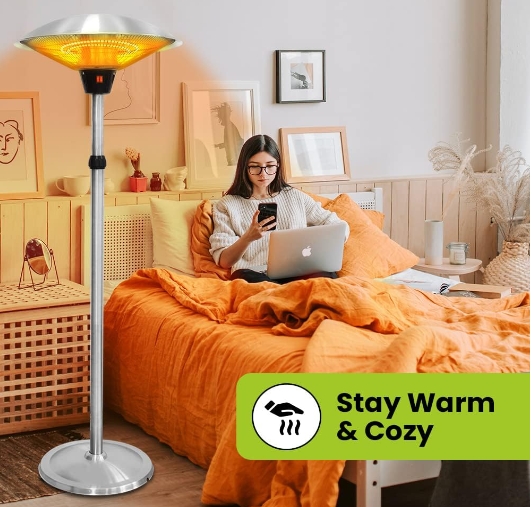
Pets feel comfort where it matters most—at floor level, right where they lie. Infrared warmth reaches into bedding and favorite resting spots, helping muscles relax and keeping circulation steady. Because the heat is directional, you can aim it where you need it, warming those key zones without overheating the whole room. That translates to a calmer space: less shivering, deeper rest, and fewer cold-weather stress behaviors. With WiFi control, you can keep the temperature consistent even when your schedule changes, and energy use stays sensible because the heater responds quickly to shifts.
The practical details
This is an electric infrared heater, not an outdoor patio heater—keep it indoors, away from direct rain, hose spray, and soaking conditions. Give it clearance from bedding and walls, and use the stable base or mounting options to keep it upright. WiFi performance depends on your home network; if the signal is weak, the app response can feel slower. For the most dependable comfort, set the thermostat and think in small-space terms—warm the core zone and let the heat spread naturally.