
Cutting Through the Cost Barrier in Semiconductor Spares
We get it. That proprietary ASML lamp dies, and suddenly your whole line is dead in the water. Then you get the quote from the OEM and your stomach drops. The question everyone’s asking is: can a domestic infrared heating lamp really step in and do the job? Without messing up the delicate thermal balance of the machine? Here’s the real answer: it’s not about just fitting the space. It’s about matching the physics, pure and simple. Our lamp is built to drop straight in, right where the original goes. The whole point? Get you back up and running with zero downtime.
A Closer Look: Power, Voltage, and Geometry
Lithography is all about hitting that sweet spot with heat density. Our lamp runs at 2500W and 400V. You need that kind of power to generate the intense infrared energy that keeps the photoresist temperature locked in that tiny tolerance window. We also got the length exactly right, matching the original arc. This makes sure the energy hits the wafer stage in the exact right spot. Get the geometry off by even a millimeter, and you’re looking at uneven exposure and a pile of scrapped wafers. No pressure.
The Details That Actually Matter
Inside, it’s a high-purity quartz tube with a tungsten halogen filament. It’s a tough setup, built to deliver a steady, powerful blast of infrared, day after day, cycle after cycle. Then there’s the R7s connector. It’s the anchor, locking everything in place and handling that full 400V load. We made sure it matches the original footprint, so the wiring is exactly the same as before. And the coating on the quartz? That’s crucial too. It filters out specific wavelengths so the heat profile is a perfect match for the OEM spec.
What This Looks Like on the Floor
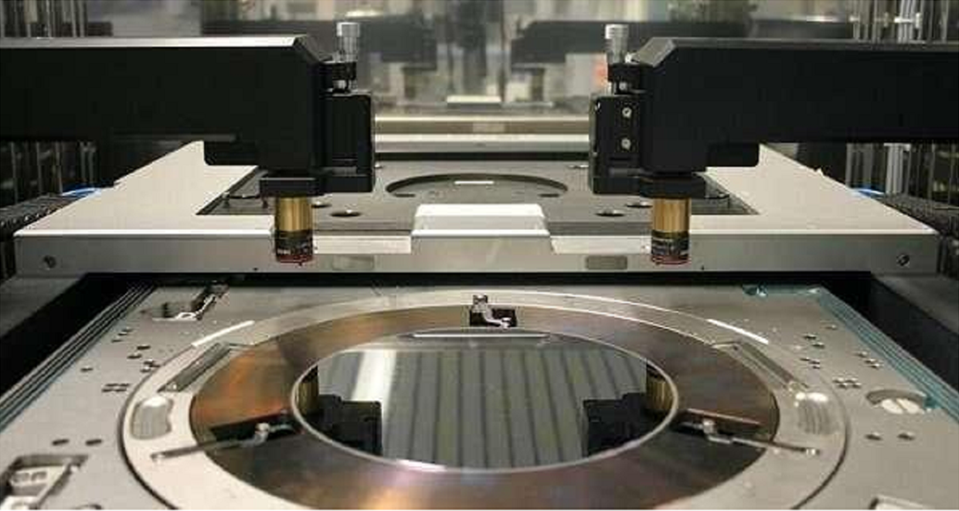
On the line, it’s as close to plug-and-play as you can get. Pull the old lamp, pop in the new one, and the system just recognizes the thermal load. No recalibration needed. It works with what you’ve got, so you don’t have to rewire anything. But here’s the thing. That 2500W output throws off serious heat. Your machine’s cooling system needs to be in good shape. If the cooling loops are a bit worn down, this high output can push the chamber temperature higher than the original spec. So before you swap it in, just make sure your cooling can handle the extra heat. That’s just the reality of running a high-power halogen lamp—it needs a cooling system that’s up to the task.