
Introduction
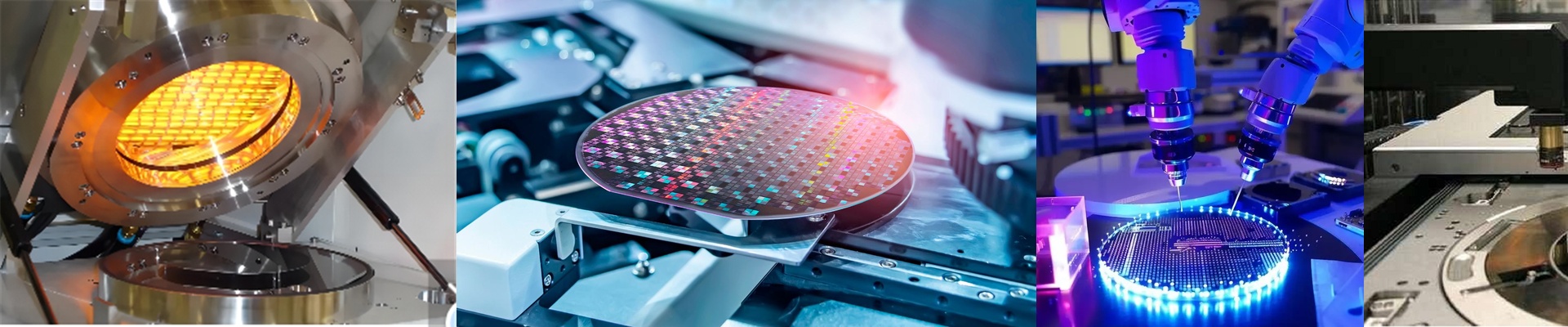
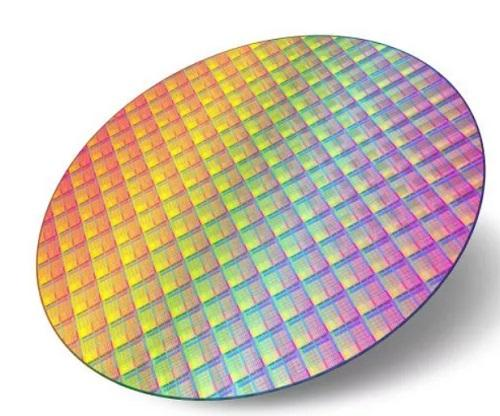
When you’re working with semiconductor wafers, you can’t cut corners. Contamination control and precise heat aren’t just nice-to-haves—they’re absolute musts. So here’s the real question: how do we make sure every bit of power going in turns into usable heat, right where you need it? It comes down to our high-efficiency gold coating. It’s the heart of the system, cutting down on wasted energy and keeping temperatures perfectly even in a controlled clean room.
The Power Play: Focusing the Heat
A clean room oven needs to deliver intense heat without creating a mess—no extra heat bouncing around, no particles floating loose. We built our system to focus the energy. All that infrared radiation gets aimed straight at the wafer. This does two big things. First, it shrinks the heater’s footprint. Second, it keeps the chamber much cooler. That means your HVAC and filters aren’t under constant strain. Simple physics, really: when the beam is tight, you lose less energy to the surroundings. For you, that translates to faster ramp-up and consistent results, batch after batch.
The Secret Sauce: Gold Coating, Actually Engineered
That gold coating isn’t just for looks. It’s a serious engineering layer, tuned to reflect infrared light like a champ. It sends a huge chunk of the infrared output straight back onto the target. That means you hit your setpoint with less power, and you keep temperatures stable even during those long dwell cycles. We match the reflector shape to the emitter layout, so you don’t get hot spots or cold zones. In practice, your thermal profile stays clean, and you spend way less time fiddling with settings.
Real-World Cleanroom: Precision Without the Mess
In semiconductor work, contamination is the enemy. Our infrared heaters are built to live in clean rooms without adding risk—no extra particles, no outgassing worries. The gold coating keeps the energy focused on the wafer, not heating up the surrounding equipment. That gives you a tighter process window and lowers the chance of defects. Now, concentrated heat does mean you need proper cooling and solid thermal isolation in the machine design. But when you plan that from the start, you get predictable performance, lower cost per wafer, and easier compliance with cleanroom standards.
The Reality: Heat Density Needs Cooling That Can Keep Up
High heat density gives you fast response, sure. But it also creates a local heat load. If your oven or handler can’t shed that heat, you risk overheating nearby parts and drifting off-spec. So plan your cooling and thermal separation up front. Do that, and the heater will deliver clean, repeatable performance—the kind you can count on.