
Dealing with Heat Spread in Semi Equipment
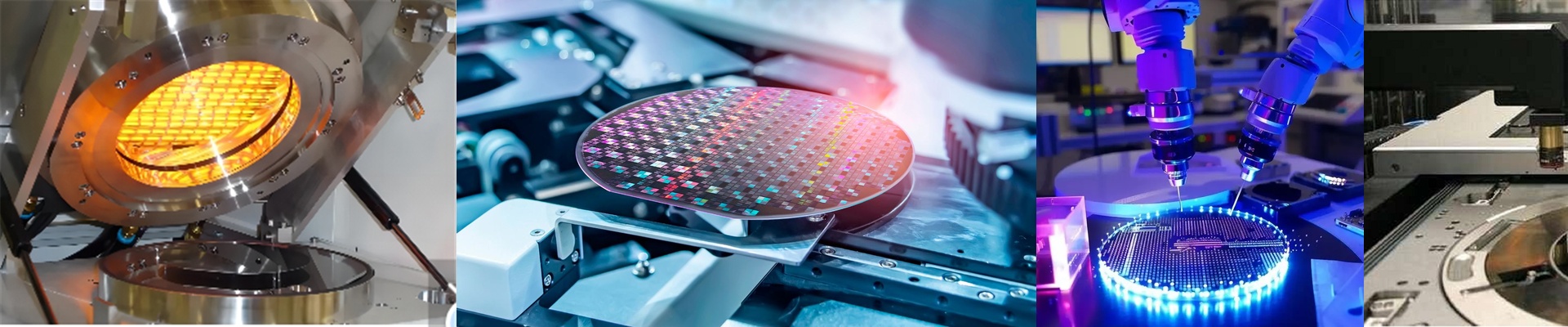
If you’ve ever run high-wattage IR emitters in semiconductor tools, you know the struggle. You’re fighting a constant battle with stray heat. Without a way to contain it, radiation just bleeds everywhere—straight toward the equipment walls. It’s a mess. Not only are you wasting energy, but the chassis gets hot enough to actually burn an operator or warp your internal parts. That’s why we use ceramic end caps. It’s all about forcing the heat to go where it’s actually supposed to go.
Getting the heat to move in one direction
Here’s the thing: standard quartz tubes throw heat in every single direction. 360 degrees of radiation. When you’re working with a tight machine footprint, that’s just asking for trouble. By popping on some high-purity ceramic end caps, we basically put a wall in the way of that axial heat loss. The ceramic acts as a barrier. Instead of the energy soaking into the lamp holder or the machine frame, it gets pushed forward, right onto the target substrate.
The nitty-gritty on materials
We stick with alumina-based ceramics. Why? Because they can take a massive thermal shock without cracking. You can’t cut corners here. Cheap plastics or low-grade composites will just melt or burn the second the lamp hits full power. It’s not even a contest. But the fit has to be just right. It’s a delicate balance. If the gap is too wide, heat “leaks” out and you end up with dangerous hot spots on your wiring. But if it’s too tight? The quartz tube might actually snap when it expands from the heat. We spend a lot of time tuning that tolerance so the cap stays put while the lamp cycles on and off.
Putting it into practice
Adding these caps essentially turns a basic heater into a precision tool. You get a much tighter heat profile, and the exterior walls stay at a temperature that won’t scare your operators. Just a heads-up: since you’re blocking the ends, the core of the quartz tube is going to get hotter. Make sure your power supply can handle that shift in resistance. You don’t want to accidentally blow a filament because the power wasn’t spec’d for the change.