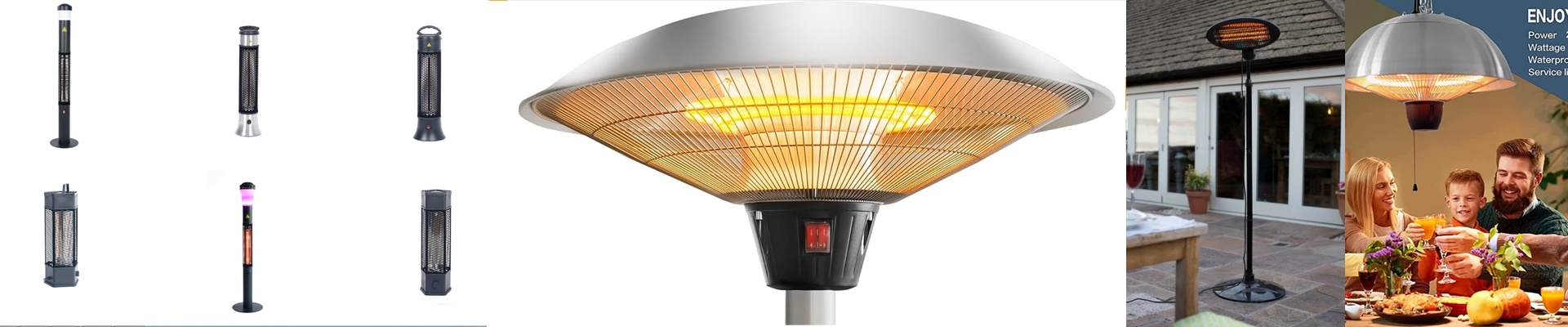
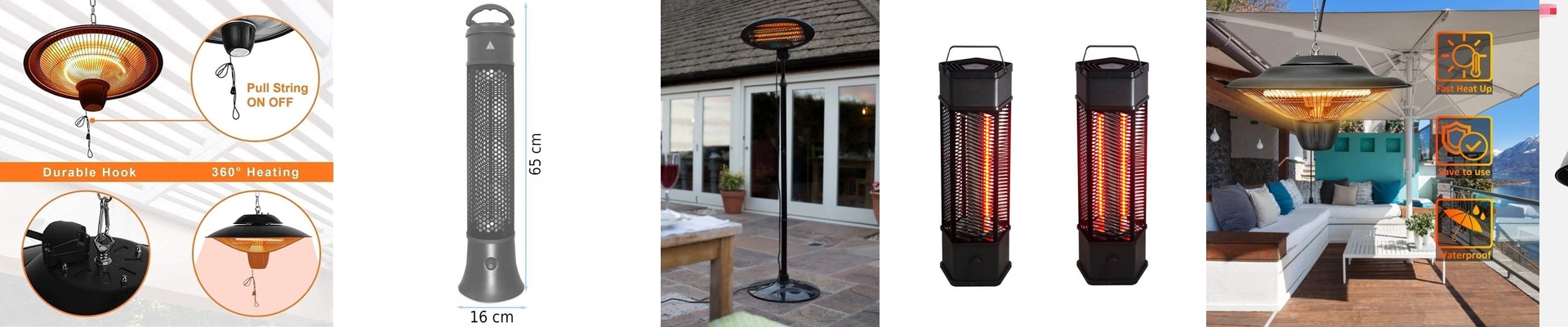
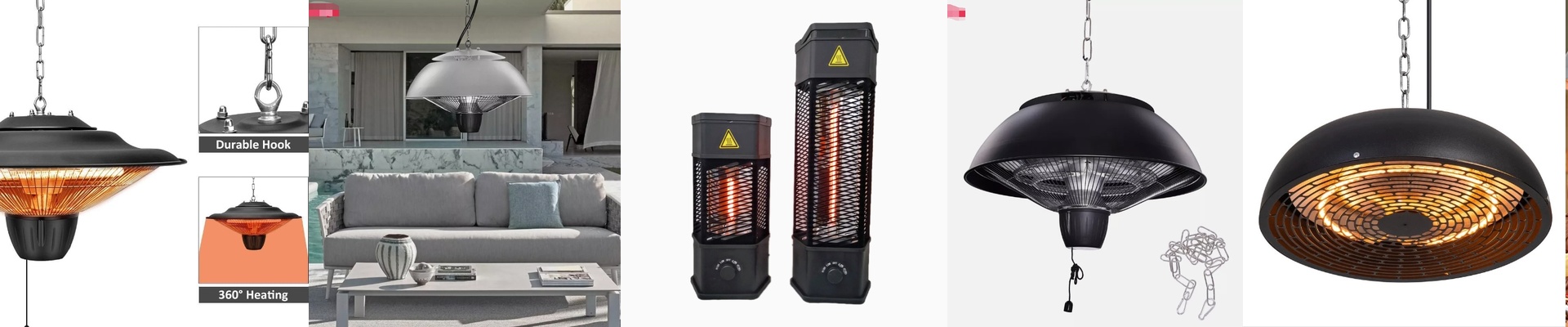


Basements always seem to run colder than the rest of the house, and it’s never just dry cold. It’s that heavy, clammy damp that makes comfort feel like it’s slipping away—and mildew starts acting like it pays rent. A regular space heater can warm the air, sure, but it doesn’t do anything about the wetness that makes the chill bite. That’s why a low-power, wall-mounted infrared heater with a PTC ceramic core makes sense: you get targeted warmth that also helps cut through that clammy feeling.
What matters under the hood
We built this around a positive temperature coefficient (PTC) ceramic element. Once it’s energized, the ceramic heats up fast and then self-regulates, which helps prevent runaway temps and keeps output steady. The payoff is infrared warmth that radiates outward, heating people and nearby surfaces directly—instead of just moving air around. It runs on standard 120V and draws low current, so you’re not asking an older basement circuit to do more than it can. A built-in thermostat holds the temperature where you want it, and the compact profile is meant for wall mounting, so you keep floor space clear.
Why this fits a basement
Down in a basement, comfort comes down to temperature and humidity, not one or the other. Radiant heat from a PTC ceramic heater warms you on contact, so you feel cozy even when the air is cooler. Because the heat is focused, you can keep the overall temperature lower and still feel warm. That helps conditions stay more consistent and reduces that damp, chilly vibe that pushes condensation. The wall-mount keeps the unit up and out of the way, and the low power draw means you can run it longer without sweating the energy use.
Practical stuff to get right
For the best coverage, mount the heater on a wall where it can radiate across the main seating or work area, and keep it clear of obstructions. Depending on the model, it’s designed to be hardwired or plugged into a grounded outlet—just make sure the circuit can handle the load. The PTC self-regulating design improves safety, but the heater still needs airflow around it. In a very humid basement, pairing the unit with a dehumidifier will give you the biggest jump in comfort.