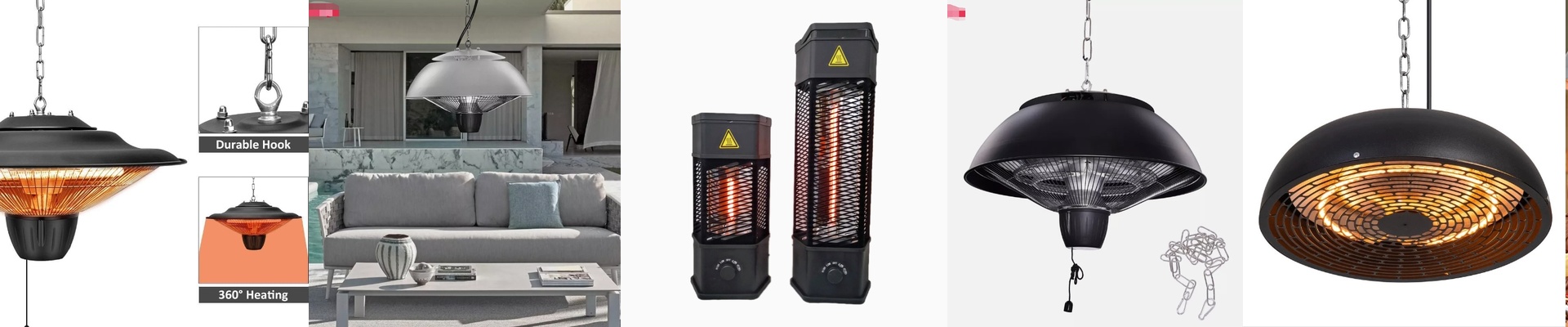

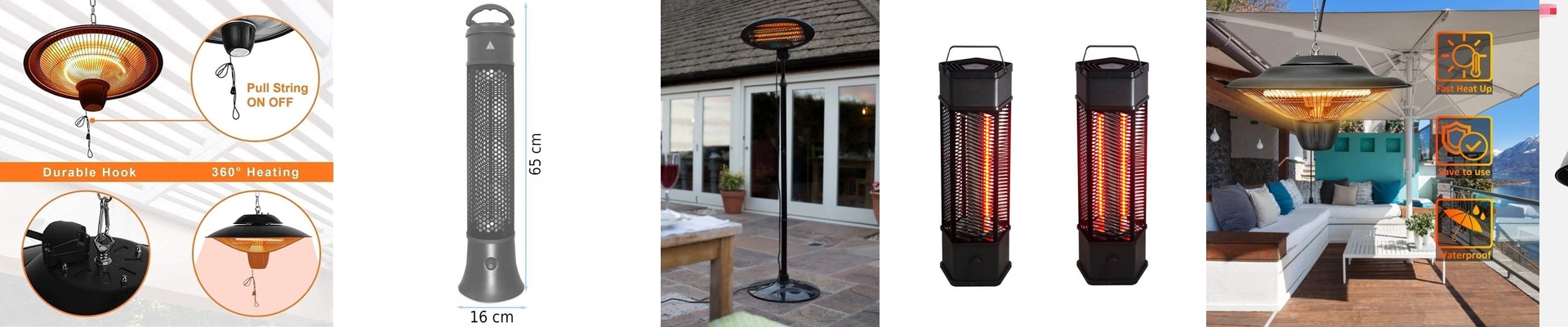
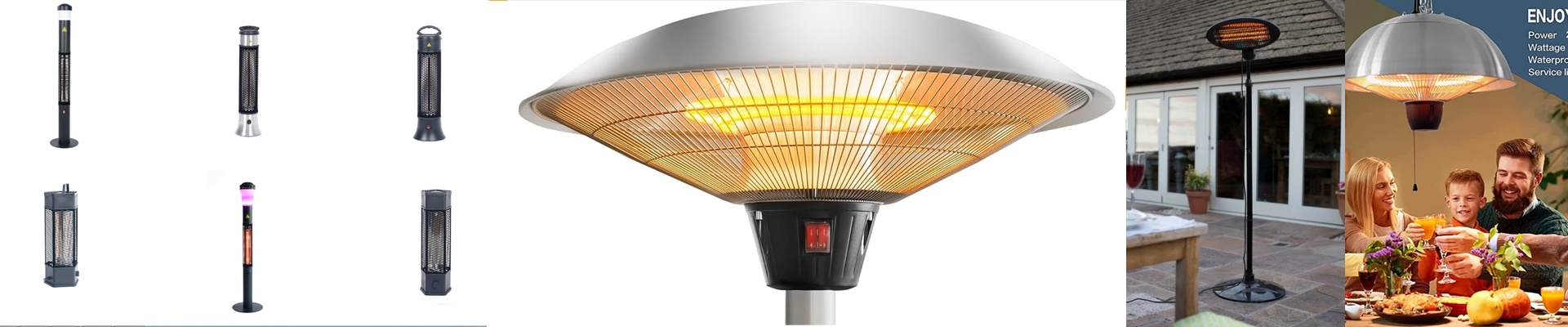

When the air turns crisp and still, you don’t want to wait around for heat. You want warmth that hits right away, settles on your skin, and holds steady. That’s exactly what a low-wattage infrared heater is built for—comfort without sending your energy bill through the roof.
What’s actually going on under the hood
Infrared warmth is direct. It radiates outward and heats people and objects first, not the air between. In these low-wattage infrared heaters, the heart of the system is a high-purity quartz tube paired with a carbon-fiber heating element. That combo is engineered for high conversion efficiency, turning up to 99.8% of electrical input into usable radiant heat. Less waste, more warmth where it counts. You feel it as a gentle, even heat across your body—no blast of hot air, no constant on/off cycling. On a patio or in an outdoor electric heater setup, that means comfort stays consistent even when a breeze drifts through.
Why this approach works outdoors
Outdoor living spaces are tough to heat. Conventional methods lose warmth fast to the open air. Infrared goes straight to what it touches. On a cool evening, you get comfortable sooner—and stay comfortable longer. Because the heater puts energy right where you need it, you can run it on lower wattage and still feel the difference. That matters if you’re trying to extend evenings on the deck without watching the meter climb. In a workshop or garage, it also means less waiting for the space to “warm up,” and more time getting things done.
Practical stuff to get right
Infrared heat is most effective at close range, so position the unit to face the seating area directly. For outdoor use, pick a model rated for the conditions—look for protective housing and a reliable tip-over switch. Placement matters. Keep the heater at a safe distance from curtains, furniture, and anything combustible, and stick to the clearances in the manual. Most units plug into a standard outlet, but if you’re running multiple heaters, check your circuit load. One practical note: infrared warmth feels best when it has a clear line to you. Block the path, and comfort drops—even though the heater is doing its job perfectly.