
Why we’re switching to IR curing for lead-free chips
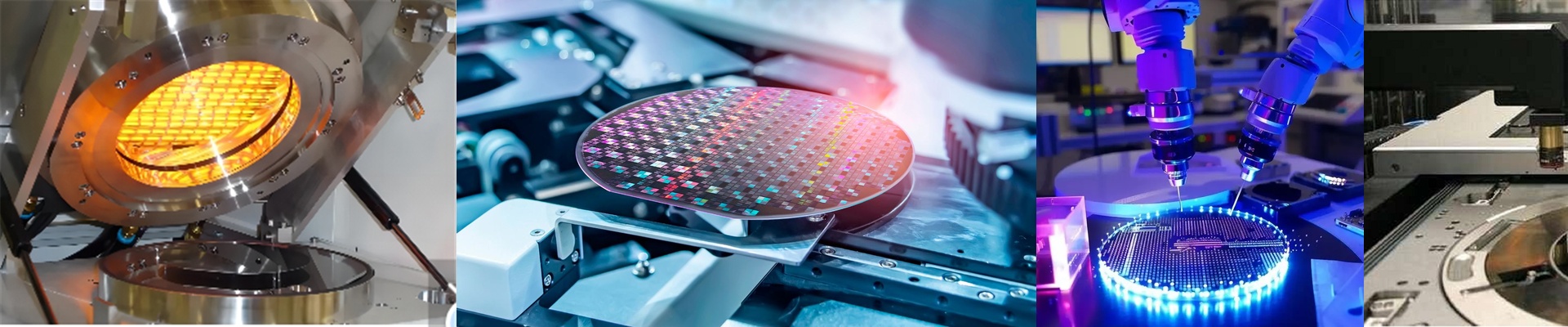
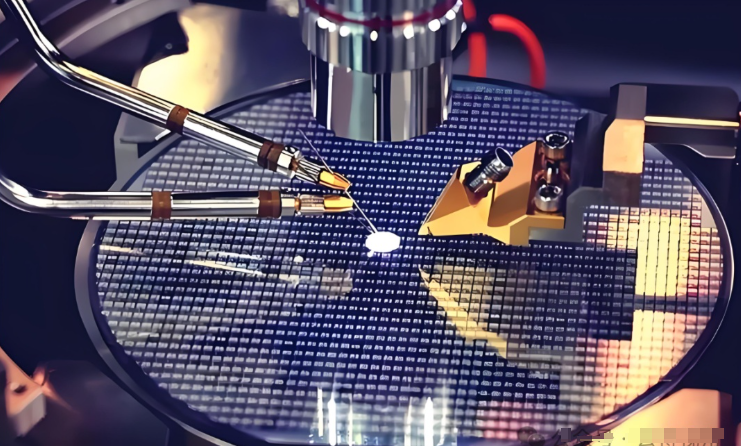
The semiconductor world is finally moving away from those old-school convection ovens. Most of us are switching over to Infrared (IR) curing, and it’s not just about following the new “eco-friendly” or lead-free rules—though that’s a big part of it. It’s about how the heat actually works. Instead of blowing hot air around a room, IR uses electromagnetic radiation. It doesn’t mess around with the air; it just hits the target directly. The energy side of things Think about a convection oven. You have to heat up the entire chamber, the air, the walls… everything. It’s a waste. IR is different. We can tune it to hit the specific absorption bands of the photoresist or the wafer itself. It’s direct. No massive heating elements running 24/7 just to keep the air warm. You get a much faster ramp-up, which means your electricity bill stays lower and your wafers move through the line quicker. Getting the temperature just right Here’s the tricky part: lead-free solders and resists are finicky. They have a very narrow “sweet spot” for temperature. If you overshoot it even by a little, you’re looking at warped wafers or fried circuitry. That’s a nightmare. With IR, we use sensors that watch the wafer surface in real-time. The moment the temperature shifts, the sensors tell the power controller to dial back the lamps. There’s no “thermal lag” like you get with air ovens, where the air is still hot even after you’ve turned the heat off. It’s just tighter control. Cleaning up the floor Plus, your fab gets a lot cleaner. You can ditch those huge ventilation ducts and the VOC scrubbers that usually come with high-heat air systems. The whole setup takes up way less space. But, it’s not all magic. You do have to watch out for the “edge effect.” Since IR is line-of-sight, the edges of a wafer can heat up faster than the center if your lamps aren’t set up perfectly. You have to be really careful with the lamp geometry and the distance from the 300mm surface. If the spacing is off, you’ll get hot spots. And a hot spot is a great way to ruin an entire batch.