
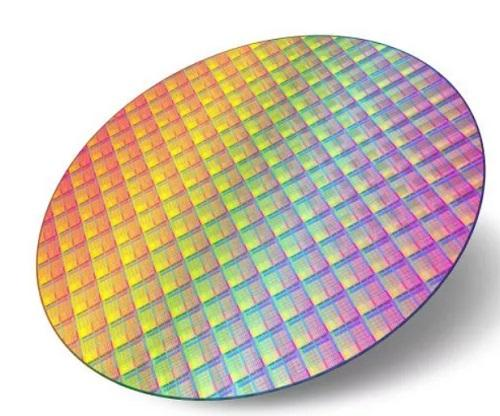
Cutting Carbon in Chip Packaging with Smart IR
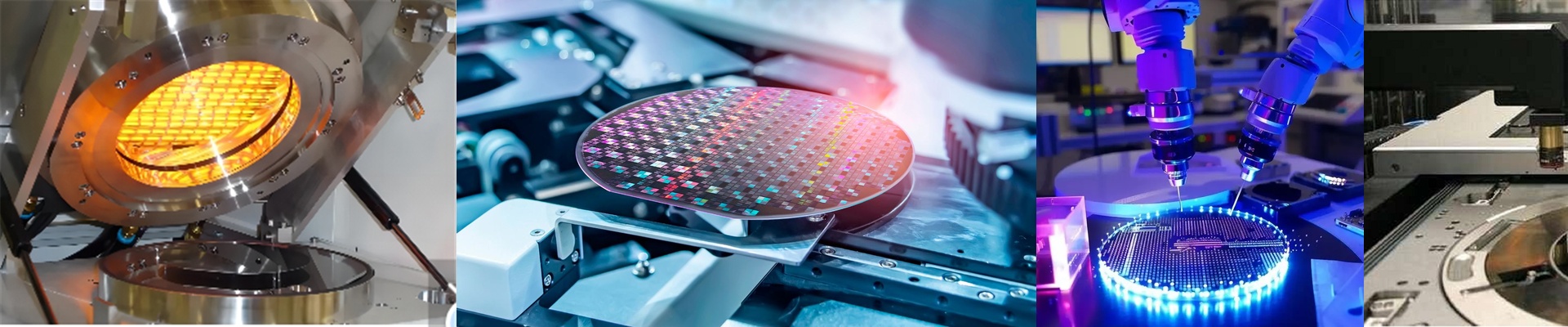
Making semiconductors is an energy hog. Period. If you look at the curing and drying stages of sensor packaging, you’ll see a lot of old-school convection ovens just pumping heat into a giant metal box. Most of that energy never even touches the part—it just warms up the room. That’s where infrared (IR) comes in. Instead of heating the whole chamber, IR hits the substrate directly. It’s a lot cleaner and way more efficient. Getting the heat right When you’re dealing with delicate silicon wafers, you can’t just blast them with heat. You need to get to the target temperature fast to avoid thermal stress, but you have to be precise. We use short-wave IR lamps to get that high heat density. It’s incredibly fast. We’re talking seconds, not minutes. But the real secret is the smart sensors in the lamp array. They watch the surface temperature in real-time and dial the power back the moment the part hits the mark. You aren’t wasting watts on a piece of silicon that’s already hot enough. The nuts and bolts On the hardware side, we go with quartz envelopes and halogen filaments. It keeps the light spectrum tight and predictable. The “smart” part is really just a tight feedback loop between the IR emitter and the pyrometer. It fixes a huge headache: the “overshoot” you usually get with PID-controlled air ovens. With this setup, you don’t accidentally cook your parts. One thing to watch out for, though. These high-intensity arrays put off a lot of radiant heat. If your cooling fans aren’t up to the task, that heat bleeds into the machine frame. If that happens, your sensor readings will start to drift, and you’ll be chasing your tail trying to calibrate them. What this actually does for the planet Going “green” isn’t about finding one magic part that fixes everything. It’s about the math—specifically, how much energy you use per wafer. Old ovens take hours to warm up. IR takes minutes. When you look at the kWh per unit, the difference is massive. For any factory trying to hit carbon neutrality, swapping out those aging forced-air ovens for smart IR arrays is probably the fastest way to drop your electrical load without slowing down your production line.