
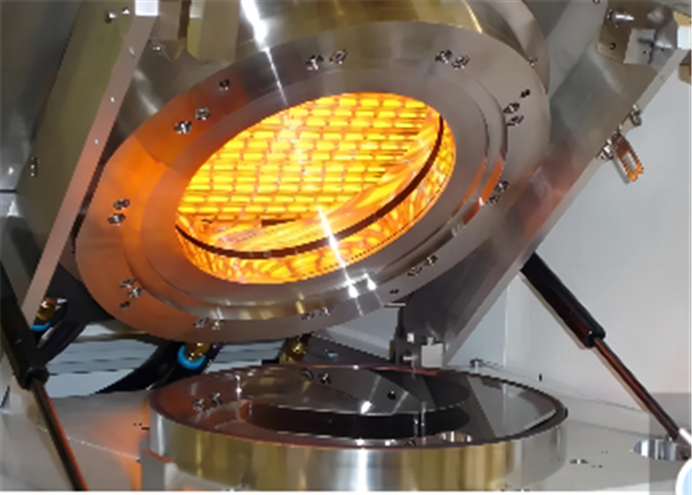
Why Clean Room Infrared Heaters Leave Hot Air Circulation in the Dust
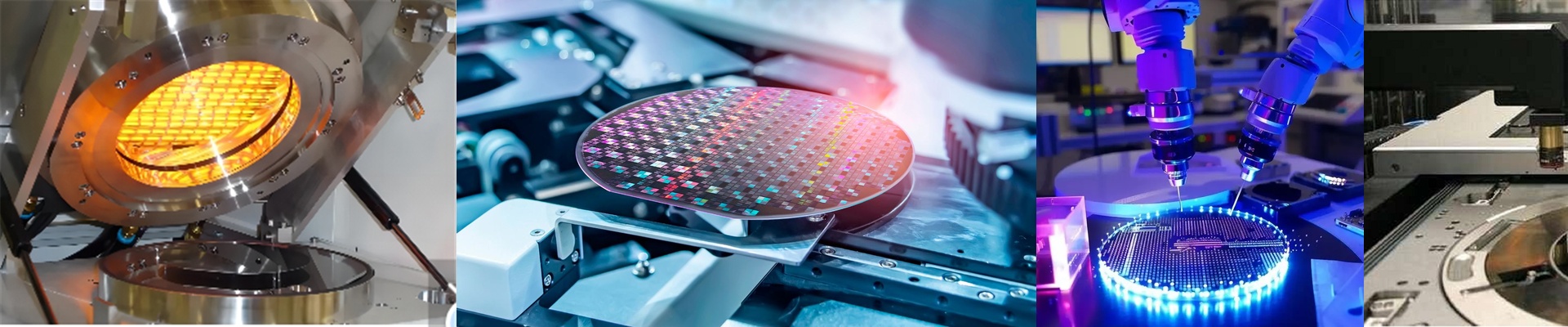
In semiconductor deep processing, every second counts. When you’re running wafer drying, curing, or annealing, those old hot air convection ovens feel painfully slow and impossible to control. They waste energy heating the whole chamber instead of the actual part. So we built clean room infrared heaters with one clear mission: heat the substrate directly, and leave the surrounding air alone. It’s not just about a faster warm-up. It’s about taking control of the heat, right where you need it. That’s why these heaters are becoming the go-to choice in modern semiconductor lines.
Let’s Talk Power, Voltage, and Size
The heart of the system is a 400V, 2500W infrared tube, 300mm long. No accident there. The 400V input gives you a compact, high-density element that delivers instant radiant energy without overloading your panel. And that 2500W rating? It means rapid ramp-up times—exactly what you need when your line has to hit temperature, run, and reset fast. The 300mm length is all about fit. It creates a focused heating zone that lines up with standard tooling widths, so you can swap out hot air banks without overhauling the whole machine. But here’s the trade-off: that much power packed into one spot generates serious local heat. You’ve got to make sure your machine’s cooling and shielding are up to the task, or you’ll risk thermal drift in nearby components.
The Materials That Make It Work
The tube itself is wrapped in a halogen-filled quartz envelope. Quartz can handle rapid heating and cooling cycles, and it stays rock-solid in clean environments. The halogen gas keeps the filament stable, preventing blackening and keeping output consistent—hour after hour, for thousands of hours. For the connection, we use an R7s connector. It’s simple, secure, and holds up against the vibration on the line. You can wire it up quickly and keep maintenance straightforward. No fuss, just reliability.
Why This Matters on the Factory Floor
In semiconductor deep processing, the infrared heater focuses on the substrate, not the air around it. That means faster drying, tighter curing windows, and results you can count on, with way less thermal lag. You slash cycle time because the part hits temperature almost instantly, and you save energy by not heating empty space. If you’re moving from convection to direct-heat processing, clean room infrared heaters are the practical way to go. They give you control, speed, and reliability, all in a footprint that fits modern tool upgrades. Just remember: if you’re stepping up to precision heating, go infrared. But make sure your cooling and shielding are ready for that concentrated power.