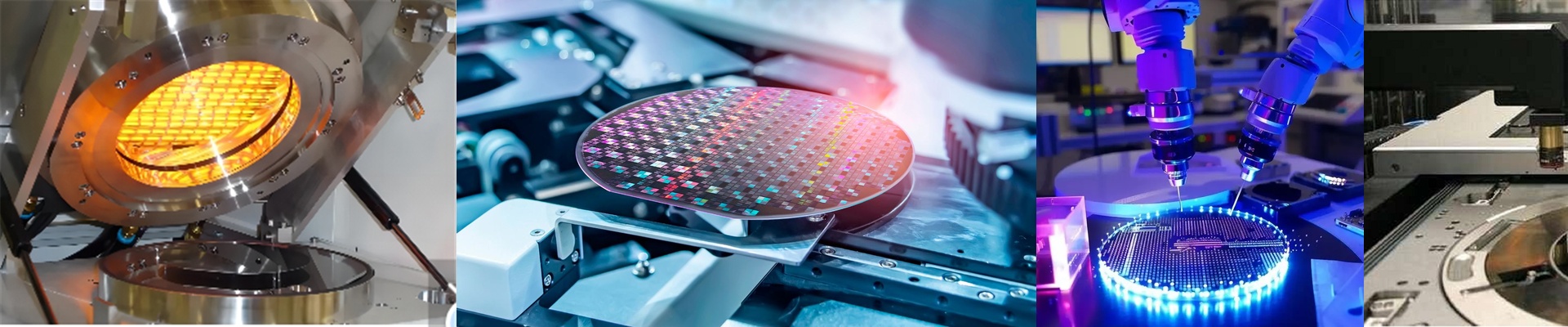
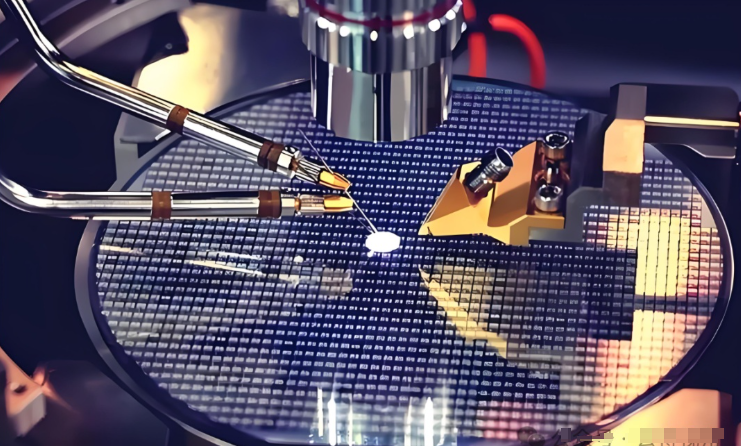
On the lithography floor, that 90°C soft bake isn’t just a setting on the panel. It’s the line in the sand between a photoresist profile that holds shape and a wafer that ends up in the scrap bin. A 0.5°C drift across the chuck? That’s enough to tilt CD uniformity and push line-width control right out of spec. In this business, temperature isn’t just heat—it’s a process variable that has to stay inside a tight thermal budget, lot after lot. Here’s what matters under the hood. We run high-precision heaters that hold wafer-level uniformity within ±0.1°C, with setpoint repeatability that keeps the bake inside the window for consistent adhesion and etch selectivity. The hardware is built for cleanroom duty—Class 1 to 100—and it’s engineered so temperature transitions don’t generate particle events. We use short-wave infrared elements that respond quickly, so ramp-up and soak are under tight control. The hot zone stays isolated, which protects the chamber from outgassing and contamination. In production, that precision shows up where it counts. Fewer excursions. Less scrap. Cycle times that behave predictably. Soft bake, hard bake, and post-bake steps stay stable enough to support shrinking nodes, without chasing thermal drift from lot to lot. You end up with higher effective yield and far less rework. Energy use stays lean because heating is efficient and overshoot is minimized. The platform is rated for 24/7 operation, so unplanned downtime stays close to zero. A few practical notes before you spec it in. These heaters integrate cleanly, but they need a stable power supply and a chuck with matched thermal mass to hit the stated uniformity. Plan a short commissioning run to tune PID to your chamber dynamics, and verify grounding and shielding so EMI doesn’t bleed into sensitive metrology zones. Once you get the alignment right, the process window opens up and the line runs to spec—without the temperature-driven variability that throws away wafers.