
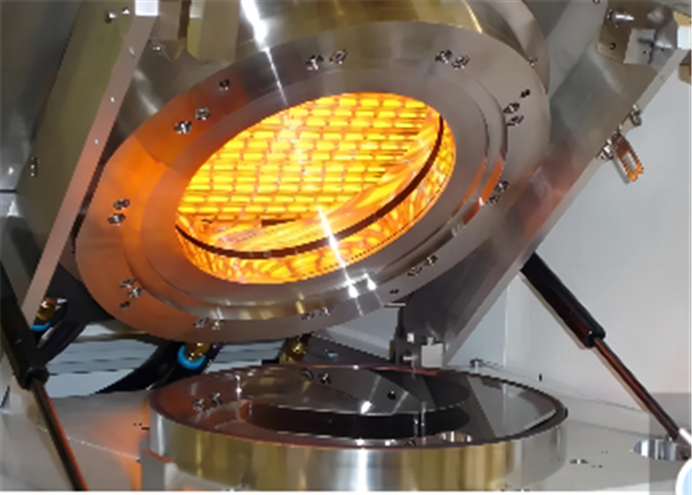
Getting Your MEMS Wafers Dry Without the Headaches
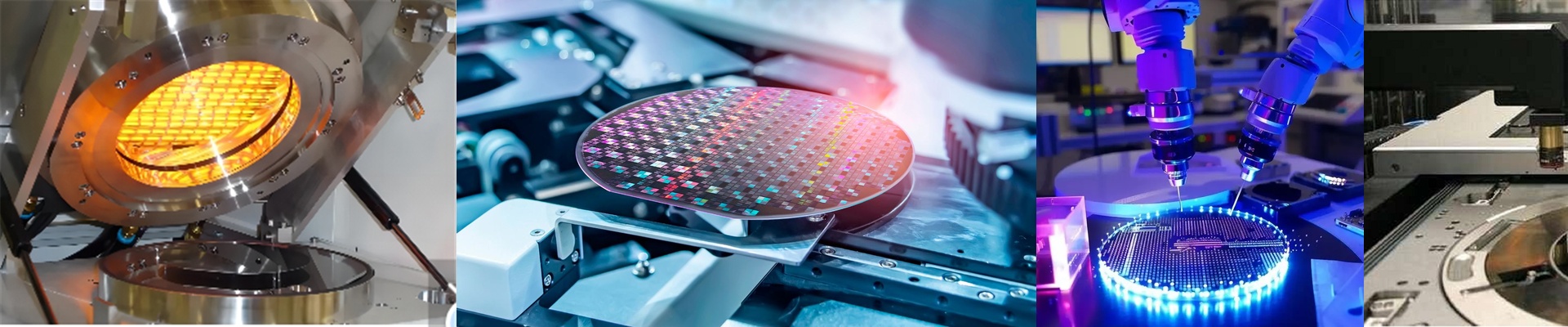
When you’re drying MEMS sensor wafers, it’s all about a delicate balancing act. You need enough heat to get the job done, but it has to be perfectly even. If you leave a tiny bit of moisture behind—or if the heat hits the wafer unevenly—you’re looking at stiction or a snapped sensor membrane. That’s a nightmare nobody wants. That’s why we build our heaters to hit those tight tolerances. We focus on getting the temperature up fast and keeping it steady across the whole surface.
Let’s talk power
To dry a wafer without frying those fragile MEMS structures, we look closely at the wattage-per-square-inch. A high wattage density is great because it flashes off moisture in a heartbeat. But here’s the thing: your power supply has to play nice with the heater’s voltage. If you try to force too much current through a low-voltage element just to hit your temperature goals, you’re going to kill the heater. It’ll burn out way faster than it should.
Keeping it clean
In a semiconductor fab, a single speck of dust is the enemy. We use high-purity quartz or specific ceramic coatings so nothing flakes off into your chamber. We also seal the heating elements to stop oxidation. It keeps the heat output steady, even after thousands of cycles. And because these things expand and contract constantly, we use industrial-grade connectors. You don’t want a loose wire halfway through a production run.
The trade-offs
High-output heaters are powerful, but they put a lot of pressure on your vacuum and cooling systems. Sure, cranking up the heat speeds up the cycle. But it also risks putting too much thermal stress on the edges of the wafer. You’ll want to dial in your PID controllers carefully to stop the temperature from overshooting. And a quick warning: if your cooling fans can’t handle the heat these heaters throw off, your control electronics will start to drift. It’s annoying and hard to track. To avoid that, we usually suggest a staged heating profile. It’s a bit more patient, but it’s much safer.