Making Your Outdoor Heaters Actually Smart
If you’re putting heaters outside, you’ve got two main enemies: rain and the wait. Nobody wants a heater that shorts out the first time a storm hits. That’s why we stick with IP66-rated enclosures. In plain English? It means dust and high-pressure water jets can’t get inside to fry the electronics. If it’s going to be exposed to the elements, this isn’t optional—it’s a must.
Heat That Hits Instantly
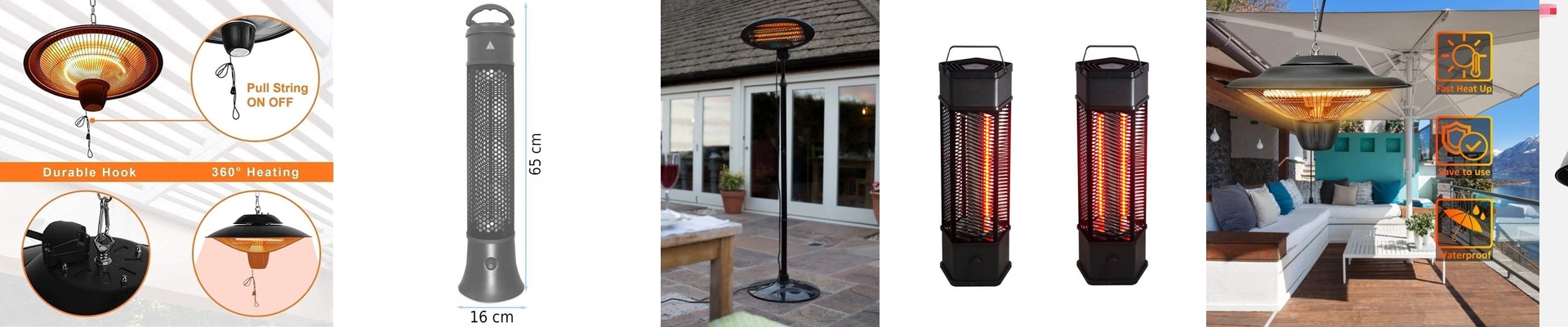
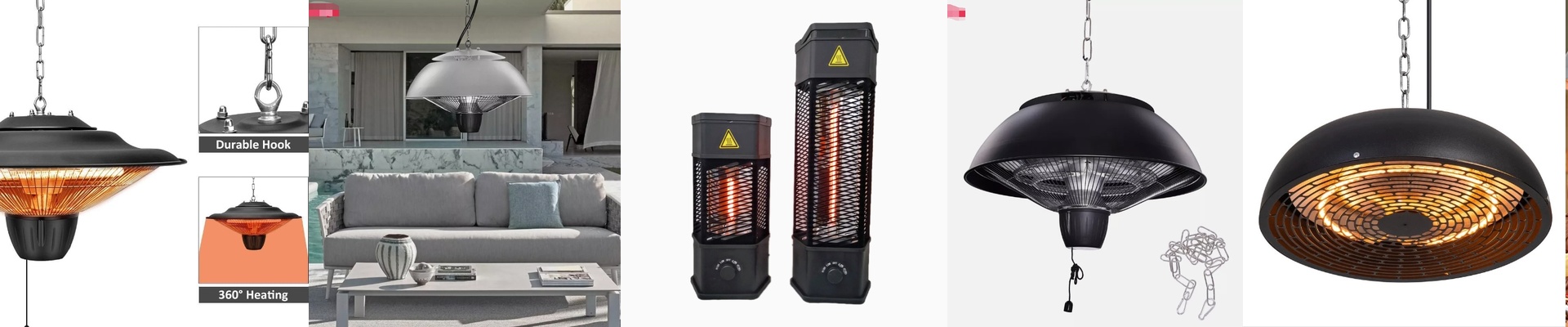
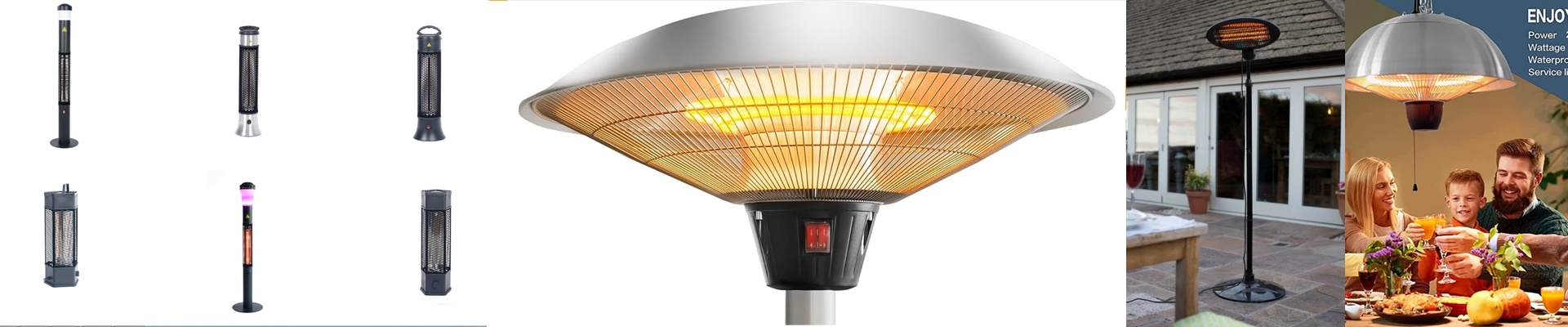
Most heaters try to warm up the air around you. The problem is, if there’s a breeze, that warmth just blows away. Our infrared systems work differently. They send out short-wave radiation that hits you and your furniture directly. It feels like stepping into a patch of sunlight on a cold day. The best part? There’s no waiting around for the unit to “warm up.” You hit a button on your smart home hub, and you feel the heat in seconds.Just like that.
Getting it to Play Nice With Your Tech
We connect the hardware to your smart home using IoT relays or controllers that speak Zigbee and Matter. Imagine this: you’re inside, you see it’s getting chilly, and you trigger “Winter Mode” from your phone. The signal hits the relay, the circuit closes, and the tubes fire up. Easy. One quick tip: if you’re running a big array of high-wattage heaters, use a soft-start controller. It stops that massive initial surge of power from tripping your breaker the moment you turn everything on.
The Nitty-Gritty (And How to Avoid Mistakes)
Here’s the thing about those IP66 seals. They’re great for keeping water out, but they trap heat inside. Since the heater is blasting warmth outward, the internal boards can still get toasted by the housing. To stop this, we use heat sinks or vented compartments at the back. Just a heads-up: if you tuck these into a tight corner with zero airflow, your components are going to wear out a lot faster. Give them some room to breathe. And for the love of everything,**don’t use standard PVC wiring.**It’ll melt if it touches the chassis near the emitter. Stick with silicone or fiberglass braided leads. It’s a small detail, but it’s the difference between a heater that lasts years and one that becomes a fire hazard by November.