
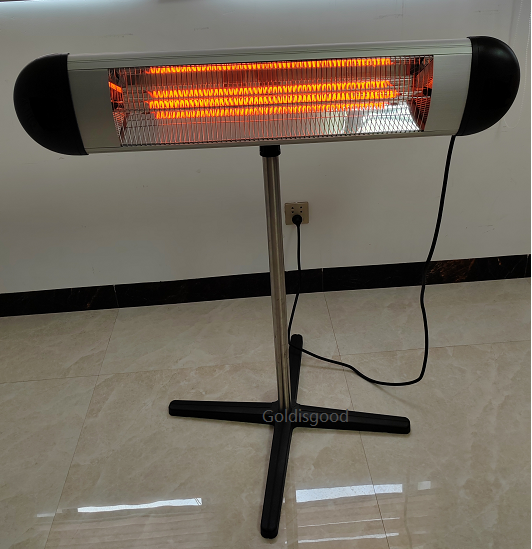
How Infrared Heaters Keep Your Bathroom Mold-Free
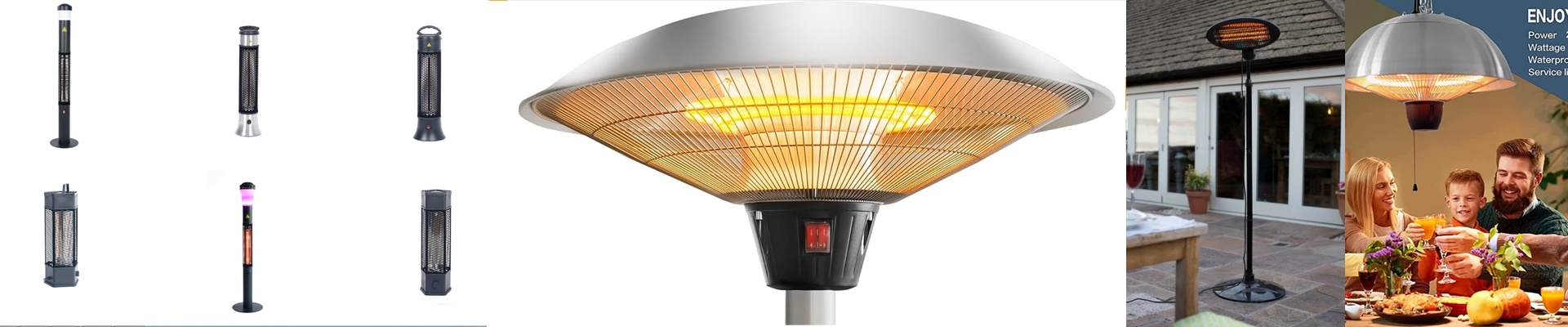
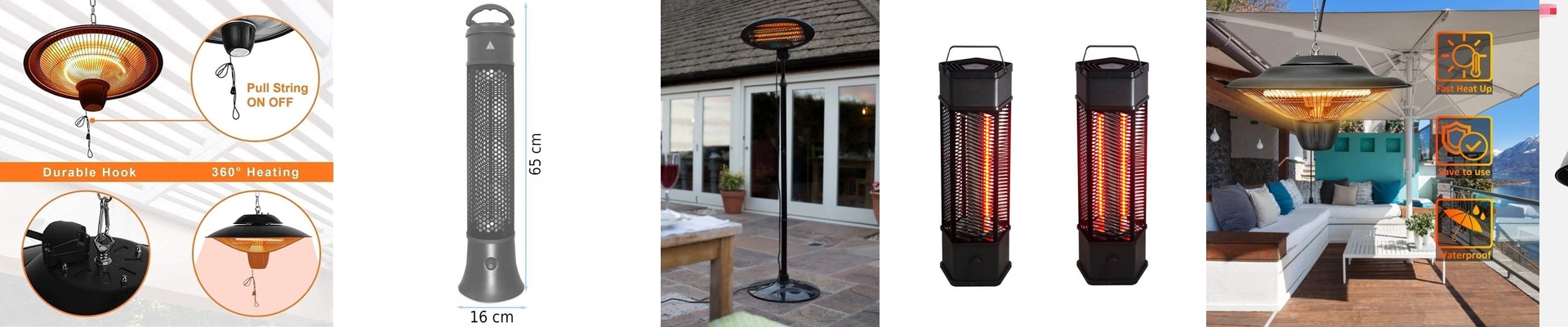
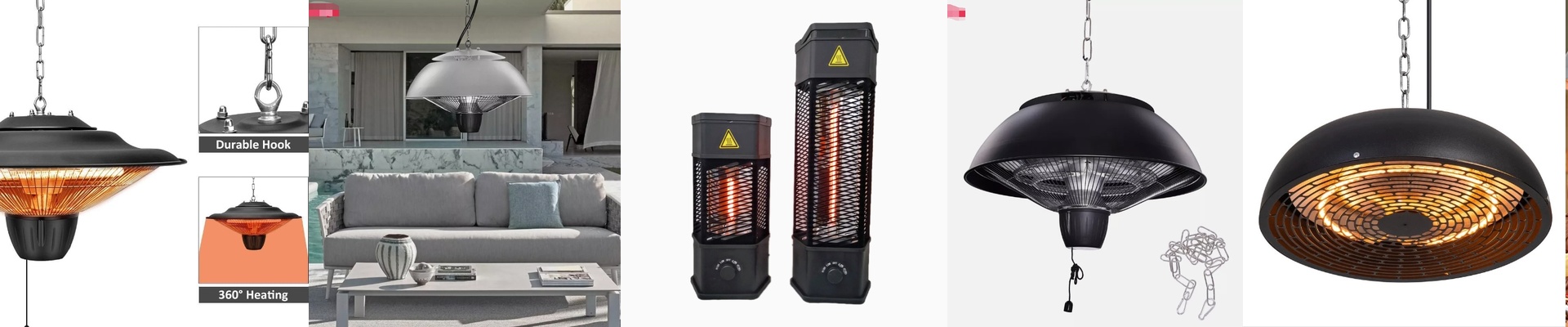
Let’s talk about a bathroom heater that does more than just warm the room. We built this waterproof infrared heater for the places where dampness and cleanliness have to coexist. It’s not just a heat source. It’s a targeted approach that uses specific light wavelengths to change surface conditions—right where mold tries to take hold.
Power, Voltage, and Size: The Real-World Details
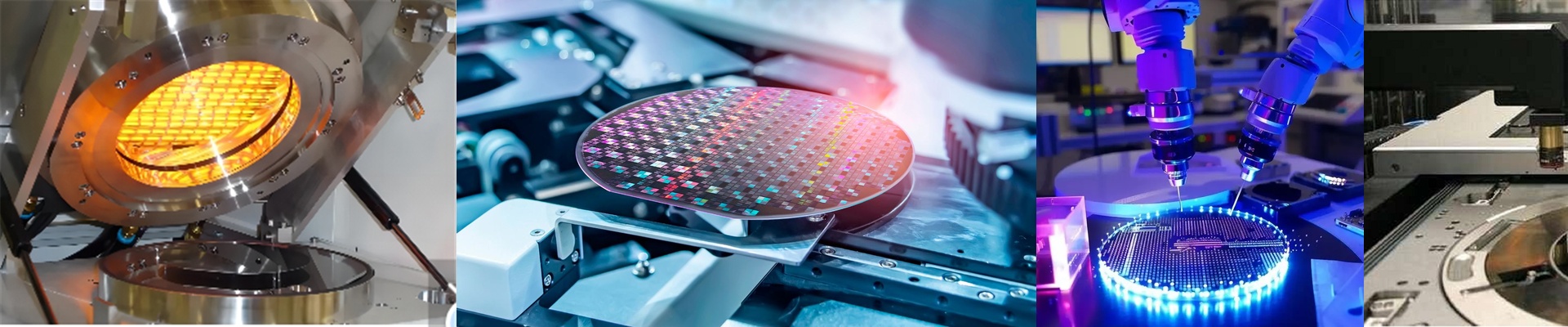
At the heart of this unit is a high-output, shortwave infrared lamp. It runs on standard industrial voltages and heats up fast—way faster than a typical convection heater. The wattage is packed in tight, so the lamp hits operating temperature in seconds. And the size? Compact. It’s designed to slip into tight ceiling or wall spots without giving up output. That power-to-size ratio gives you a dense heat footprint in a small footprint. But here’s the thing: the mounting hardware around it needs to handle the heat. So when you plan the install, plan for that thermal load.
Materials and Design: Built to Handle the Heat (and Water)
The heating element sits inside a quartz envelope, not regular glass. Quartz can take the shock of quick on-off cycling and transmits infrared wavelengths better. Inside, a halogen gas fill helps stabilize the filament. That means longer life and fewer sudden burnouts. The lamp also has a specialized waterproof coating and a sealed housing. This isn’t splash-proof thinking—it’s a full IP-rated seal that keeps water out and protects the internal electronics. Connections matter, too. The R7s connector is direct and tough, built for high current and quick replacement without needing tools.
How It Actually Helps: Less Mold, Healthier Air
Mold needs moisture and a surface temperature in its sweet spot to grow. Our heater goes straight at that problem—at the surface. The infrared spectrum targets the wavelengths that speed up surface drying. That actively lowers surface humidity, so the damp conditions mold craves start to disappear. The result is a kind of secondary dehumidifying effect. You still get a warmer bathroom, but more importantly, you get a surface that’s hostile to microbial growth. This makes sense for bathrooms, animal housing, and washdown areas—anywhere staying dry and healthy is non-negotiable. Just keep one thing in mind: the radiant heat is intense. Position it carefully so you don’t overheat sensitive materials.