
Getting Your Temperatures Right in IR Semiconductor Systems
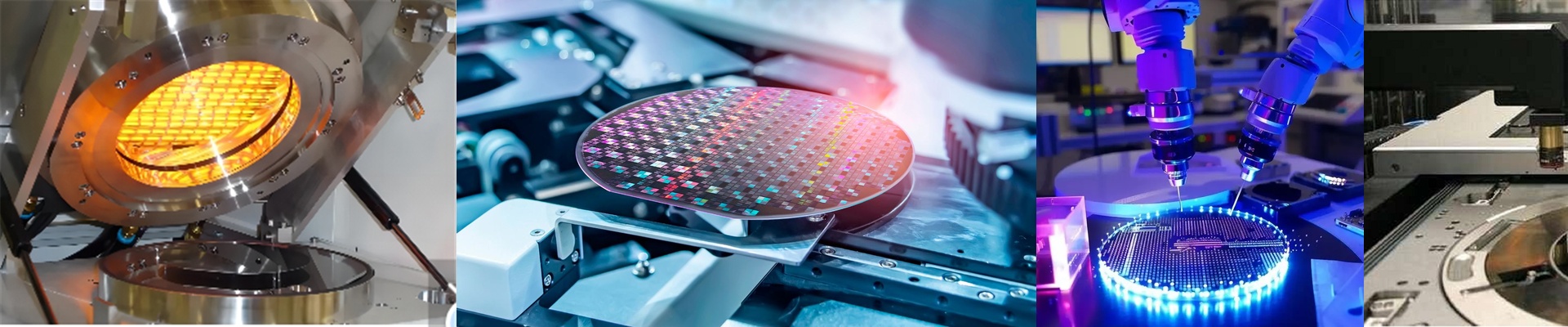
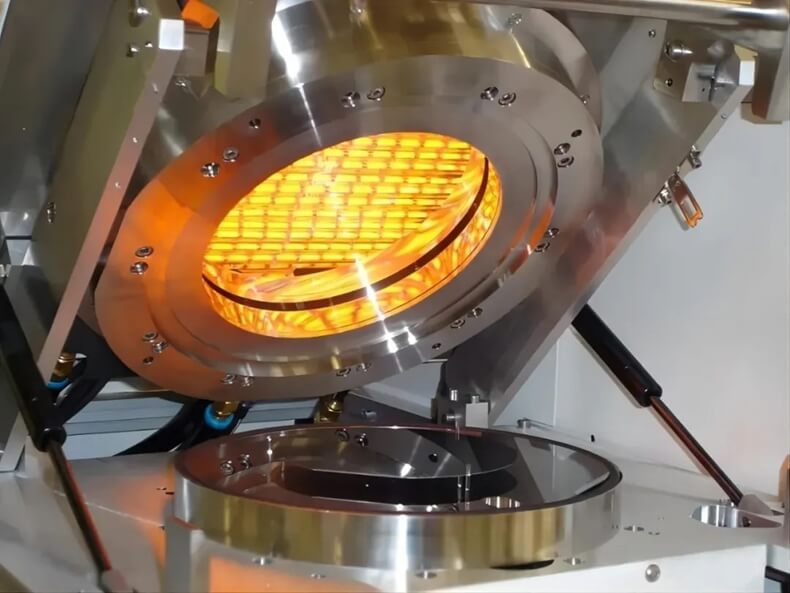
If we actually want to shrink the carbon footprint of semiconductor fab, we’ve got to stop relying on those old-school resistive ovens. Switching to targeted infrared (IR) heating is the way to go. But here’s the thing: if you want to hit those neutrality goals, you can’t afford to waste energy. That’s where the thermocouple comes in. It’s not just some piece of hardware tucked away in the machine; it’s the heartbeat of the whole system. It keeps you from scrapping expensive wafers and stops energy from just bleeding out into the room.
The Struggle with Sensor Response
We use high-precision thermocouples to keep an eye on the heat flux from those IR lamps. Since IR heating hits almost instantly, your sensor has to keep up. If the thermocouple lags even a little, the PID controller overshoots the mark. And that’s how you end up with “hot spots” on your wafer. Not ideal. Depending on how hot you’re running, we usually go with Type K or Type N. Personally, I lean toward Type N. It handles oxidation and drift way better than Type K when you’re pushing high temps over long, grueling shifts.
Managing the Heat
Fitting these sensors into a “Green Factory” setup is all about managing heat density. Those high-wattage IR lamps pack a massive punch in a tiny space, but they also throw off a ton of radiant heat. If you aren’t careful, that heat will fry your nearby wiring. We make sure to shield the thermocouple leads. Why? Because the EMI from the lamp power supplies can mess with your millivolt readings, and that’s a headache you don’t need. Then there’s the placement. It’s a bit of a balancing act. Put the probe too far away, and you get a lag in your readings. Put it too close to the lamp, and the sensor just soaks up the radiant energy, giving you a “false high” that isn’t actually there.
The Reality of Precision
Let’s be honest: there’s no such thing as a perfect sensor. High-precision thermocouples give you the data you need to cut carbon, but they’re high-maintenance. They need frequent calibration. As they take a beating from constant thermal cycling, they start to drift. If you don’t stay on top of a strict calibration schedule, all those energy savings you worked so hard for will vanish, simply because a drifting probe is forcing your heater to run inefficiently.