
Getting Heat Right in a Vacuum: The IR Approach
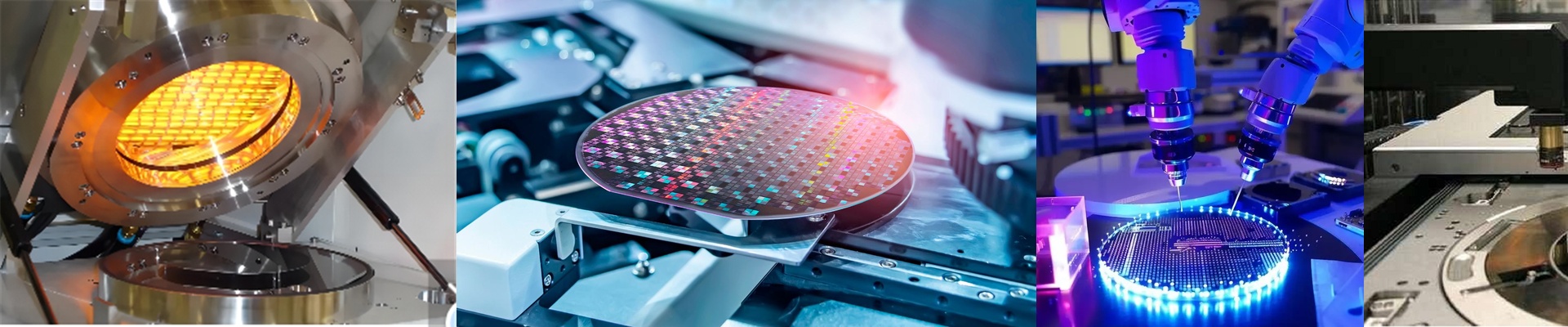
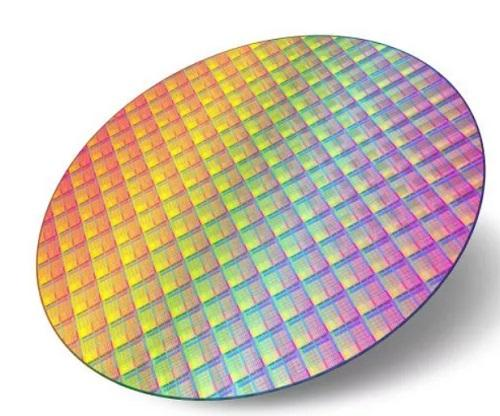
When you’re working with semiconductor wafers, the last thing you want is a speck of dust or a stray molecule ruining a batch. But you still need heat. The problem? You can’t just blow hot air around in a vacuum. There is no air. That’s where vacuum-compatible IR heaters come in. Instead of trying to warm up the environment, we just beam radiant energy directly onto the target. It’s clean, it’s direct, and it doesn’t mess with your vacuum.
The physics of it (without the textbook)
Since you can’t rely on convection, radiation is your only tool. We usually go with shortwave IR lamps. Why? Because they punch through the material much faster than longwave options. When we’re picking these for your tools, we’re looking at power density. We use high-wattage quartz elements that can get you to your target temperature in a matter of seconds. **It’s fast. Really fast.**And that changes everything for your cycle time. When you aren’t waiting around for things to warm up, you’re using less electricity per wafer. Simple as that.
The “Gotchas”: Materials and Outgassing
You can’t just use any old lamp here. Standard glass is a nightmare in a vacuum—it’ll either crack under the stress or “outgas,” releasing impurities that kill your yield. We stick to high-purity synthetic quartz. We also use tungsten filaments so the lamps don’t just pop during those rapid heat-up and cool-down cycles. Even the seals and connectors have to be vacuum-rated. One tiny leak and your chamber pressure crashes, and suddenly you’ve got a very expensive paperweight. But here is the thing you really have to watch:heat soak. Since there’s no air to carry the heat away from the lamp housing, the chassis takes a beating. If your water-cooling jackets aren’t specced correctly, you’re going to warp your chamber seals. It’s a headache you definitely want to avoid.
Cutting the Carbon (and the Cost)
Most old-school setups use resistive furnace heating. That means you’re heating up a massive hunk of inert steel just to get the wafer warm. It’s a huge waste of energy. By switching to targeted IR, we only heat what actually needs to be hot. You’re ignoring the rest of the chamber and focusing entirely on the wafer. Less thermal mass means fewer kWh per batch. It’s a straightforward way to make the fab “greener” without sacrificing a shred of performance.