
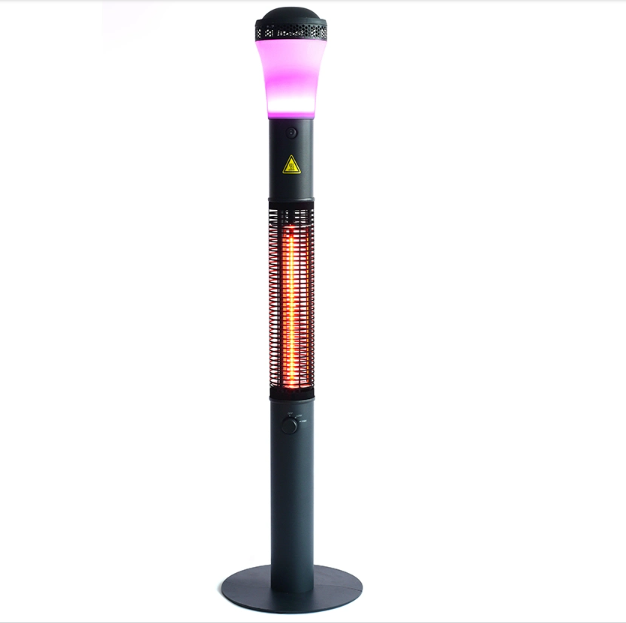
Don’t Roast Your Ceiling: A Guide to Infrared Heaters
If you’re putting infrared heaters in an outdoor dining area, you’ve got to get the spacing right. It’s a balancing act. If you mount a high-powered unit too close to the ceiling or an overhang, you aren’t just wasting energy—you’re risking a scorched roof.
The deal with ceiling clearance
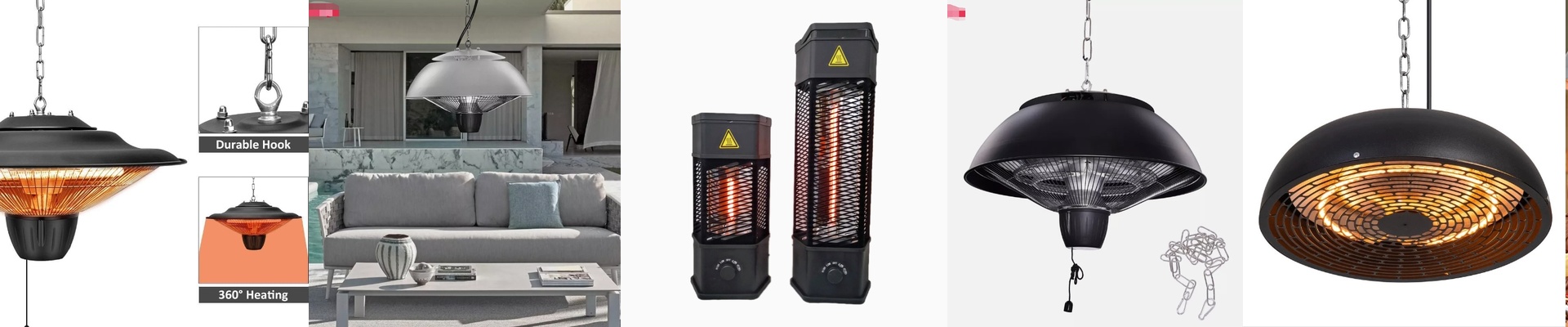
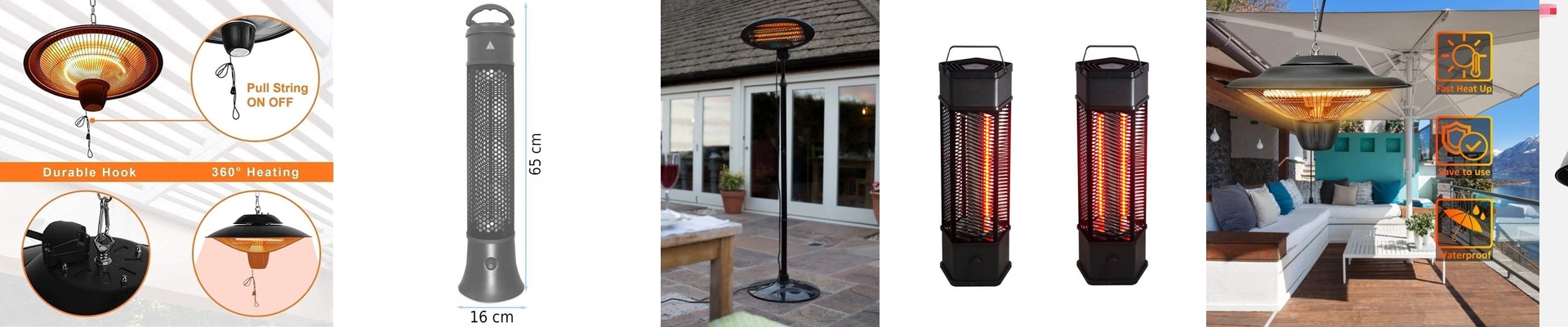
Here is how it works: infrared energy travels in a straight line until it hits something. When you’re picking a spot for a ceiling mount, the gap between the heater and the roof determines everything. If that gap is too tight, heat gets trapped. It creates this hot pocket of air that can actually trick the heater’s sensors into thinking it’s overheating. Then, the unit just shuts itself off right when your guests are starting to freeze. Usually, you want about 18 to 36 inches of breathing room. It depends on the wattage, but giving the unit space keeps the airflow moving and ensures the heat actually hits the customers, not the rafters.
Keeping the seats full
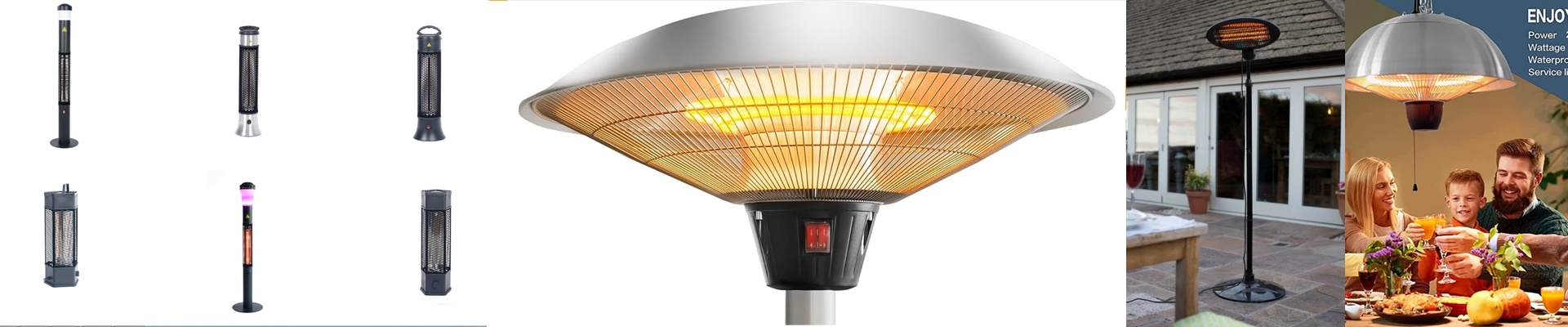
We’ve all seen it. As soon as the temperature drops, the outdoor patio becomes a ghost town. But when you set up a grid of shortwave heaters, you’re basically creating little pockets of sunlight. It feels great. Your guests stay warm even when it’s freezing outside, which means you keep making money on those tables. The best part? It doesn’t feel like that stifling, heavy heat you get from old-school gas blowers. Shortwave tech hits your skin and clothes instantly. It’s a much more natural feel.
The electrical side of things
Now, for the less glamorous part: the power. High-output heaters move a lot of heat, but they pull a ton of current. You have to make sure your electrical panel can actually handle several 2kW or 3kW units running at once. If your wiring is too thin, you’ll get voltage drops. That kills your efficiency and makes the heaters underperform. To keep things simple and avoid tripping a breaker right in the middle of the Friday night dinner rush, we usually suggest a dedicated circuit for every four units. It’s a small detail that saves you a massive headache later.