


Stop Letting Your Heating Elements Ruin Your Wafers
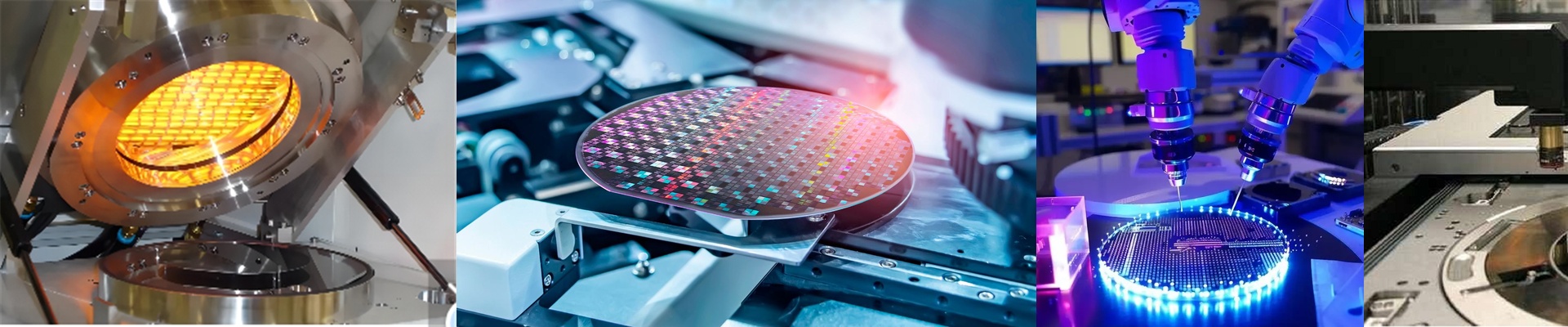
If you’re running a Class 100 cleanroom, you already know the nightmare. One single microscopic particle lands on a wafer, and suddenly your yield takes a dive. The problem is usually the heating elements. Most standard lamps outgas or shed tiny bits of debris right when you need them to be cleanest. We decided to fix that by switching to high-purity synthetic quartz for our IR lamps. Why the quartz actually matters We use fused silica with almost zero impurities. Why? Because it stops the lamp from leaching metallic ions or spitting out particles when things get hot. Think of the quartz envelope as a tight, hermetic seal for the tungsten filament. We also ditched the organic glues and cheap ceramics you find in basic assemblies. That means when you first fire these up in a vacuum, you won’t see that annoying “smoke” or outgassing. It just works. Heat where you actually want it In wafer tools, you need to ramp up fast and keep the temperature dead-on across the whole surface. Our IR lamps push energy into the shortwave spectrum. Instead of wasting time heating up the air around the wafer, the heat goes straight into the silicon substrate. It’s fast. Really fast. And that makes your PID control way tighter. The “Gotchas” and how to handle them The good news is these are drop-in replacements. You don’t have to mess around with your mounting brackets or redesign your hardware. But here’s the thing: these lamps pack a lot of heat density. That puts a real strain on your cooling manifolds. If your chilled water loop isn’t beefy enough to handle the peak wattage, the housing will overheat. If that happens, your filaments are going to burn out way sooner than they should. A couple of pro tips to keep things running: Check your reflector alignment every 500 hours. Even a tiny shift in the mirror angle creates hot spots, and that’s a quick way to ruin a whole batch. Also, when you’re cleaning the quartz, stick to electronic-grade isopropyl alcohol. Anything else leaves a residue that bakes onto the glass, and once that happens, you’re back to square one.