
Getting Your Heat Right in a Smart Fab
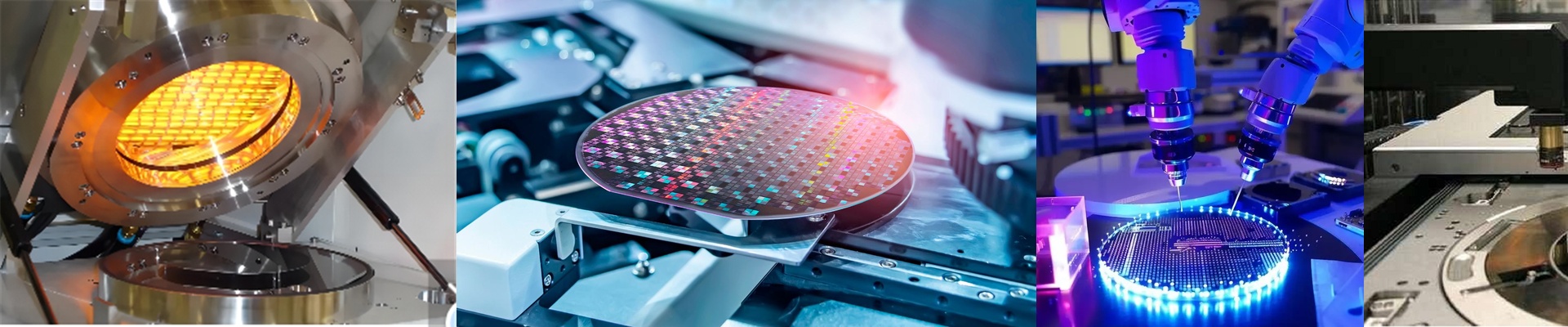
If you’re building a Smart Fab for Industry 4.0, you’ve probably realized that the old “set it and forget it” approach to heating just doesn’t cut it anymore. Digital production moves too fast for that. Standard resistive heating is honestly too sluggish. That’s why we lean on high-efficiency infrared (IR) systems. They’re snappy. They respond instantly. It’s the difference between waiting for a room to warm up and feeling the sun hit your face the second you step outside. Making Heat “Digital” To really get the most out of a digital twin, your thermal process needs to keep up. IR systems are perfect here because the heat transfer is basically instantaneous. You can tweak the power in real-time based on what your sensors are telling you. It creates this tight, fast loop between your PLC and the heating element. For those of us dealing with semiconductor wafers, this is the only way to hit those razor-thin tolerances without burning through KWh while the machine just sits there idling. Saving Energy (and Your Sanity) Here is the best part: IR heats the target, not the air around it. That’s a huge win for your cleanroom HVAC. Since the energy is focused, you aren’t soaking the entire machine frame in waste heat. You get faster ramp-up times, which means you spend way less time staring at a timer during batch transitions. It just flows better. The Trade-offs Now, it’s not all magic. There are some real engineering hurdles. High-density IR arrays pull a lot of power. If you go with high-wattage shortwave lamps, your electrical panels need to be ready for some serious current spikes. And please, double-check your cooling manifolds. If the cooling fails, those IR lamps can get aggressive enough to melt the housing or ruin a wafer substrate. It’s a high-performance tool, so you have to treat it with respect. We usually design these to be drop-in replacements for those clunky legacy heaters. As long as your control logic can handle the faster switching speeds, you’re golden. It’s a straightforward way to turn an old-school line into a lean, digitized operation.