Stop Letting the Cold Kill Your Patio Profits
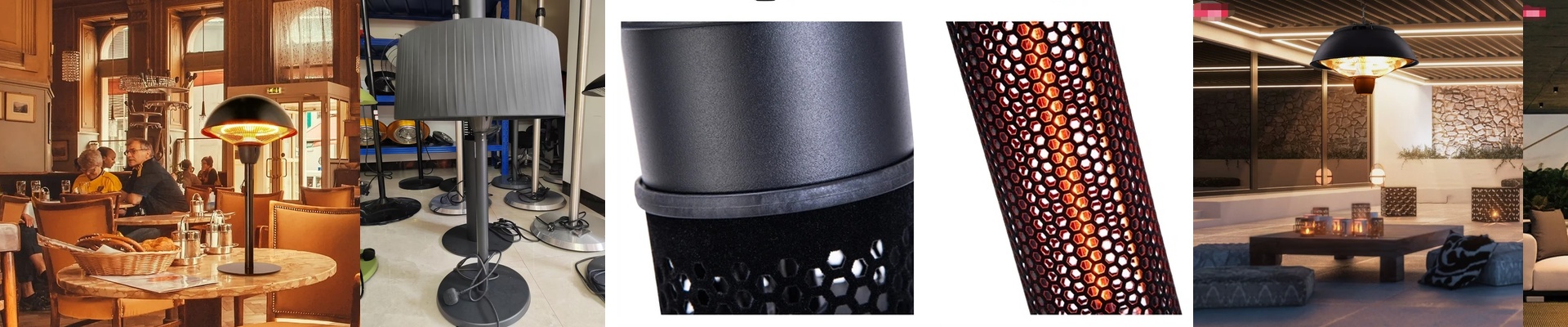
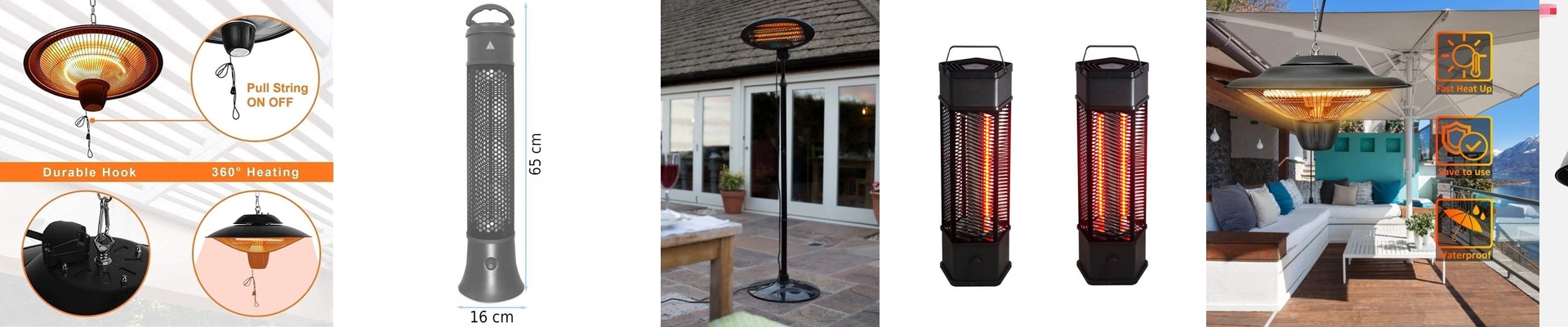
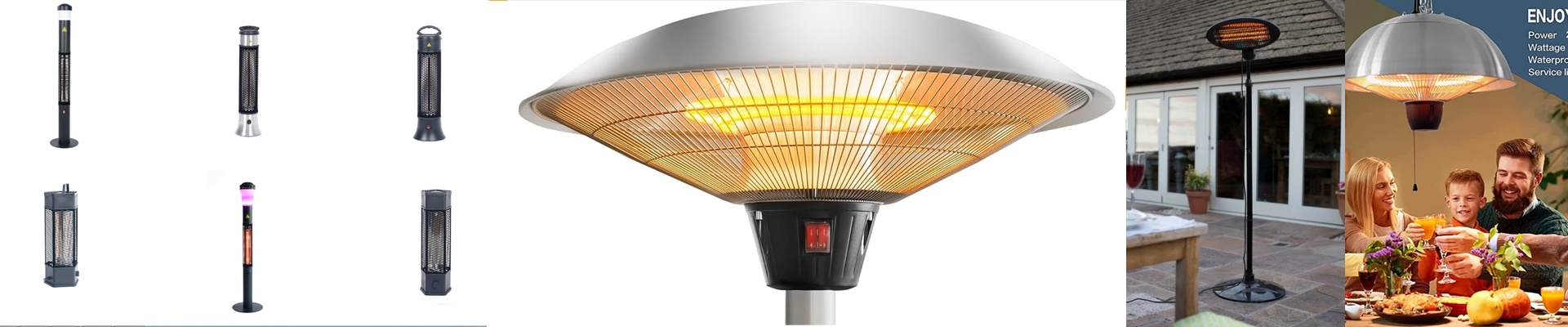
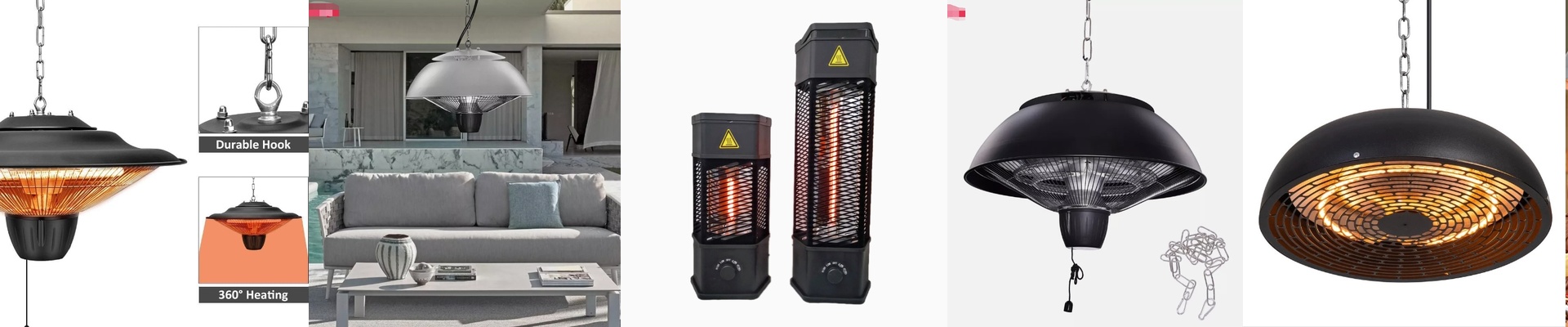
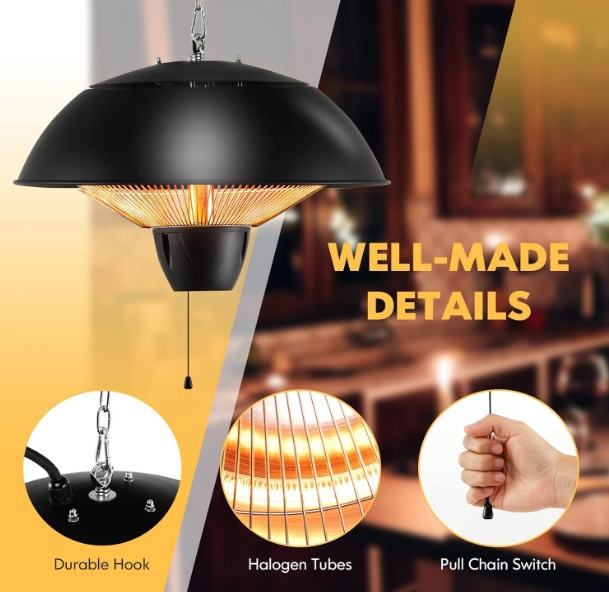
It’s a frustrating cycle. You’ve got a beautiful outdoor space, but the second the temperature drops, your guests scramble for the indoors. You’re losing money simply because it’s too chilly to sit outside. We fix that with waterproof infrared heaters built specifically for pergolas. Here is the secret: most heaters try to warm up the air. That’s a waste of money because the wind just carries the heat away. Infrared is different. It beams heat directly onto your guests and their chairs. It feels like sitting in the sun on a crisp autumn day. The nitty-gritty on how it works For pergolas, we stick with shortwave technology. These units run hotter, which means the heat can actually punch through a cold breeze without disappearing. But you can’t just slap any heater up there. You need a high wattage-per-square-meter ratio to keep that “warm bubble” stable. We also make sure everything is IP65 or IPX4 rated. In plain English? They’re waterproof. Rain or heavy condensation won’t fry your wiring. The gear we use The heating elements are tucked inside hard-pyrex quartz glass. We use a special coating on the tubes so you don’t get that blinding, harsh glare. Nobody wants to eat dinner while staring into a spotlight. The frames are powder-coated aluminum or stainless steel. This keeps them from rusting or pitting when the humidity hits. One heads-up on the electrics: these things pull a lot of power. If you’re putting ten units across a patio, your electrical panel needs plenty of breathing room. Otherwise, you’ll be tripping breakers right in the middle of the dinner rush. Making it pay off When you get this right, your seasonal patio becomes a year-round money maker. Guests stay longer, they order another round of drinks, and your tables keep turning even in January. But there is a catch. Placement is everything. If you mount them too low, you’ll bake your guests’ heads. Too high, and the wind steals the heat before it reaches the table. We spend a lot of time getting the height and angle just right during the install so you don’t end up with “dead zones” where people are still shivering.