
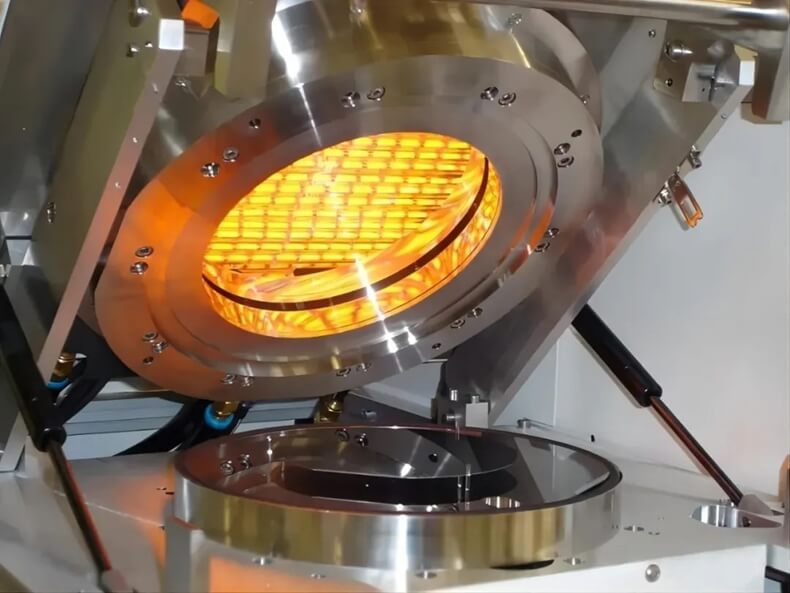
Why IR Curing Actually Works for Semiconductor Standards
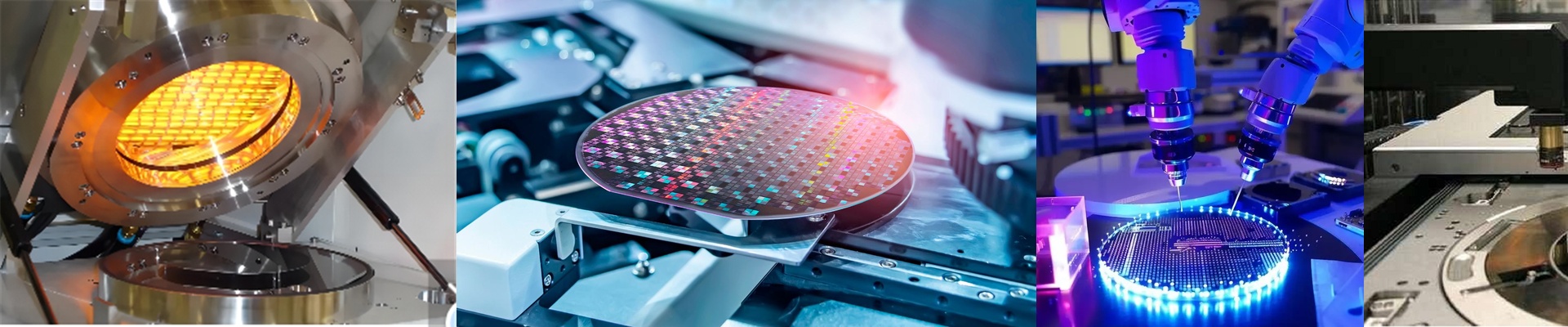
When you’re working in semiconductor fab, the stakes are high. You need your drying and curing processes to be spotless—zero residue, tiny carbon footprint. The old way? Convection ovens. But let’s be honest: heating up all that air is a waste of energy. Worse, it’s a gamble with your cleanroom’s purity. That’s why we stick with infrared (IR) heating in our gloveboxes. Instead of warming the air, IR uses electromagnetic radiation to hit the substrate directly. It’s a straight shot. The gas around it stays out of the equation.
Getting “Green” Curing Right
If you’re aiming for lead-free or “green” drying, IR is the way to go. You don’t have to mess around with chemical solvents or fuels that pump out emissions. Here is the cool part: short-wave and medium-wave IR emitters actually penetrate the material. They trigger that cross-linking reaction in resins or kick solvents off wafers in seconds. Not hours.**Seconds.**It completely changes the pace of the workday.
The Nitty-Gritty of Glovebox Setup
Fitting these elements into a glovebox isn’t just “plug and play.” It takes some precision. Depending on how fast you need the temperature to ramp up, we usually go with quartz-halogen tubes or ceramic emitters. They pack a ton of heat into a very small space. But there’s a catch. You have to match the wavelength to what your material actually absorbs. If you get this wrong, the energy just bounces off the surface like a mirror. We fix this by calibrating the coating on the emitter. We shift the emission peak so the wafer drinks up the heat, rather than the glovebox walls taking the hit.
The Trade-off You Need to Watch
Now, here is the reality check. High-intensity IR elements put out a massive amount of heat flux. Yeah, it makes production fly, but it puts your glovebox cooling system through the wringer. If your heat exchangers aren’t up to the task, your ambient temperature will spike. Before you know it, you’ve got warping plastic seals or safety alarms screaming in your ear. You’ve got to find that sweet spot. Balance the wattage of your element with the CFM of your cooling loop. That’s the only way to keep the environment stable and your head from aching.