
How to Handle Heating in a Class 100 Cleanroom Without the Mess
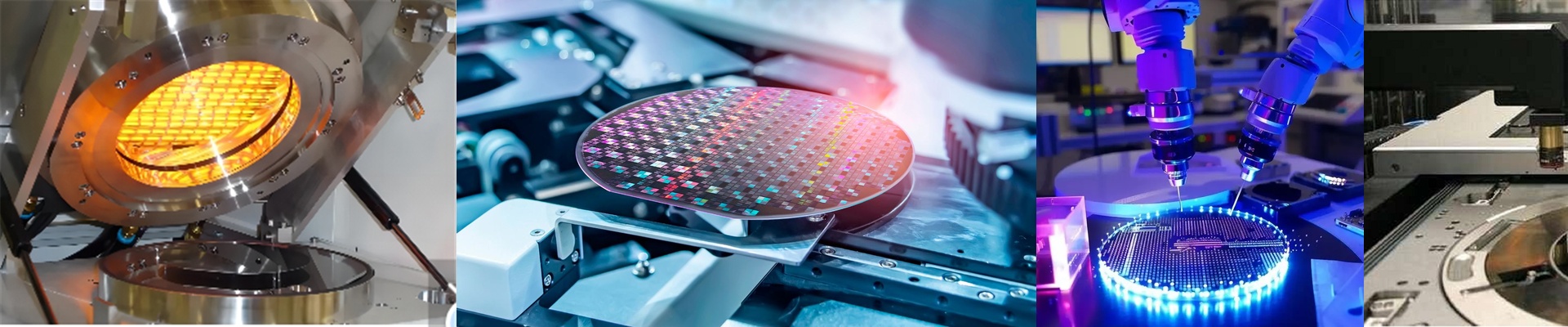
Let’s be honest: putting a heater in a Class 100 cleanroom is a bit like bringing a bag of glitter to a surgery. It’s risky. Most standard heating elements are a nightmare for ISO 5 environments—they shed particles, leak weird gases, or just start flaking off layers of oxidation. That’s why we stick with high-purity synthetic quartz infrared lamps. They’re built specifically for those dust-free production benches where there’s zero room for error.
Why Quartz?
We use high-grade fused silica quartz because it just doesn’t shed. Unlike those metal-sheathed heaters that peel over time, these quartz tubes stay put. The heating filament is sealed tight inside the glass, so nothing escapes into your air. The cool part? It uses short-wave infrared radiation. This means you’re heating your workpiece directly. You aren’t wasting energy heating up the air or the bench itself, which keeps your whole environment stable. It’s clean. It’s precise.
Getting the Power Right
Depending on how much space you have, we’ll help you pick the right wattage and voltage. If you go with high-wattage tubes, you get an intense blast of heat. It’s fast. Really fast. But here’s the thing: all that heat has to go somewhere. If you don’t have a cooling system that can handle the ambient rise, you might find your precision fixtures starting to warp. It’s a balancing act.
Setting It Up
We use standard connectors so these are basically drop-in replacements. Whether you’re running R7s or Sk15, we make sure the fit is snug. You don’t want any electrical arcing. Why? Because arcing creates ozone and tiny bits of metallic debris. One spark like that and your cleanroom certification is basically gone. One more tip: use a rigid mounting bracket. If the tube vibrates or rubs against the housing, the quartz will get scored and eventually crack. Keep it still, and it’ll last.
The Trade-off
Quartz is chemically inert and incredibly clean, but it’s also brittle. It can’t take a hit. If your team is swapping parts in and out quickly, don’t leave the lamp exposed. Throw a high-transmittance glass shield over it. It protects the lamp from a clumsy hand without blocking the IR heat. Simple fix, big peace of mind.