
Why we switched from hot air to IR for semiconductor drying
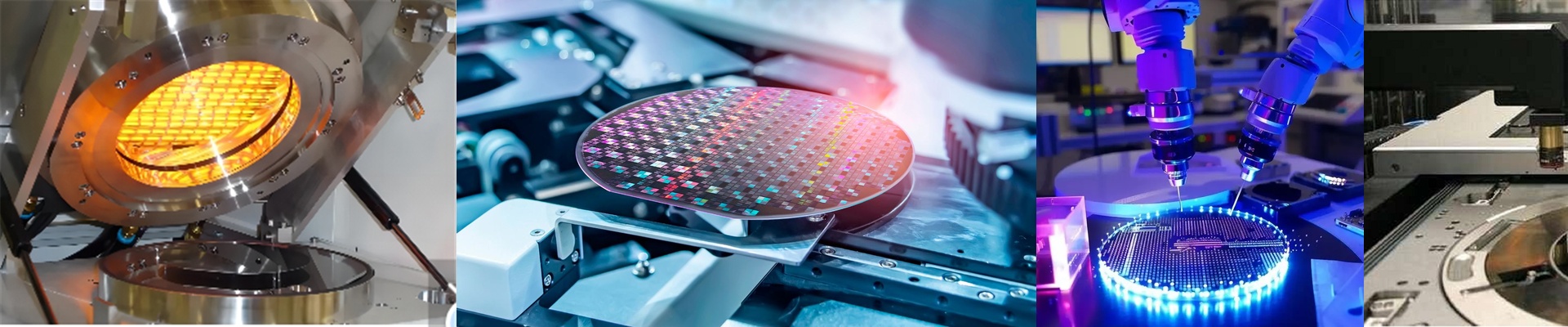
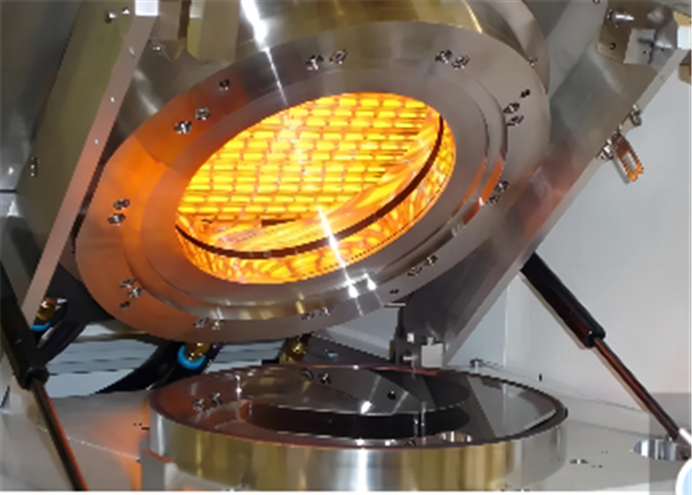
If you’re still using hot air circulation for semiconductor finishing, you’re basically playing a waiting game. Think about how it works. You have to heat up the entire chamber—every cubic inch of air—before the part even begins to dry. It’s slow. It’s clunky. Infrared (IR) is a completely different beast. Instead of warming the air, it sends energy straight to the surface. It hits the part instantly. No waiting around for the room to get warm. Stop the bottleneck We’ve all seen it: water clinging to wafers and components during the rinse stage, slowing everything down. When you rely on hot air, the dwell time is a killer. It creates a massive bottleneck in the line. That’s why we use waterproof IR lamps. You can basically blast the surface with targeted energy. The ramp-up is fast. The cycles are shorter. Suddenly, the drying stage isn’t the part of the process everyone hates—it’s where you actually make up time. Dealing with the mess Here’s the catch: standard IR lamps hate water. In a rinse environment, moisture and thermal shock usually kill them pretty quickly. To fix that, we use specialized quartz envelopes and waterproof seals. It keeps the vapor away from the electrodes so the lamps don’t just burn out the moment things get damp. But you have to be careful with the settings. If you crank up the wattage but keep your conveyor moving slow, you’re going to overheat your substrate. It’s all about finding that sweet spot between power and line speed. The trade-offs The best part? Your floor space opens up. You can toss the bulky blowers and all those annoying ducts. But remember, IR is line-of-sight. It can’t “see” around corners. If your parts have weird shapes or deep pockets, you’ll get cold spots. You can’t just slap these lamps in and hope for the best. You have to map out the heat and angle the reflectors just right to make sure every single drop of water is gone.