


Stop Wasting Heat: Why Gold-Coated Reflectors Actually Matter
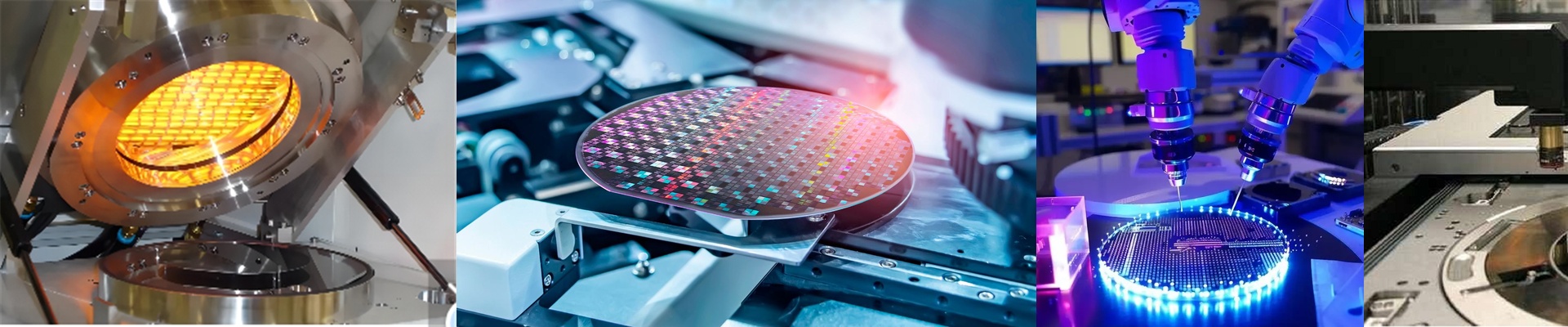
If you’re heating silicon wafers, you know the struggle. Every watt counts. But with standard reflectors, a lot of that expensive energy just bleeds right into the machine chassis. It’s a waste. That’s why we use gold-coated reflectors. Instead of letting that heat wander off, gold pushes the infrared radiation exactly where it needs to go: straight onto the wafer. Why gold? Simple. Gold is just better at bouncing infrared light than aluminum or polished steel. By putting a precise layer of gold on the lamp housing, we stop the machine from soaking up the heat. More photons from the carbon fiber filament actually hit the target. You get the temperatures you need without having to crank the voltage and stress your system. But it isn’t just about the shiny coating. It’s about the shape. We design these reflectors to focus the beam. Instead of a vague, blurry cloud of heat, you get a concentrated thermal zone. This means your ramp-up times get faster and the temperature stays consistent across the whole wafer. If you’re seeing “cold spots” around the edges of your wafers, your reflector geometry is probably the problem. Now, there’s a catch. When you concentrate that much heat into a small area, your cooling system has to work harder. If your airflow isn’t set up to handle the heat bouncing back toward the lamp ends, you’re going to fry your connectors or kill your filaments way too early. One last tip: keep an eye on your thermal sensors every 500 hours. Gold is tough, but it hates dust and chemical vapors. If the coating gets dirty, the reflectivity drops, and your lamps have to run hotter to make up for it. Keep them clean. It’s the easiest way to make sure you’re getting every bit of efficiency you paid for.