
Getting Your Heat Right in a Vacuum Chamber
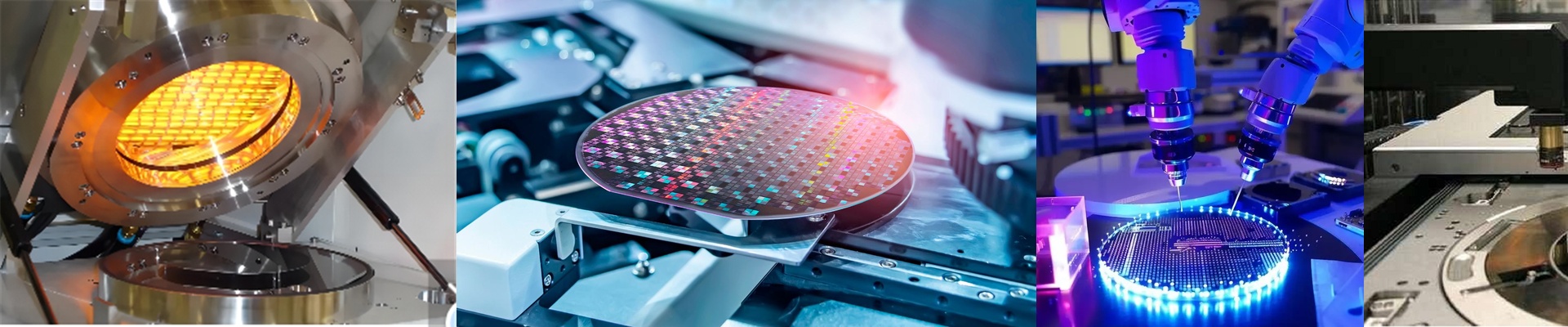
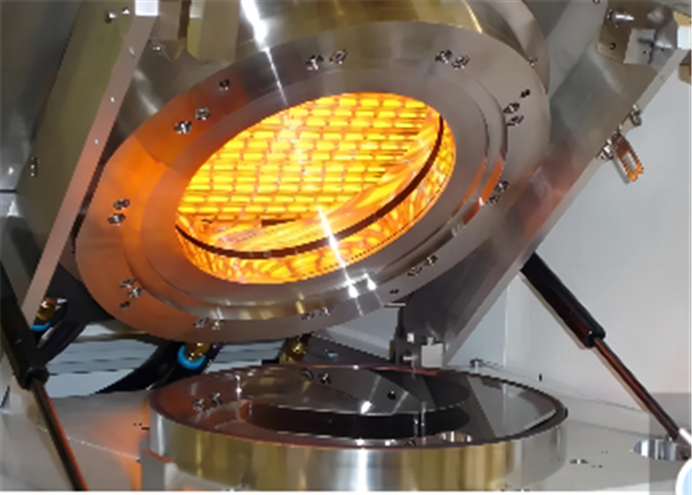
If you’re building a smart fab for Industry 4.0, you’ve probably realized that old-school analog heating just doesn’t cut it anymore. You need actual data. You need to know exactly what’s happening inside that chamber. The tricky part? In a vacuum, you can’t rely on air to move heat around. Convection is gone. That’s why we lean on infrared (IR) radiation. It’s the only way to shoot energy directly into your substrate without needing a medium to carry it.
Making Heat “Digital”
To get your production line talking to your PLCs, your heating elements need to play nice with power controllers. We use short-wave IR lamps for a simple reason:**they’re fast.**They react almost the second you tweak the voltage. When you pair those with pyrometers in a closed-loop system, the guesswork vanishes. No more crossing your fingers during ramp-up or soak cycles. You just see the thermal profile happen in real-time.
The Vacuum Struggle
Here is the thing about working in a vacuum: heat has nowhere to go. If you just throw a high-wattage system in there without thinking about the layout, you’re going to bake your chamber walls. It’s a mess. We spend a lot of time obsessing over the emissivity of the lamp coatings. The goal is to make sure the energy hits the wafer, not the housing. And you have to find a balance with power density. Sure, a high-density array speeds things up, but it puts a massive strain on your power supply and cooling manifolds. If your cooling isn’t up to the task, your temperature setpoints will start to drift, and then you’re back to square one.
Moving Past “Set and Forget”
Digitalization is really just a fancy way of saying we’re done with timers. With modulated IR systems, you can track every single bit of energy delivered to a batch. That’s your new baseline for quality control. We’ve designed these to be simple drop-in replacements for those clunky old resistive heaters. They take up less space and they’re way faster. But the real win? You get tighter tolerances and a documented thermal history for every single part that goes through the chamber. You actually know what happened to your product.