
Keeping Your Bathroom Infrared Heaters Safe (and Dry)
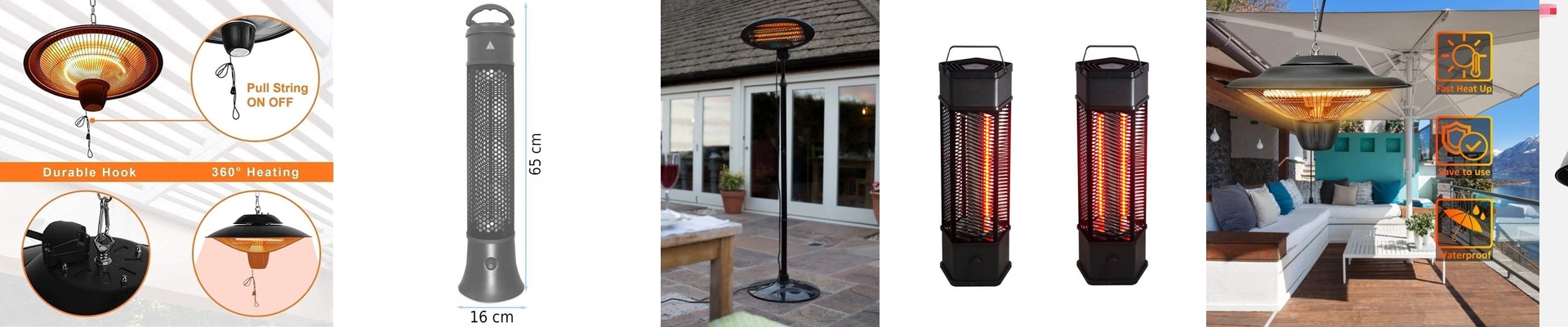
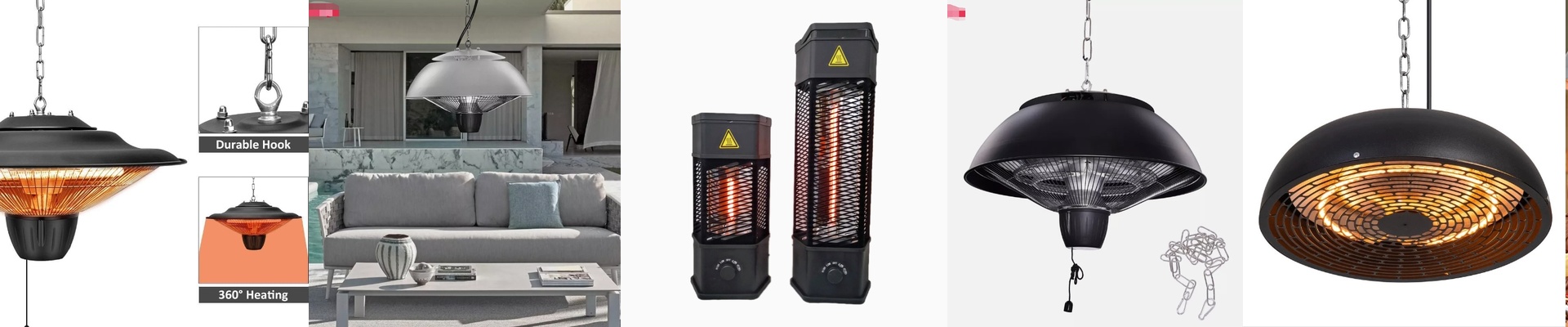
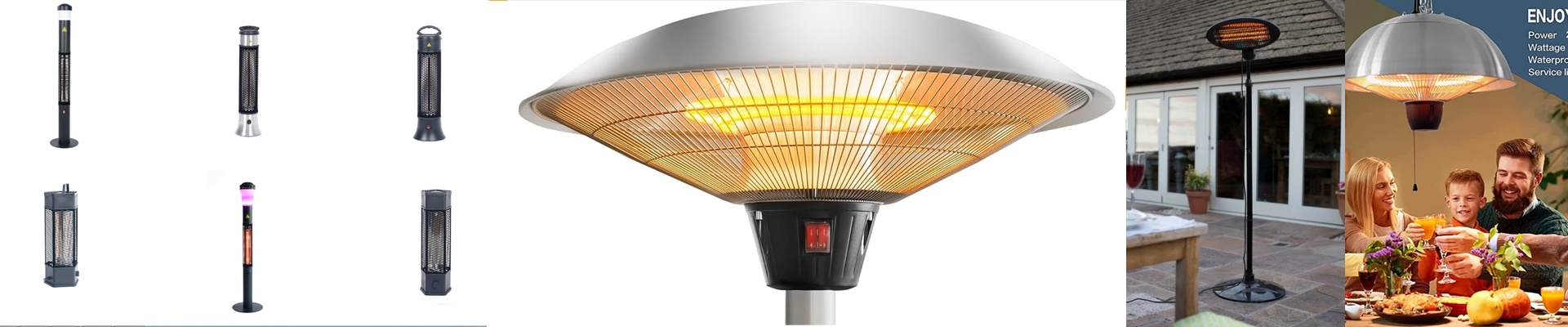
Putting infrared lamps in a bathroom with high ceilings looks great, but it’s a bit of a gamble if you aren’t careful. You’re dealing with two things that electricity absolutely hates: thick steam and direct splashes of water. If you want a setup that’s actually safe, you can’t just throw a standard light fixture up there and hope for the best. You have to think about every single piece of the puzzle, from the wall plug all the way to the glass tube. Dealing with the damp Steam is sneaky. It finds every little gap. That’s why we stick with IP65-rated enclosures—basically, housings that are sealed tight enough to keep moisture from creeping toward the live wires. The real danger zone is usually where the wiring actually hits the lamp. That’s where things tend to fail. To stop water from “wicking” its way into the circuitry, we use silicone gaskets and heat-shrink tubing with an adhesive lining. It creates a physical wall that water just can’t get past. We also make sure the insulation is overkill. We aim for a strength at least twice what the operating voltage requires. Why? Because when the room is full of steam, the risk of an electrical arc jumps. This extra cushion keeps things stable. Picking the right parts Cheap connectors are a disaster in a bathroom. They rust. And once they start to oxidize, the resistance goes up, the heat spikes, and your insulation starts to melt. It’s a nasty cycle. To avoid that, we use nickel-plated or gold-plated contacts. They don’t care about the humidity; they just keep working. Then there’s the quartz glass. It has to be perfect. Even a tiny, invisible hairline crack is a death sentence for the lamp. Steam slips through that crack, hits the halogen filament, and pop—there goes your heater. The tricky part: Heat vs. Water Here’s the thing: you can’t just seal everything in a plastic box and call it a day. If you seal a unit too tight, you trap the heat inside. If that internal temperature spikes too high, the wire insulation gets brittle and starts to crack. It’s a bit of a balancing act. You need that high IP rating to keep the water out, but you also need a smart thermal plan—like a heat-sinked chassis—so the wires can breathe and stay flexible. It’s all about finding that sweet spot where the unit stays dry but doesn’t cook itself from the inside out.