
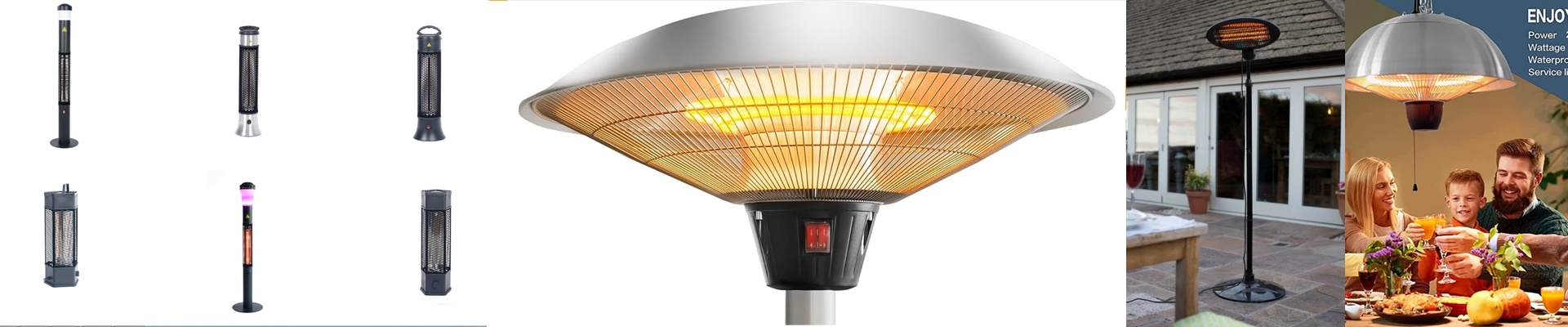

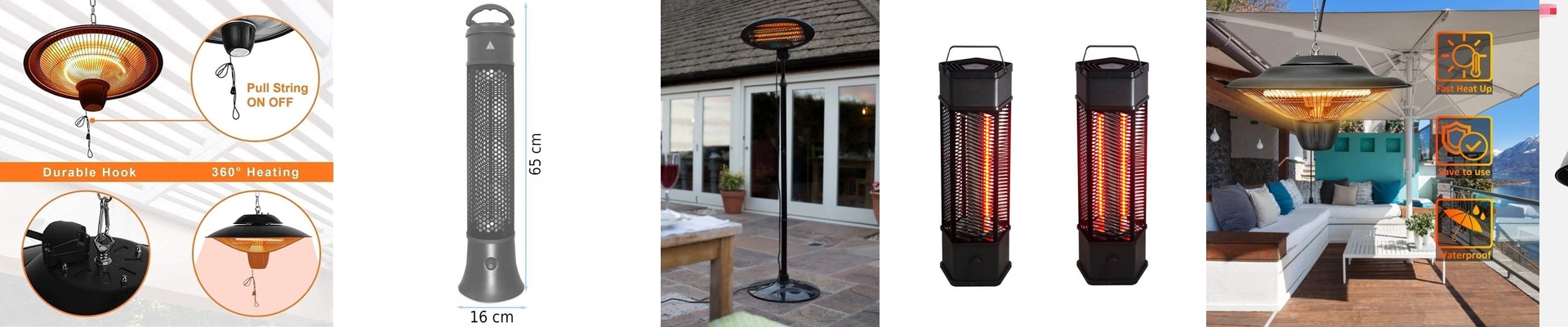
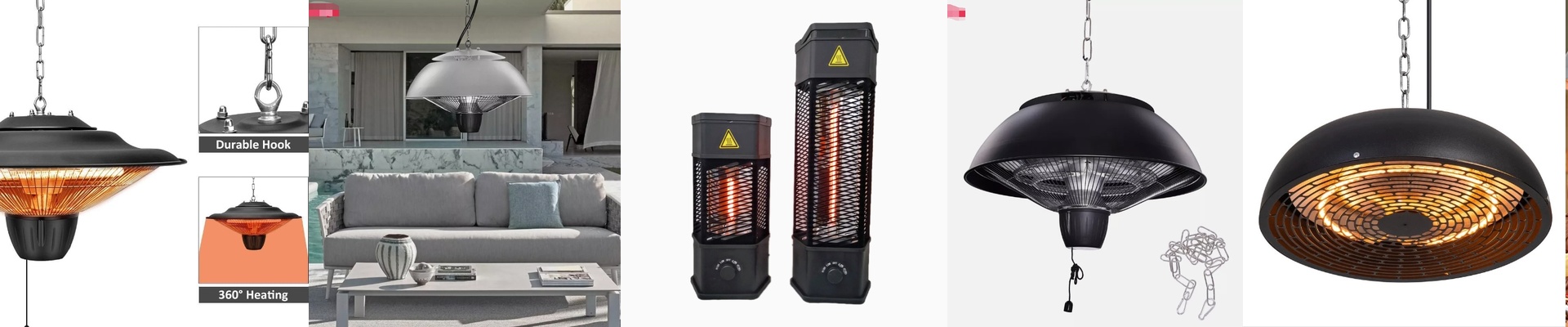
Making a 1500W Ceiling Heater That Actually Lasts
If you’ve ever tried to heat a gazebo or an open-air porch, you know the struggle. You turn on a heater, and the wind just carries the warmth away. It’s frustrating. That’s why we went with short-wave infrared for our 1500W ceiling units. Instead of trying to warm up the air—which is a losing battle outdoors—these heaters beam heat directly onto you and your guests. It feels like standing in the sun on a crisp autumn day. Instant warmth, no matter which way the wind is blowing. The battle against moisture Here’s the thing: putting a heater in a gazebo or a bathroom is basically asking for trouble. Steam, rain, and condensation love to find a way inside, and once they hit the electrical contacts, things go south fast. We don’t just hope for the best. We put our heaters through a “damp-heat” gauntlet. We blast them with extreme humidity and swing the temperatures back and forth to see exactly where the seals give out or the wires start to corrode. If a unit can’t handle 500 hours of saturated air without shorting out? It’s trash. It never leaves the shop. Power and the “Trip” Factor 1500W is a lot of punch. To handle that kind of heat without cracking, we use quartz glass envelopes around the filaments. These can take the shock of being turned on and off rapidly without breaking a sweat. But a quick heads-up: check your breakers. If you’re wiring these into an older gazebo or a dated electrical setup, running a few of these on one line might trip your power. It’s a powerful hit of heat, so make sure your wiring can keep up. Being honest about materials We use special corrosion-resistant coatings on the reflectors to keep the heat pointed down where it belongs. But let’s be real—nothing is permanent. If you live near the ocean or in a place with crazy humidity, salt and moisture will eventually try to pit that surface. Our coating slows that process down, but it’s not magic. A quick wipe-down of the reflector once a season keeps the dust off and ensures you’re getting every bit of heat you paid for. And just a reminder: these are built to survive the rain, but they aren’t submarines. Keep your junctions sealed tight and you’ll be set for years.