

Why your bathroom heater keeps dying (and how to actually fix it)
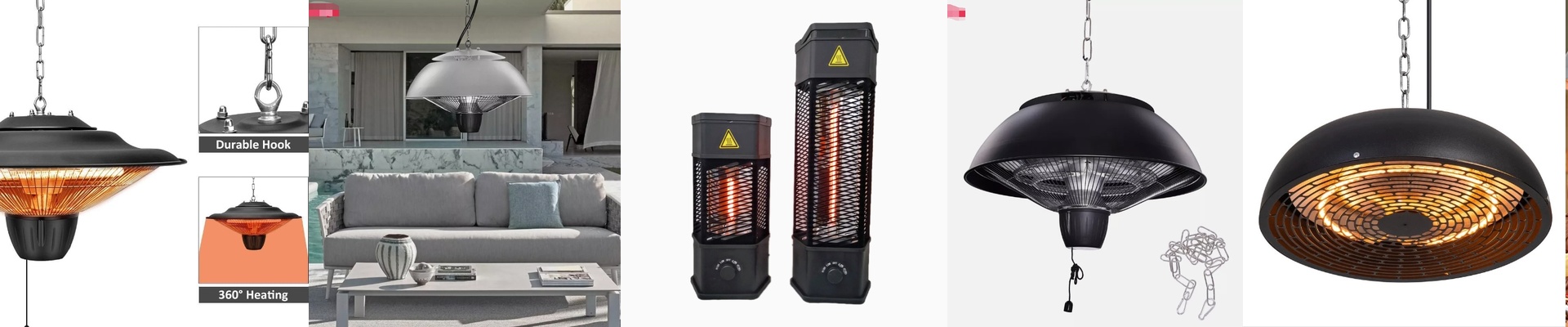
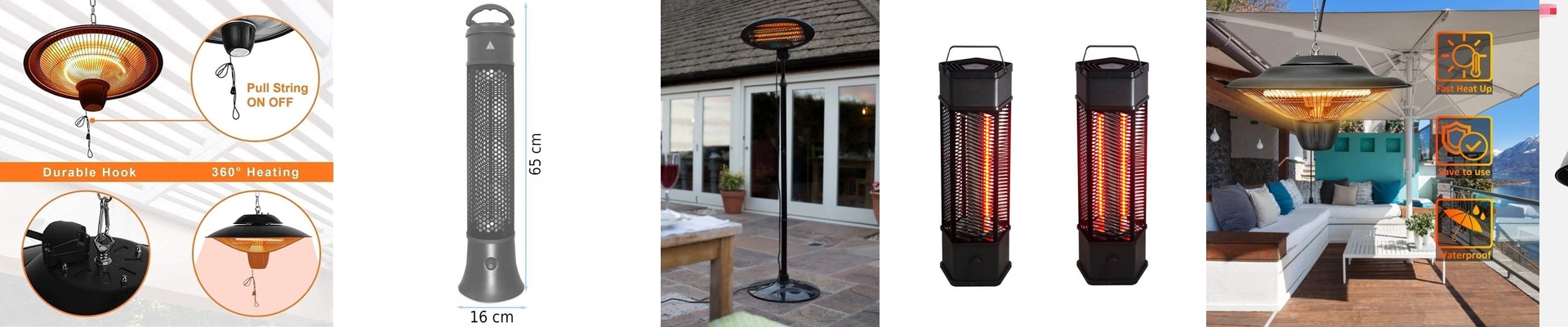
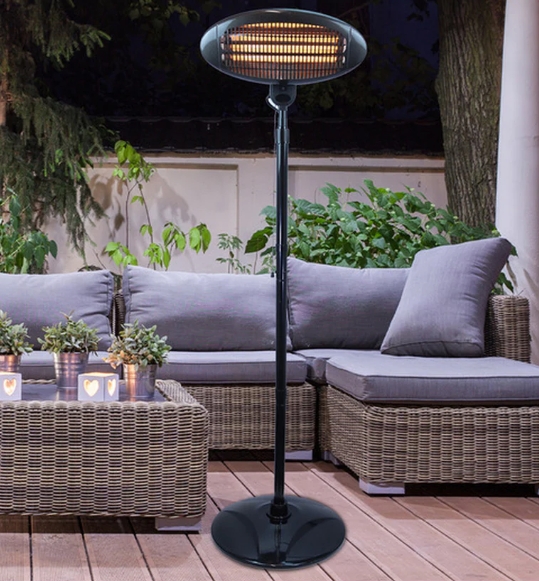
Let’s be honest: most bathroom heaters are a joke. You buy a standard halogen unit, it feels great for a few months, and then—boom. The steam gets inside, the terminals corrode, and the whole thing shorts out. It happens because bathrooms are basically steam rooms, and most heaters just aren’t built for that. That’s why we’ve moved over to IP65-rated infrared heaters. What does “IP65” actually mean for you? In plain English, it means the unit is sealed tight. We’re talking gaskets and reinforced casings that keep dust and water jets out, no matter where they’re coming from. When you’re showering, steam finds every little gap it can. In a cheap heater, that moisture eats away at the wiring. With an IP65 build, the internals stay bone-dry. Your heating element lasts way longer because it isn’t fighting a constant battle against rust and oxidation. The feel of infrared There’s a big difference between “heating the room” and “feeling the heat.” Old-school lamps try to warm up the air. But in a humid bathroom, the air is already heavy and wet, so that warmth just vanishes. Infrared is different. It uses shortwave technology to heat you, not the air around you. The second you flip the switch, you feel that warmth hit your skin. It’s instant. No more shivering while you dry off. A few things to watch out for Installing these is pretty straightforward—you can tuck them into the ceiling or mount them on the wall, and they don’t take up nearly as much space as those bulky old boxes. But here’s the catch: these things put out some serious heat. Because it’s so concentrated, you can’t just slap them anywhere. If they’re too low or too close to something that can burn, you’re going to have a problem. You’ve got to get the mounting height right based on the wattage so you don’t accidentally scorch your ceiling. And one last tip? Check your circuit breaker. These units pull a lot of power the moment they kick on. If your home’s wiring is a bit ancient, you might find yourself tripping the breaker every time you want a warm bathroom. It’s worth a quick check before you start drilling holes.