
Let’s Talk About Semiconductor Heater Wiring and Going Green
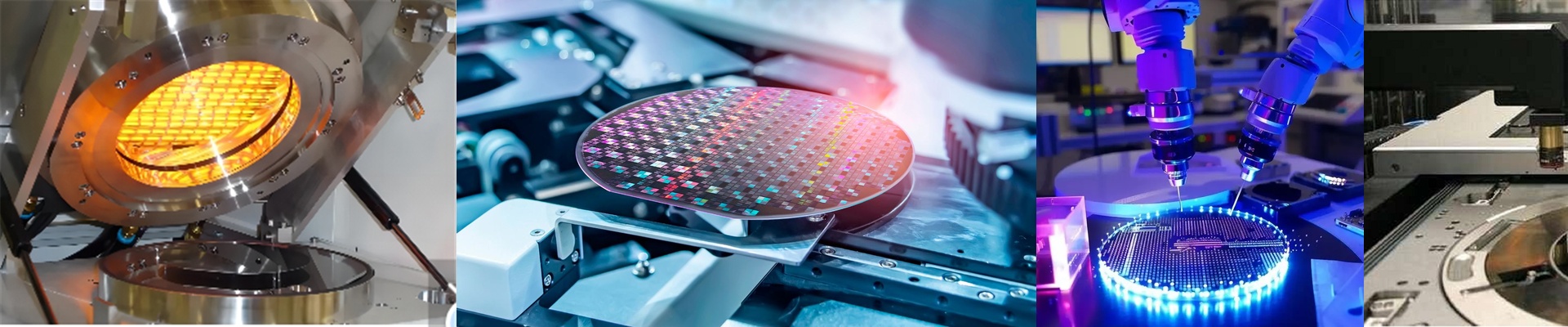
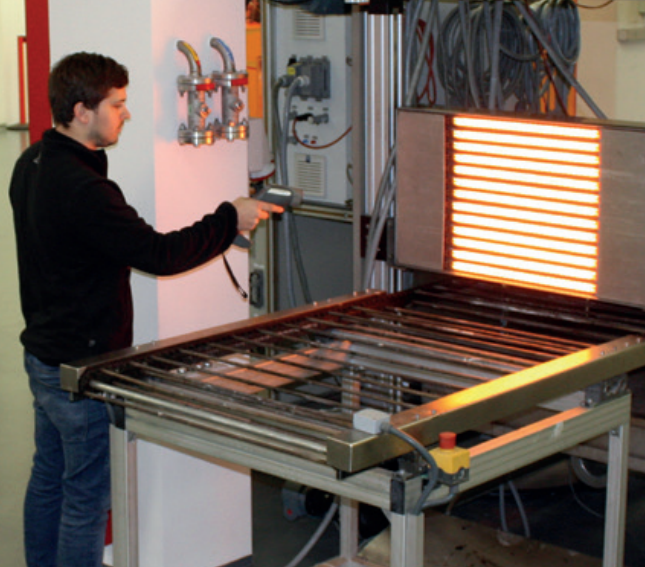
Keeping temperatures precise in a semiconductor fab is a tough job. Now that everyone is pushing for carbon neutrality, the focus has shifted to how we actually heat things up—specifically with infrared (IR) systems. But here is the catch: you can’t just use any old wire. Standard PVC or silicone just won’t cut it. They’ll melt or break down the moment they hit the extreme heat and chemicals used in wafer processing. That’s why we stick with Teflon. Why Teflon? Teflon (PTFE) is a beast. It can handle a constant 260°C without breaking a sweat. In an IR heating array, your wiring is sitting right next to those quartz tubes. If you use the wrong stuff, the insulation melts or starts off-gassing. In a cleanroom, that’s a nightmare—you can’t have random fumes contaminating your wafers. Plus, it’s great for high-voltage leads. It keeps things stable so you don’t have to worry about arcs or shorts when the system is cranking out peak power. Cutting Down the Carbon Footprint If you want to lower a factory’s carbon footprint, you have to stop wasting energy. IR systems are already a win because they use radiant heat—they heat the wafer directly instead of trying to warm up the entire chamber. But we can do better. By using low-resistance Teflon wiring, we cut down on “I²R power losses.” In plain English? Less energy gets wasted as heat inside the cables, and more of it actually hits the wafer. It’s a simple change, but it drops the total kilowatt-hours you’re burning per wafer start. The Trade-offs (Because nothing is perfect) Now, there is a quirk to working with Teflon: it’s stiff. You can’t just bend it into a tight corner like you would with silicone. If you force it, you risk kinking the wire or cracking the insulation. You’ve got to give it a wider bend radius. If you pull it too tight during install, you’re basically building in a future failure point. The good news is that these systems are designed to be drop-in replacements for factories upgrading to “green” standards. You don’t need to tear down the whole chassis. Just swap out the old legacy wiring for high-spec PTFE, tweak the IR lamp density, and you’ve suddenly got a much leaner, cleaner tool.