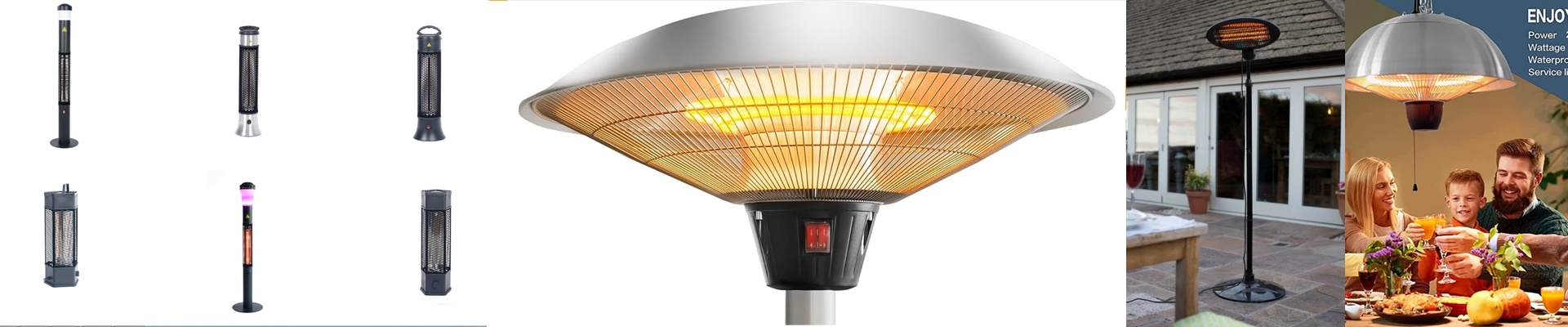

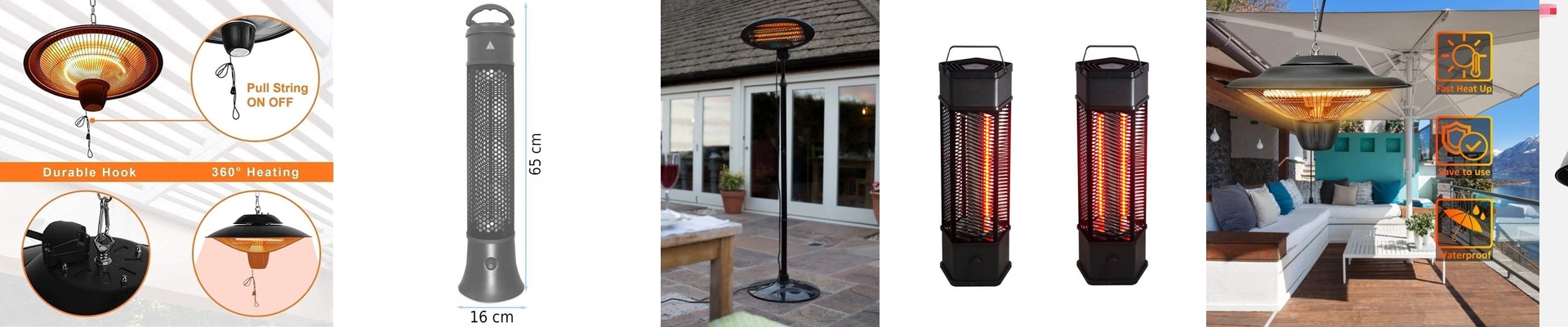
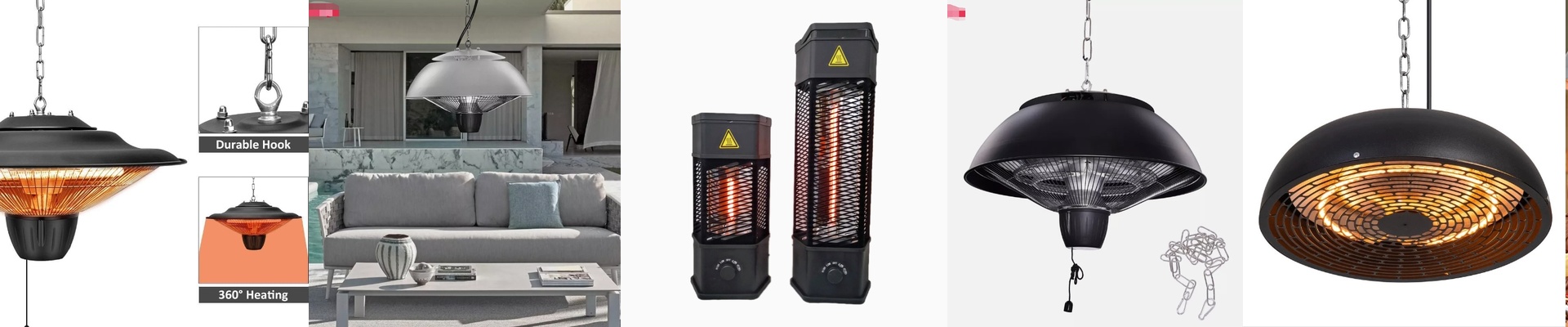
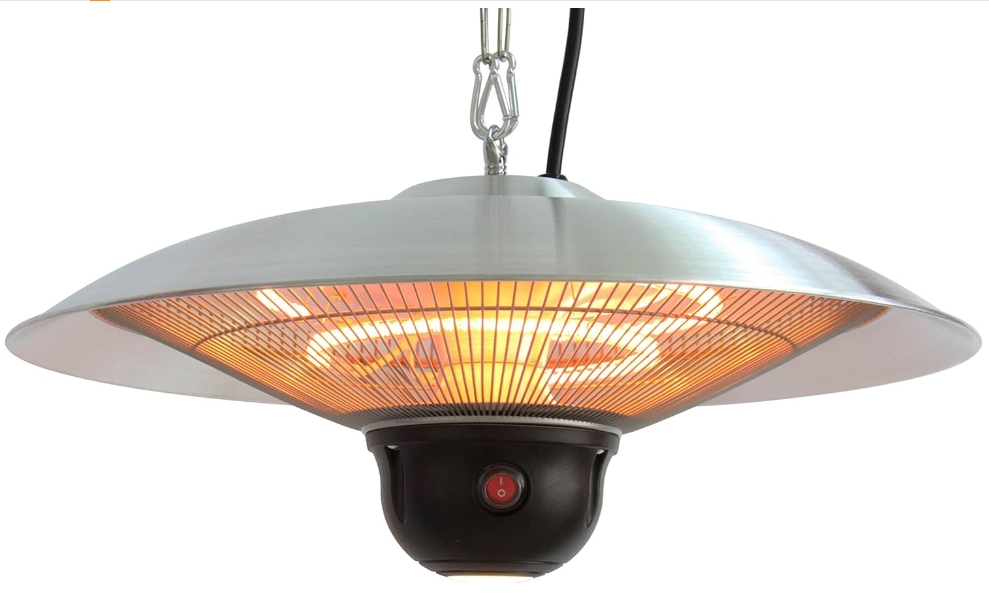
Why IP55 Actually Matters for Your Outdoor Heaters
Let’s be honest: putting a heater outside is basically inviting nature to try and break it. Between the humidity, the random drizzle, and the morning dew, moisture is always looking for a way in. If it gets into the wiring, you aren’t just looking at a bit of rust—you’re looking at short circuits and burnt-out filaments. It’s a headache nobody wants when they’re just trying to enjoy a drink on the patio. That’s why we build our units with an IP55 rating.
What does “IP55” actually mean?
Forget the technical manuals for a second. Here is the plain English version. The first “5” means dust can’t get inside to mess with the heating element. The second “5” means the unit can handle water jets hitting it from any angle without blinking. We don’t just slap a label on it. We use heavy-duty gaskets and sealed cable entries to keep the “guts” of the heater dry. A lot of the cheap stuff you see online fails because water seeps into the terminal block and eats away at the metal. Our seals stop that from happening. Even in a heavy mist, the internal wiring stays bone dry.
The hidden danger: Fog and Thermal Shock
There’s something called condensation, and it’s a silent killer for infrared lamps. Imagine a damp night. The heater cools down, and a thin layer of moisture settles on the quartz tube. Then, you flip the switch. That tube goes from cold to scorching hot in seconds. That sudden jump—the thermal shock—can actually crack the glass. To fix this, we added splash-guards and housings that wick moisture away. By managing how the air flows around the element, we keep the fogging down. It keeps the heat steady and, more importantly, keeps the glass intact.
The trade-off
Now, there is one thing to keep in mind. When you seal something this tight to keep water out, the heat has fewer places to escape the chassis. This means the internal housing gets hotter than it would in a cheap, open-frame heater. Just make sure whatever surface you’re mounting it to can handle that heat soak. You don’t want to warp your mounting bracket because you didn’t leave a little breathing room. It’s a small detail, but it’s worth it. An IP55 heater lasts for years because the electronics aren’t fighting a losing battle against the weather.