
Why we put our bathroom lamps through hell before they hit your door
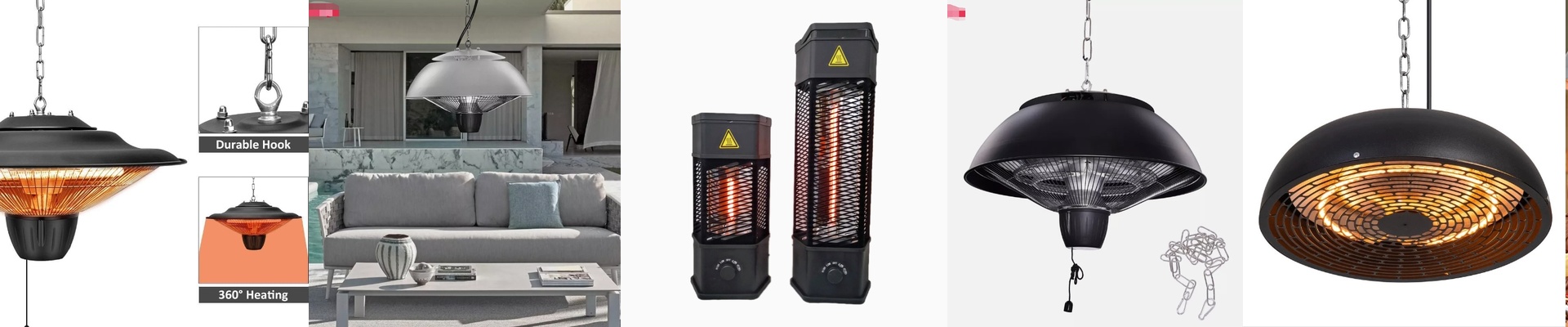
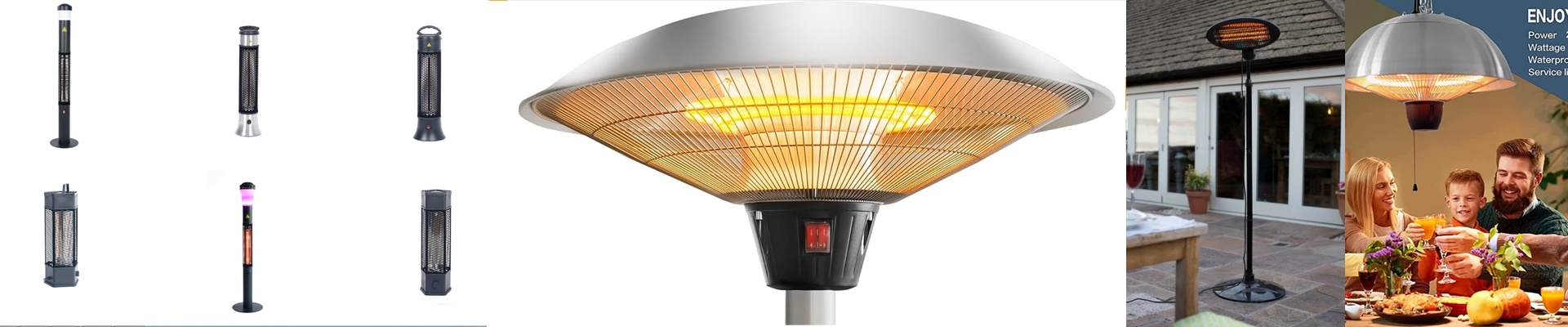
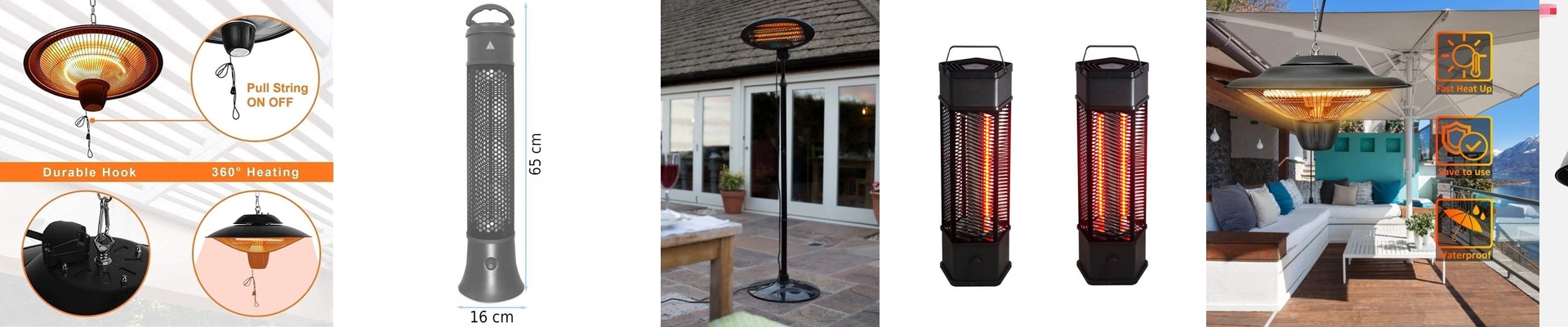
Let’s be honest: bathrooms are a nightmare for electronics. You’ve got steam everywhere, wild temperature swings, and water vapor that finds its way into every tiny crack. If a heating lamp isn’t built for that kind of chaos, it’s going to fail. The seals leak, the quartz cracks, or the contacts just rust away. We don’t like to guess how long a lamp will last. Instead, we try to break them on purpose using damp-heat aging tests.
The battle against the steam
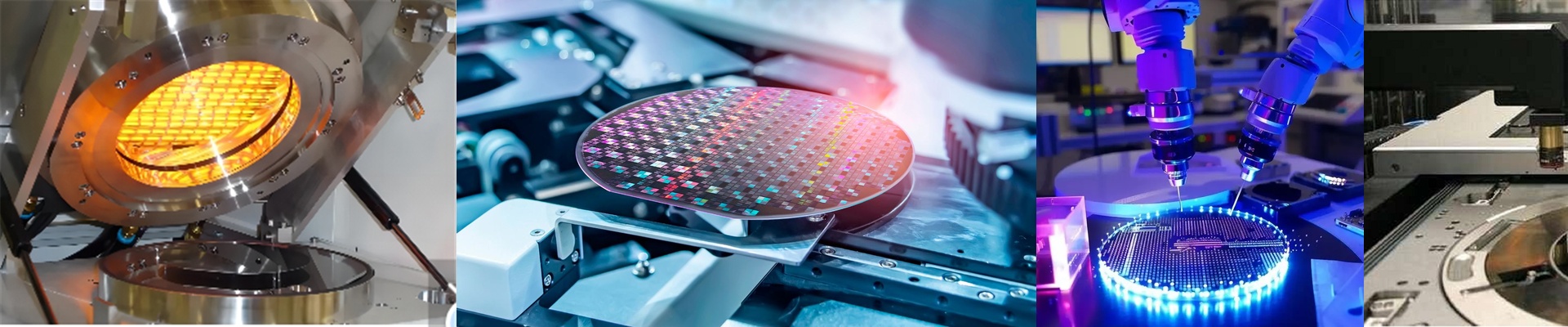
Think about what happens when you flip the switch on a bathroom ceiling lamp. The glass and metal expand and contract fast. While that’s happening, moisture is trying to sneak into the seal where the quartz tube meets the wires. If water gets in there? It’s game over. You get oxidation, a sudden drop in voltage, and then—pop—the lamp is dead. To stop this, we throw our lamps into chambers that mimic the worst possible bathroom conditions. We crank up the humidity and cycle the heat over and over. It’s brutal. But we’d rather a seal fail in our lab than in your customer’s ceiling.
No flickers, no surprises
We spend a lot of time obsessing over the spot where the electrical connection meets the quartz. If that seal isn’t perfectly airtight, the halogen gas leaks out and the filament burns out in a matter of hours. During our tests, we’re looking for “clouding” on the glass or any sign of corrosion on the pins. We push them to the absolute limit. The result? A lamp that actually works. You don’t have to deal with flickering lights or a total burnout three months into winter.
The catch
Here is the thing: doing this takes time. It’s expensive, and it slows down our shipping because a batch has to sit in a humidity chamber for hundreds of hours before it can leave. But it’s the only way to be sure. You’re paying for a seal that actually holds, so the lamp doesn’t quit the second someone turns on the shower.