


Why We Use Gold-Coated Housings for Wafer Heating
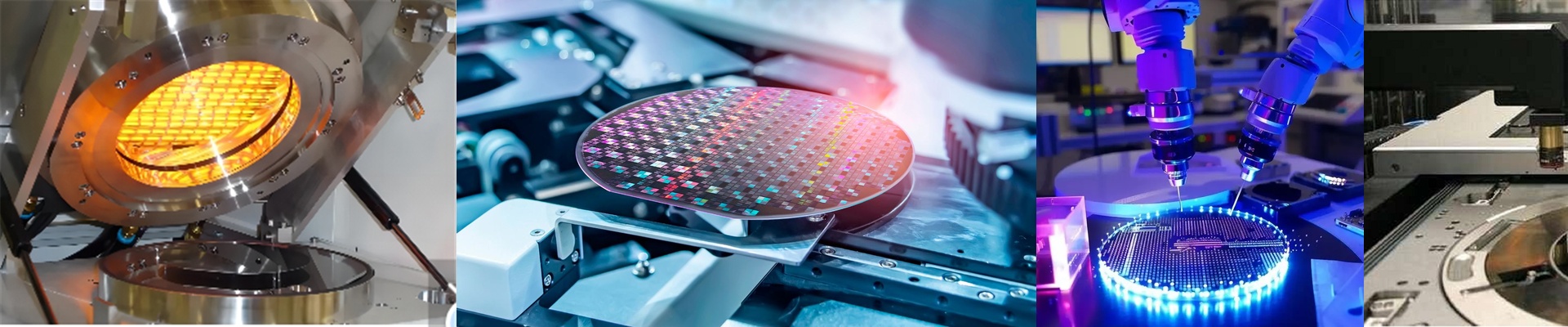
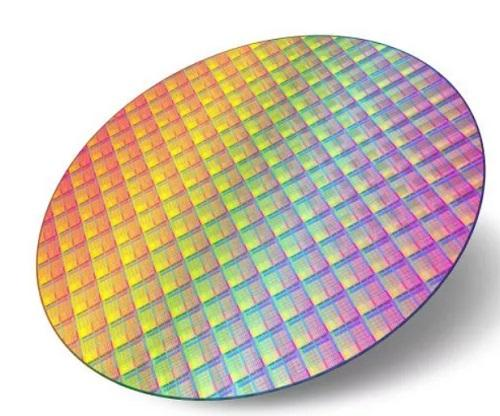
When you’re heating silicon wafers, every single watt matters. Most people stick with standard polished stainless steel housings, but there’s a problem: they soak up and scatter way too much energy. It’s wasteful. We use gold-coated reflectors instead to stop that leak and shove the infrared radiation exactly where it needs to go—right onto the wafer surface. The deal with gold reflectivity We aren’t using gold because it looks fancy. It’s about the physics. Gold has a much lower emissivity than aluminum or steel, which is a fancy way of saying it bounces back a huge chunk of the infrared spectrum. Think about it: your lamp throws radiation in every direction. Without a high-end reflector, half that energy just hits the walls and turns into useless waste heat. Gold changes that. It redirects the energy, giving you a tighter focus and much higher heat density on your target. Building the housing We start with stainless steel. It’s tough, handles the structural load, and won’t warp when things get hot. Then, we apply that gold layer to a precise parabolic or elliptical curve. That geometry is key—it’s what makes sure the focal point hits the center of the wafer. But you have to be obsessive about tolerances. If your lamp is even slightly off-center, you’ll get hot spots. And hot spots mean uneven heating, which usually means you’ve just ruined a whole batch of wafers. The trade-offs Here’s the catch. When you crank up the reflectivity, you increase the heat flux. That’s great for your ramp-up time—it’s fast. Really fast. But it puts a lot more stress on your cooling system. If you’re swapping out a polished steel housing for a gold one, you’ll probably need to beef up your chassis fans or water-cooling loops. Otherwise, your surrounding enclosure is going to get way too hot. We designed these to be drop-in replacements for existing semiconductor tools. Just double-check your power supply. You want to make sure it can handle the increased efficiency without tripping the over-current protection during that first initial surge.