

Why We Use Gold-Coated Reflectors for IR Drying
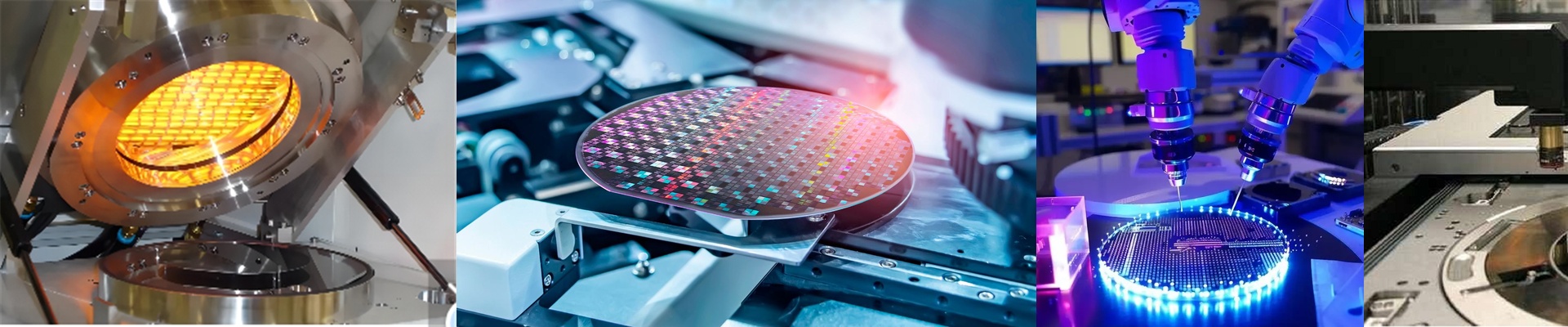
In wafer fab, wasting power is basically just throwing money away. When you’re running a digital infrared dryer, the goal isn’t just to crank up the heat. It’s about making sure that heat actually hits the wafer instead of soaking into the machine chassis. That’s where gold-coated reflectors come in. The logic is pretty simple. Most people start with aluminum reflectors, but those soak up way too much infrared energy. Gold is different. It reflects IR radiation like a mirror, bouncing the heat right back toward the target. It means you get more heat on the wafer without having to hike up the power draw. It’s efficient. Then there’s the issue of precision. You can have the fanciest digital controller in the world to dial in your wattage, but if your coating is subpar, the delivery will be messy. Gold reflectors help kill off those annoying “cold spots.” You get a nice, uniform thermal profile across the whole surface. Without that kind of focus, you’re looking at uneven drying or, even worse, thermal warping. Now, it’s not all magic. Gold is great, but it’s a bit high-maintenance. It hates contamination. If you’ve got organic outgassing or chemical residue floating around your vacuum chamber, that gold layer will start to degrade. You have to be obsessive about your cleaning protocols to keep that reflectivity sharp. One last thing to keep in mind: when you pair these reflectors with a precise controller, your ramp-up time drops significantly. You’re using less energy per cycle, which is a win. But watch your cooling fans. Since you’re focusing so much high-density radiation, the surrounding housing can get scorching. If you aren’t moving the air properly, you’ll end up baking your sensors.