
Cutting Carbon in the Fab: Why Ozone-Free IR Just Makes Sense
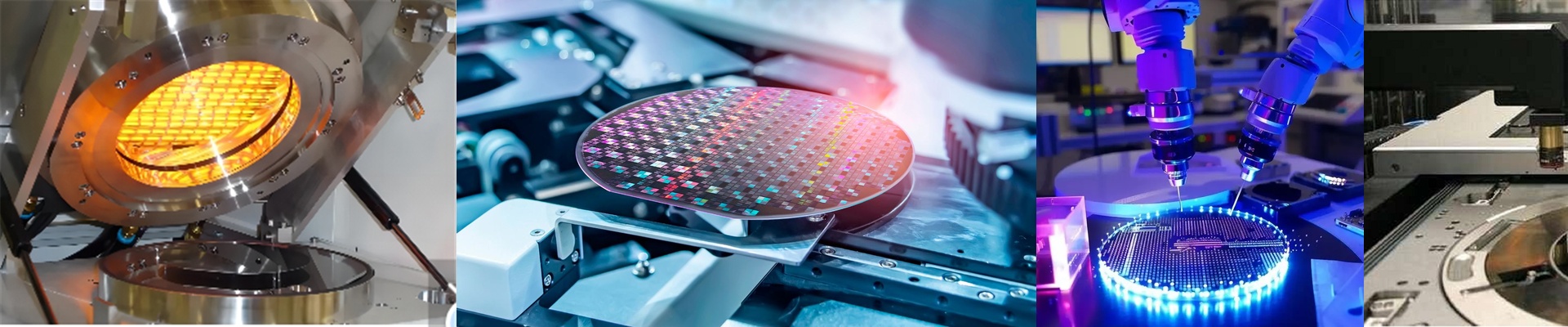
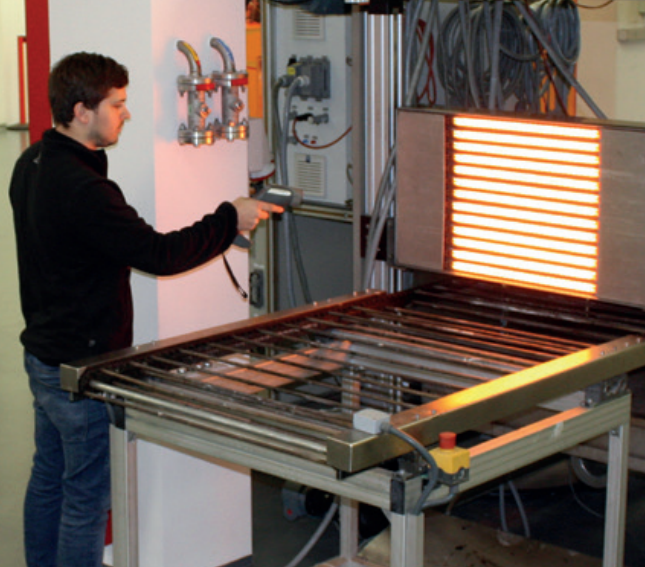
If you’re trying to hit carbon neutrality in a semiconductor fab, you have to look at the things that waste energy behind the scenes. One of the biggest culprits? The way we heat things. Most shortwave infrared lamps have a annoying habit of emitting wavelengths below 200nm. This basically turns the oxygen in your air into ozone. In a cleanroom, ozone is a nightmare. It’s a contaminant. So, you end up burning a ton of extra power on HVAC and scrubbing systems just to clean up the mess the lamps made in the first place. It’s a loop of wasted energy. We figured out a better way. The trick is in the filter. We use specialized quartz envelopes and internal coatings to block out that vacuum-ultraviolet (VUV) spectrum. By stopping those specific wavelengths, the lamp gives you all the heat you need without creating the ozone. It’s a simple shift, but the ripple effect is huge. Your air filtration systems don’t have to work nearly as hard. When your exhaust system stops pulling massive amounts of power, your factory’s carbon footprint actually shrinks. Fast heat, no penalties. You don’t have to sacrifice speed here. These lamps still hit that high heat flux you need for rapid ramp-ups, which is a must for wafer baking and curing. Plus, they’re designed to be drop-in replacements, so you don’t have to rebuild your existing curing ovens. One heads-up, though: keep an eye on your power density. These high-wattage tubes concentrate heat fast. If your chassis isn’t built to handle the rise in ambient temperature, you might actually warp your fixtures. Just double-check that your cooling fans are rated for the specific wattage of the array before you flip the switch. Making “Green” actually practical. When you move to ozone-free tech, you can stop obsessing over aggressive O3 monitoring and specialized ventilation. It cleans up the physical footprint of your heating station and makes the whole operation feel leaner. Getting “Green Factory” certification usually feels like a mountain of paperwork and tiny tweaks. But this is different. This is about stopping the waste at the source instead of spending energy to fix a problem you didn’t need to create.