

Why a Burst Lamp is a Nightmare (and How We Stop It)
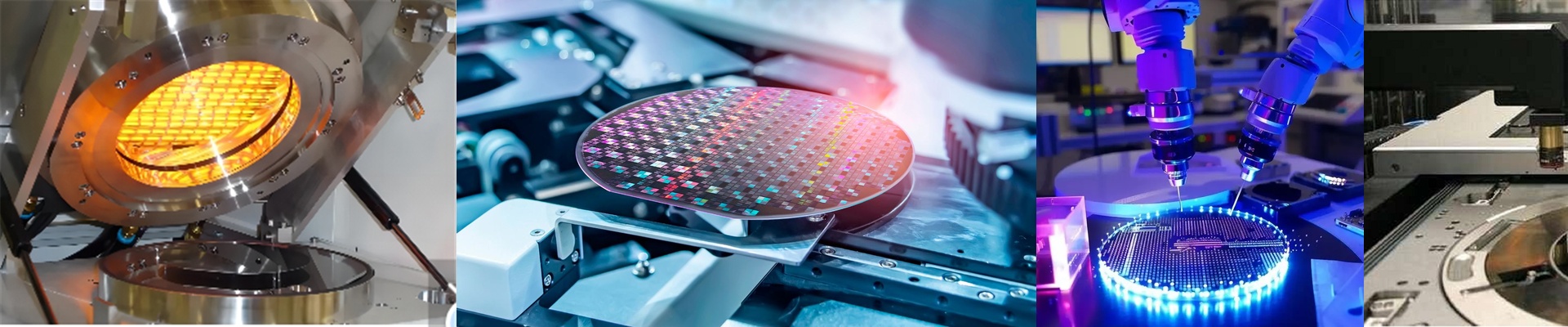
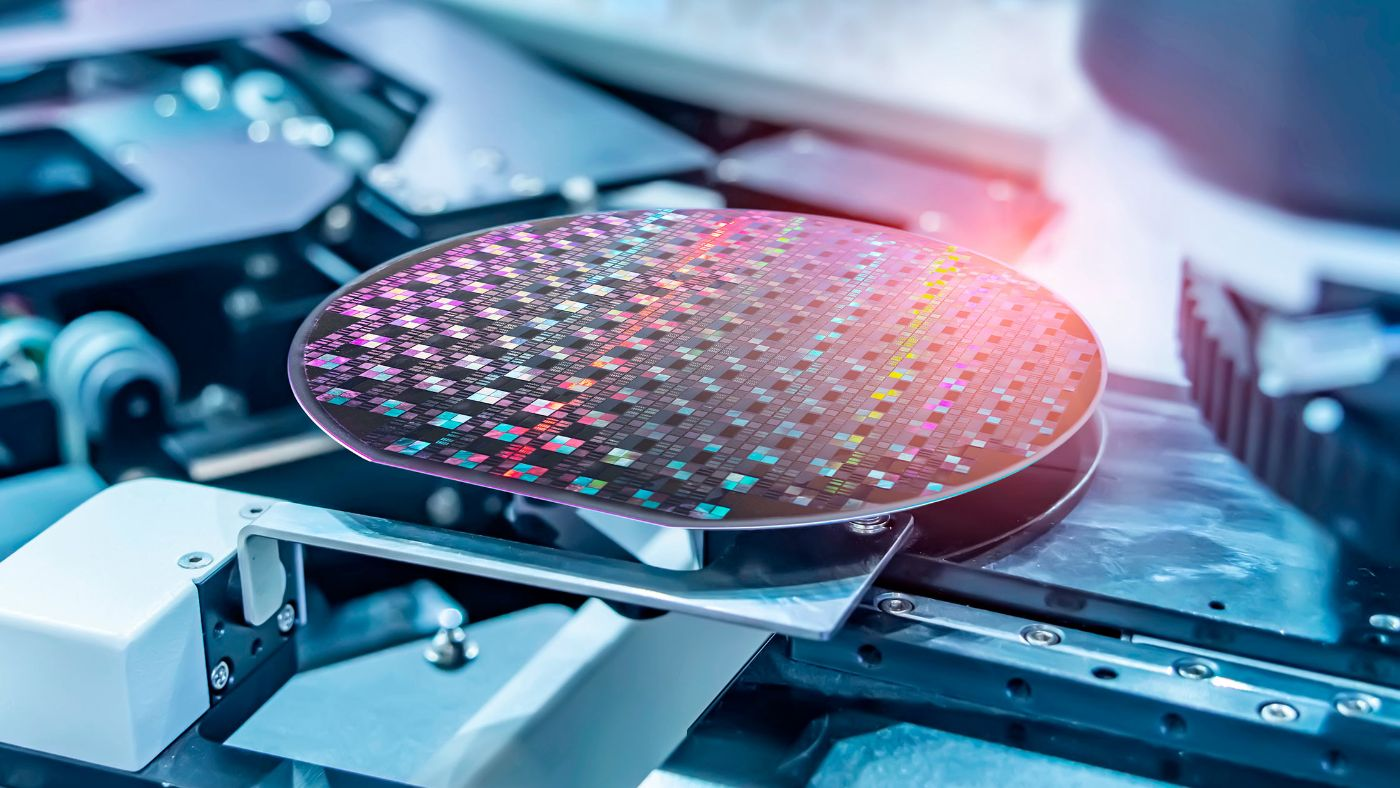
If you’ve ever worked in a high-load fab, you know the stress. You’re pushing your equipment to the limit, and everything is humming along—until it isn’t. When an infrared lamp tube pops, it’s not just a “down-time” issue. It’s a disaster. You’ve got quartz shards and metallic bits raining down on your wafers. One burst tube can trash an entire batch in a heartbeat. It’s messy, it’s expensive, and it’s a headache nobody wants. That’s why we build our heaters to break the chain of failure. Stopping the “Pop” Before it Happens Most of these failures happen because of thermal shock or those annoying little hotspots. To fix this, we don’t just use any quartz; we use high-purity fused quartz with a wall thickness that actually makes sense—strong enough to hold up, but thin enough to let the heat through. But the real secret is in how we wind the filament. Instead of a standard wrap, we use a graded winding. It spreads the thermal load evenly across the tube. No more extreme stress points, which means way fewer cracks. Keeping the Mess Contained Look, in a perfect world, lamps never break. In the real world, things happen. If a tube does go, we make sure the debris stays put. We use shatter-resistant coatings and protective sleeves that act like a shield. We’ve picked materials that can handle the heat without getting cloudy or falling apart over time. Plus, we use precision-fit end caps so you don’t have to worry about gas or particles leaking into your heating chamber. The Trade-off I’ll be honest with you: these safety layers come with a small price. Adding a sleeve or a coating means the IR light has to travel through one more layer before it hits the wafer. You’ll notice a slight dip in heating speed compared to a bare tube. It’s not much, but you’ll probably need to tweak your ramp-up timers to make up for that loss in raw intensity. It’s a fair trade. We build these for 24/7 cycles because we’d rather you spend a few extra seconds on a timer than a few days cleaning up a shattered fab. Keep your wafers clean, keep your uptime steady, and sleep a little better at night.