
Stop a Burst Lamp from Killing Your Yield
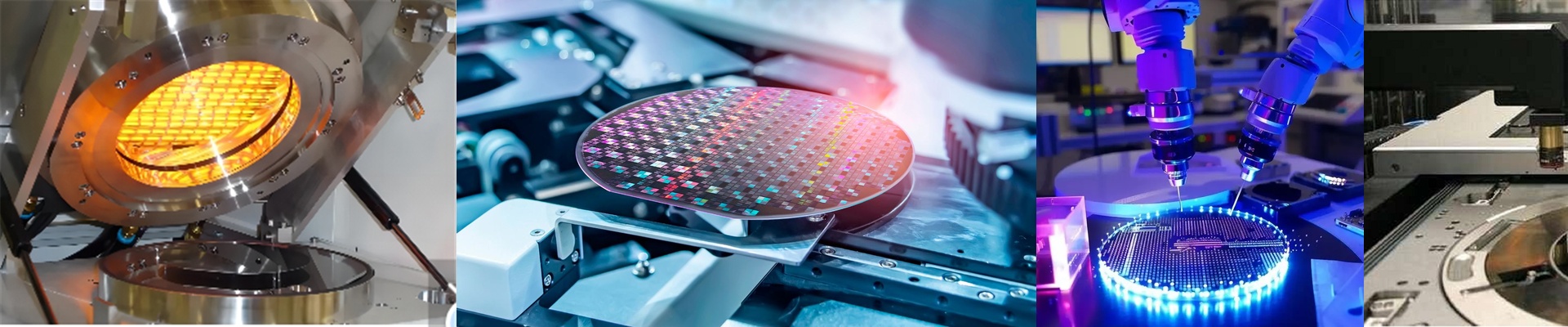
If you’ve ever been in a high-load semiconductor plant, you know the feeling. A quartz tube bursts. It’s a total nightmare. It’s not just about losing the heat. It’s the mess. You’ve got glass shards and chemical gunk raining down on your wafers. One pop and your yield just tanked. That’s why we don’t treat our reflectors as just “mirrors.” We build them to be the first line of defense. Keeping the mess inside Most people think a reflector is just there to bounce IR waves back onto the wafer. Sure, it does that. But we also treat the housing like a shield. We spend a lot of time obsessing over the gap between the quartz envelope and the reflector wall. Why? Because if a tube cracks, we want that debris trapped inside the assembly. It stays in the housing, not on your substrate. Dealing with the heat High-wattage curing is brutal. It’s intense. To handle it, we use high-purity gold or aluminum coatings. This keeps the IR waves moving where they belong and stops the housing from soaking up too much heat. Here’s the catch: if the reflector gets too hot, it puts a massive amount of stress on the lamp ends. That leads to seal failures. We balance the reflectivity with smart heat dissipation paths to keep the tube temperature steady. It just lasts longer. The airflow struggle Now, you need air to keep things cool. But you can’t just leave the whole thing wide open, or you’re back to square one with contamination risks. We solved this with a baffled design. It lets the cooling air flow through, but it still acts as a physical wall between the lamp and your wafer. Just a heads-up: you’ll want to dial in your exhaust fans. If the air goes stagnant, the housing traps heat and your lamps will burn out way faster than they should. We build these things to take a beating in 24/7 production. By baking the safety shield right into the reflector, a single lamp failure becomes a minor hiccup instead of a reason to shut down the entire line.