
Cutting Carbon in the Fab: Why UHP Infrared Lamps Actually Work
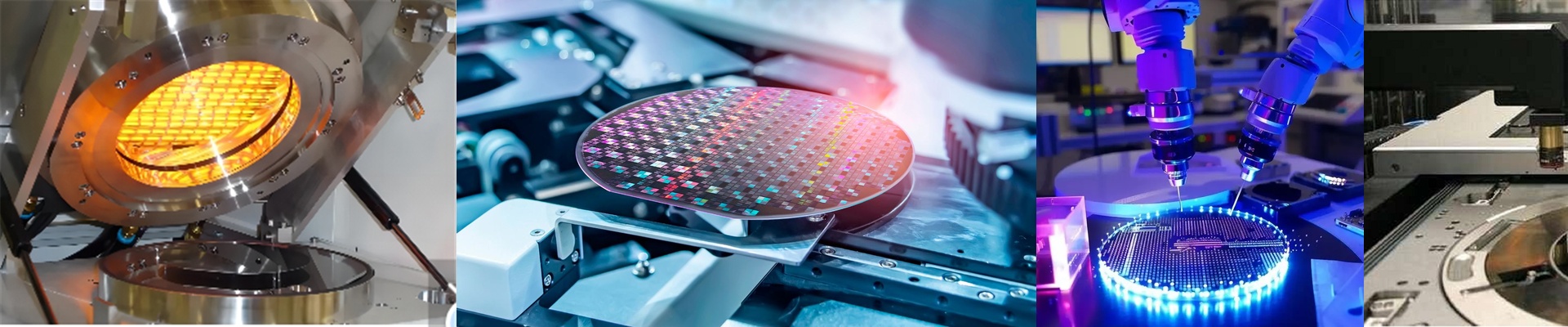
Let’s be honest: hitting those carbon-neutral targets in a semi-fab is a nightmare. Most of the struggle happens during heating. If you’re still using traditional resistive furnaces, you’re basically paying to heat the entire room just to warm up a tiny wafer. It’s a massive waste of energy. That’s where our Ultra High Purity (UHP) infrared lamps come in. Instead of heating everything in sight, these lamps point the heat exactly where it needs to go—the wafer. You stop fighting the hardware and start focusing on the product.
The Nitty-Gritty of UHP Heat
When we talk about “Ultra High Purity,” we aren’t just using a fancy buzzword. We use synthetic quartz because it keeps metallic ions from leaching into your process. In the semiconductor world, a single stray ion can ruin everything. It’s just not an option. We lean on short-wave infrared radiation. Why? Because it punches through the substrate way faster than long-wave options. You hit your ramp-up temperatures in seconds. Not minutes. Seconds. Now, there is a catch. To get that kind of heat in a small footprint, you’re pushing a lot of power through a thin quartz envelope. That puts a ton of stress on the ends of the lamp. If your cooling air isn’t dialed in perfectly, you’re going to burn through filaments way too fast. It’s a delicate balance.
Making it Work in Your Shop
We didn’t want you to have to rip out your entire infrastructure just to upgrade. These lamps are designed to be drop-in replacements. They use standard connectors, so you aren’t spending your weekend rewiring the whole rack. The real win here is how it changes your energy bill. Moving from convection to targeted IR kills that “idle” energy drain. Going green isn’t just about where your electricity comes from; it’s about not wasting the watts you already have. With IR lamps, you can heat specific zones of the wafer without cranking the whole furnace to max. It cuts down the total kWh per wafer, which is the fastest way to shrink your carbon footprint on the front end.