
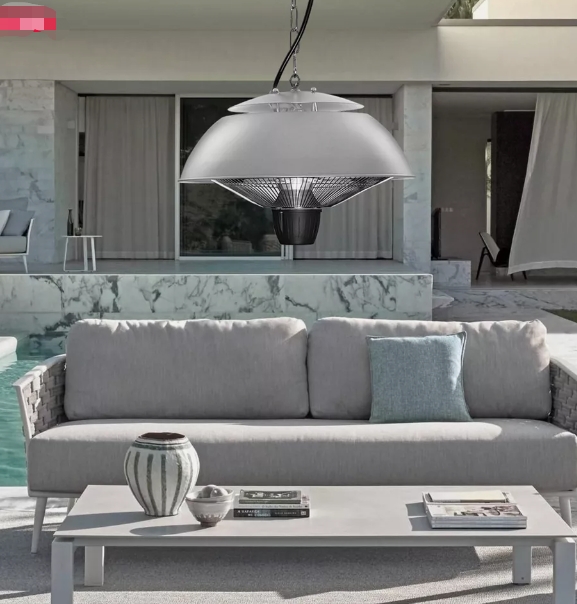
Why Ceiling Infrared Heaters Actually Work
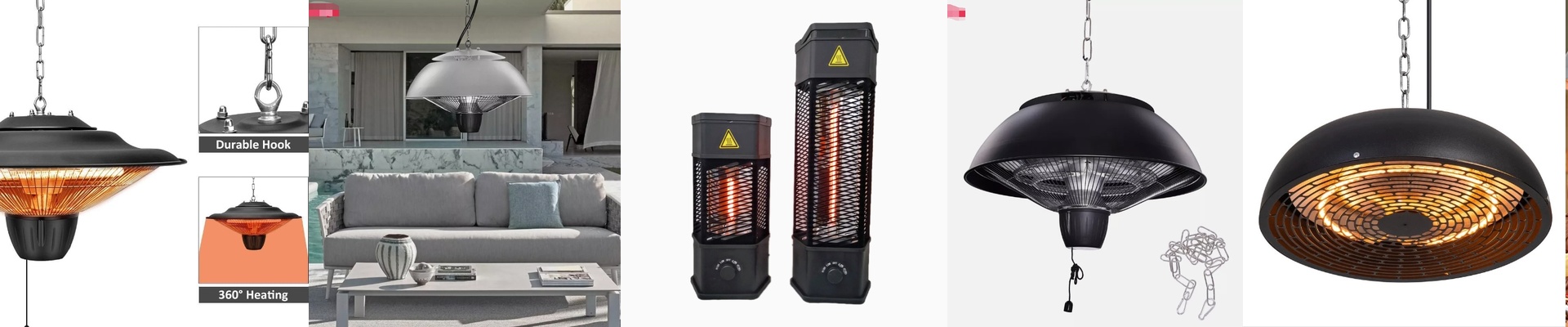
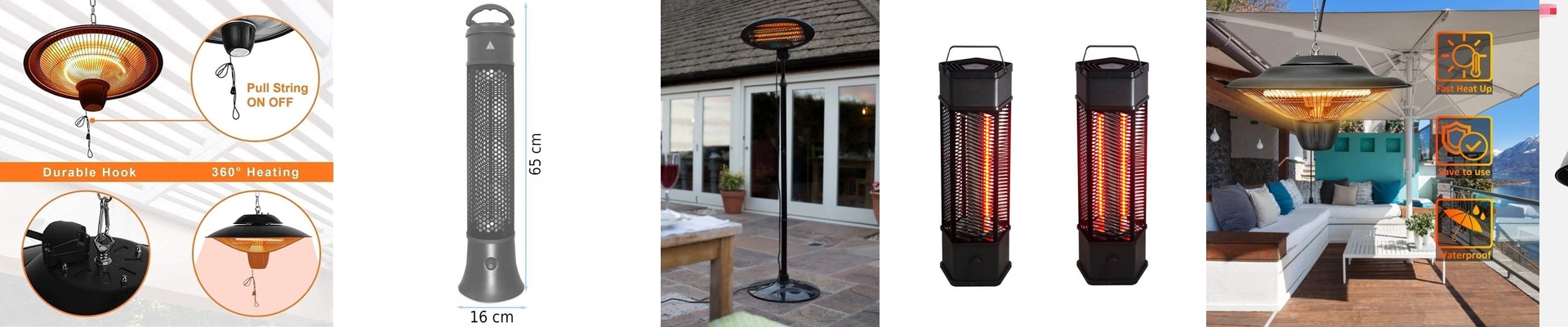
Ever stepped out of a shower into a locker room and felt that immediate, bone-chilling cold? It’s the worst. Standard heaters usually try to warm up the air. But in a room with high ceilings, that’s a losing battle. All that expensive heat just floats up to the ceiling while you’re still shivering on the floor. That’s why we use short-wave infrared. Instead of fighting the air, these heaters go straight for the target. It’s basically like stepping into sunlight. You don’t have to wait for the room to “warm up.” The second you step under the heater, you feel it. The energy travels at the speed of light and turns into heat the moment it hits your skin or a locker. It’s instant. But you can’t just slap these on the ceiling and call it a day. You have to get the height right. If you hang a powerful unit too low, you’re going to cook people. Too high, and the warmth just fades away before it reaches the floor. It’s a balancing act. We spend a lot of time figuring out the exact spot so the “cone” of heat covers the area perfectly without creating any scary hotspots. One thing to keep in mind: these heaters need a clear shot. If you put a shelf or a partition in the way, the heat stops right there. It doesn’t bend around corners or drift through walls. It’s a straight line. And a quick heads-up on the electrics—these things pull a lot of power. You’ll want dedicated circuits. Nobody wants the breakers to trip right during the morning rush when everyone is trying to get warm. When you get the setup right, you kill that “chill factor” instantly. You aren’t wasting money heating a giant empty volume of air; you’re just keeping the people warm. Simple as that.