
Keeping Your Fab Tools from Turning Into Ovens
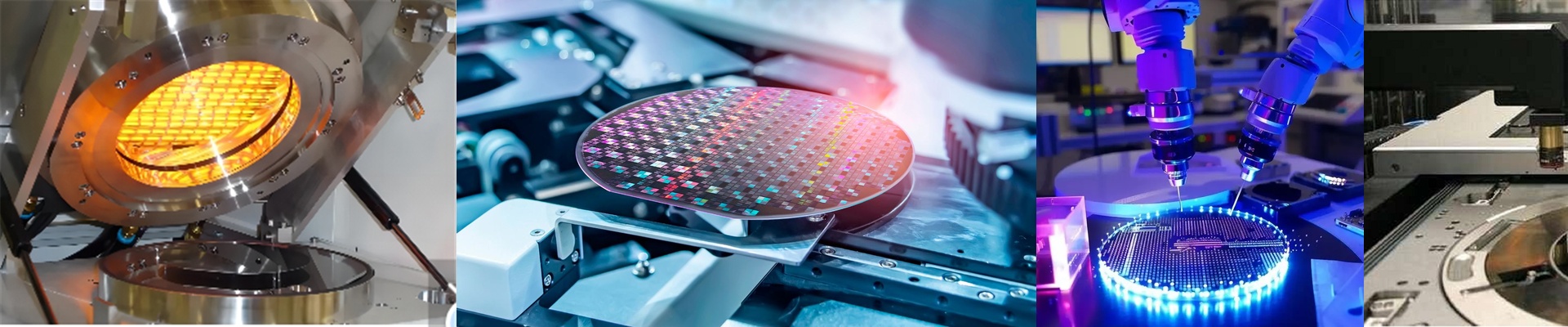
High-power IR lamps are great for getting the heat density you need in semiconductor processing. But they’ve got a nasty habit: they throw heat everywhere. If you don’t have a way to point that energy in the right direction, the inner walls of your equipment just soak it all up. Before you know it, the chassis is hot enough to burn an operator, and your sensitive components start drifting. It’s a mess. The trick is using quartz glass shields. Think about it—a standard IR lamp radiates in every direction. By sliding in a precision quartz shield, you’re basically building a wall. We use quartz because it can handle the heat without flinching. You can put it inches away from a halogen element and it won’t crack. The shield does the heavy lifting by blocking those IR waves from hitting the machine frame and forcing them toward the wafer instead. You get a focused heat zone exactly where you want it, while the outside of the machine stays cool to the touch. Now, don’t cut corners on the materials. We stick with high-purity fused quartz. Why? Because it doesn’t warp when you’re ramping the temperature up and down. If you try to save a few bucks with cheaper glass, it’ll probably shatter the second you hit full power. And a quick tip on the install:watch your air gap. If you mount the shield too tight, you’ll trap too much heat and burn out the lamp ends. But if you leave it too loose, you lose that directional punch. It’s all about finding that sweet spot. What this actually means for your day-to-day. Once these shields are in, that “oven effect” inside your tool disappears. Your cooling fans can finally stop screaming, and your facility’s chilled water system doesn’t have to work nearly as hard. Just a heads-up: quartz is fragile. One clumsy move during a lamp change and you’re ordering a replacement. Also, always wear gloves. Skin oils can create hot spots on the glass, and that’s a fast track to premature failure.