Getting the Heat Right for Bio-Sensors
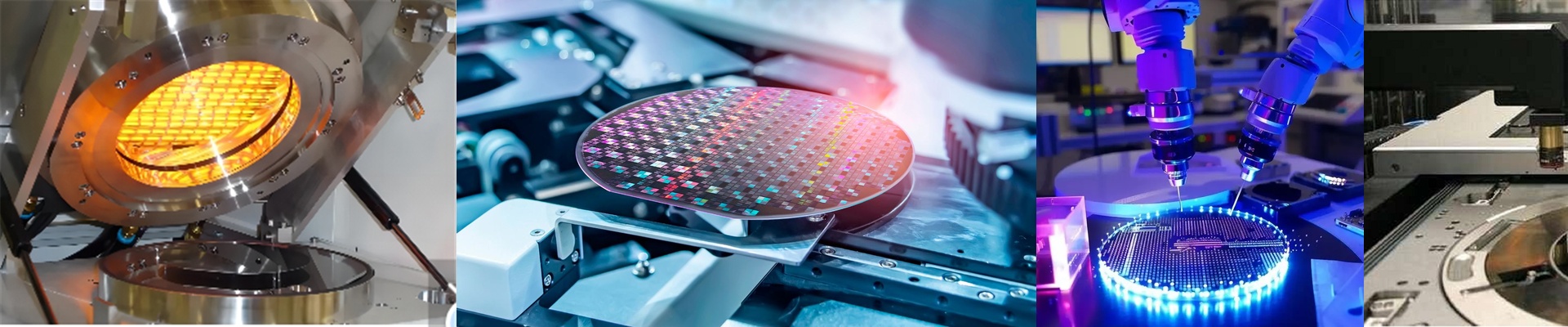
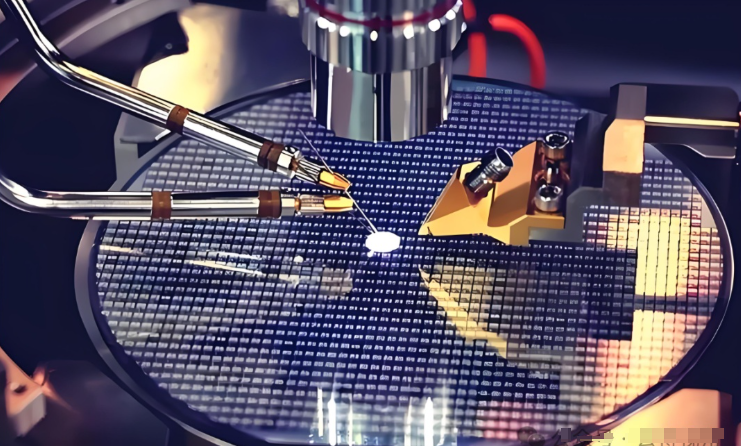
If you’ve ever worked with bio-sensor fabrication, you know the stress. One tiny temperature spike and you’ve just ruined a delicate substrate. It’s a nightmare. When you’re setting up a modern, data-driven fab, you can’t just “hope” the heat is right—you need a system that actually talks to your data loop. That’s why most of us lean on infrared (IR) lamps. They just work. They send energy straight to the target without needing to heat up the air around it first. Speed and Space We use short-wave IR lamps because they’re fast. Like, “hit your target temp in seconds” fast. This is a lifesaver when you’re trying to sync your heating cycle with a moving conveyor belt. Now, if you go for high-wattage density, you can keep your equipment footprint small, which is great for crowded floors. But there’s a catch. All that heat puts a real strain on your chassis. If your cooling fans aren’t up to the task, your ambient temperature will creep up and your sensors will start drifting. Keep an eye on that. The Nitty-Gritty Stuff To keep things stable and avoid those annoying “cold spots” on a wafer, we stick with quartz envelopes and halogen-filled tubes. It keeps the spectrum consistent. On the electrical side, we keep it simple. Using standard connectors like R7s or SK15 means when a lamp finally gives out, you just pop a new one in and keep moving. No one wants a production line sitting idle for hours. And if you want to get fancy with your data, just pair these lamps with PID controllers and IoT gateways. Suddenly, you can track exactly how much power you’re drawing and see how that actually affects your final yield. It takes the guesswork out of the equation. The Reality Check IR systems beat convection ovens on warm-up time every single day. They’re easier to wire and a breeze to automate. But they aren’t perfect. You have to deal with “line-of-sight.” If your sensor has deep recesses or weird angles, the IR radiation simply won’t reach those spots. You’ll spend some time tinkering with the lamp angles or adding reflectors to fill those gaps. It takes a bit of patience to dial it in, but once you do? You get the kind of repeatable thermal profiles you actually need for bio-chemical deposition.