
Stop Your Fab Equipment From Baking Itself
Most standard heating elements are kind of messy. They blast energy in every single direction. When you cram that into a tight cleanroom, you get “heat soak.” Basically, your expensive equipment starts absorbing its own wasted energy. You end up with machine casings that are way too hot to touch and cooling systems that never stop running just to fight the heater sitting right next to them. It’s a waste of power, and it’s frustrating.
Getting the heat to actually go where it’s supposed to
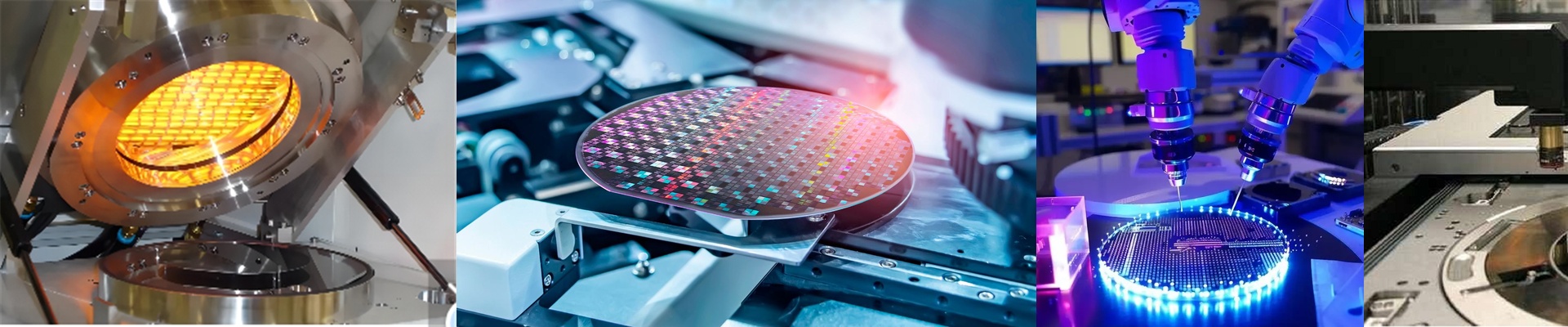
We handle this by using directional infrared (IR) lamps. Instead of just using a bare quartz tube and hoping for the best, we use reflectors and special coatings to push that thermal energy straight at the wafer or substrate. By narrowing the beam, we stop the IR waves from bouncing around and hitting the inner chassis. The heat stays where it belongs. Simple as that.
What to look for when you’re spec’ing
When you’re picking out these lamps, it’s really a balancing act between power density and how much cooling you actually have. A high-wattage shortwave lamp is great because it hits the target instantly. But, it puts a lot of pressure on your power supply. We usually stick with quartz envelopes. They can handle the high heat without off-gassing those tiny particles that ruin a cleanroom.
The real-world trade-offs
The best part? Your operators aren’t risking a burn every time they touch the outside of the tool. Plus, because the inside of the machine stays cooler, your sensors and gaskets don’t bake and crack nearly as fast. Everything just lasts longer. But here’s the catch. When you tighten that beam, the heat at the focal point becomes incredibly intense. If your lamp alignment shifts even a few millimeters, you’re looking at hot spots on your workpiece. You’ve got to make sure your mounting brackets are rock solid and won’t vibrate loose. It’s a small price to pay for the efficiency, but you can’t ignore it.