
Fixing Heaters Shouldn’t Be a Nightmare
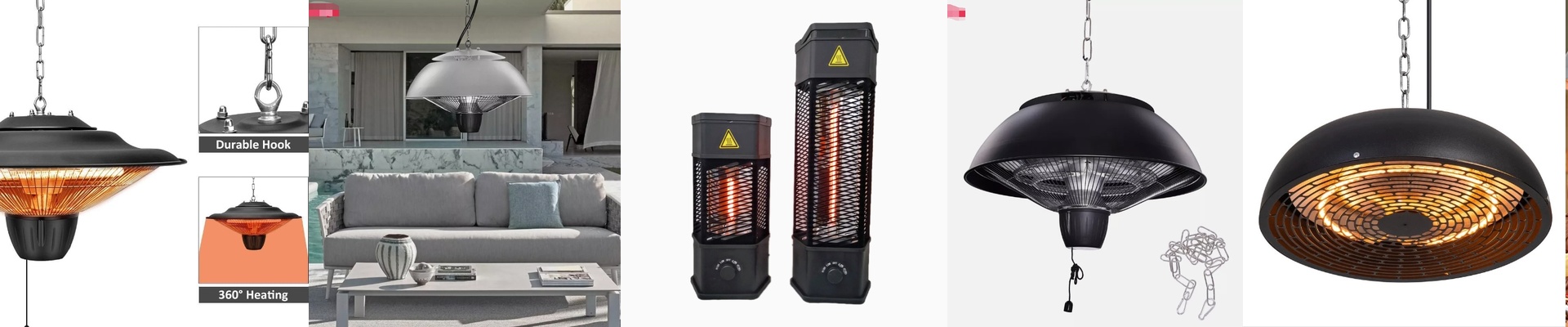
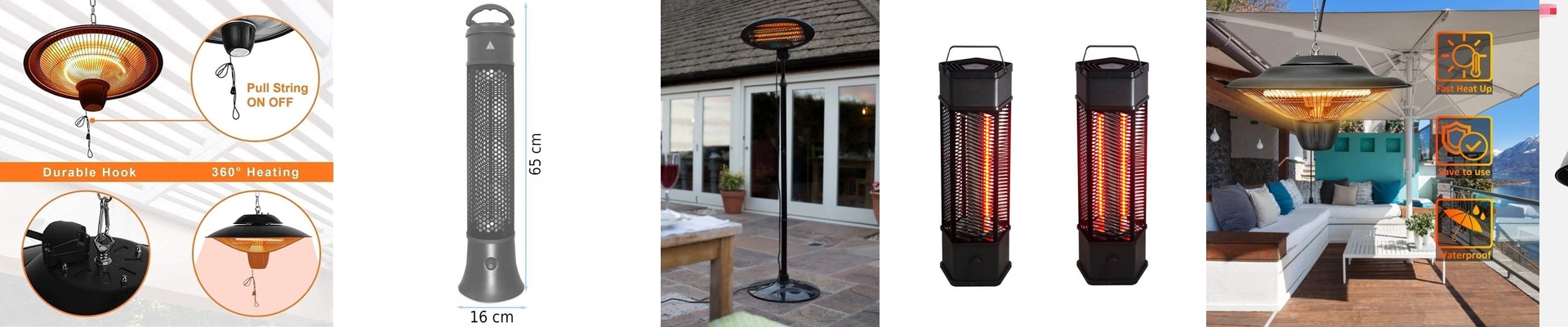
Most IP65 electric heaters are built like vaults. They’re sealed tight to keep out dust and water, which is great—until something actually breaks. Usually, when a heating element finally gives out after five years of abuse, you’re stuck. You either have to rip apart the entire housing or just throw the whole unit in the trash. It’s frustrating, wasteful, and a total pain. We decided to do things differently. We made our infrared heaters modular.
The “Plug-and-Play” Approach
Here’s the thing: we treat the heating element like a lightbulb. It’s a consumable. It’s going to wear out eventually. Instead of hard-wiring the tubes into the chassis, we built a modular system. If a tube dies, you don’t have to mess with the control panel or break the seal on the main box. You just swap the module. It turns a grueling afternoon of repairs into a five-minute job. Pull the dead one out, drop a new one in, and you’re back in business.
Keeping the Water Out
Now, making something easy to swap while keeping it waterproof is a tricky balance. If the seal isn’t perfect, you’ve got a problem. We use high-temp silicone gaskets that can handle the constant heating and cooling without cracking or perishing. But a quick heads-up: because it’s modular, the seal depends on you. You’ve got to make sure the module is locked in tight. If you rush the swap and pinch the gasket, you’ll lose that waterproof protection. Just take an extra second to make sure it’s seated right.
Real Talk for the Shop Floor
For the people actually working the line, this is a huge relief. No more soldering in a cramped, greasy cabinet while the boss asks why production is stalled. We built these for high-pressure environments where every minute of downtime costs money. By separating the heating element from the main housing, we’ve turned a “major overhaul” into a simple part swap. It’s just easier.